

Mobile Concrete Mixing Plant Solutions for Uganda’s Construction Needs

  • Home
  • Global Service

Mobile Concrete Mixing Plant Solutions for Uganda's Construction Needs

Providing cutting-edge concrete mixing technology to fuel infrastructure development in Uganda and beyond.

Mobile Concrete Mixing Plant Solutions for Uganda

Delivering high-performance concrete mixing solutions tailored to the unique challenges of the Ugandan construction industry.

Current State of Concrete Equipment in Uganda

Understanding the Landscape of Construction Material Production in Uganda

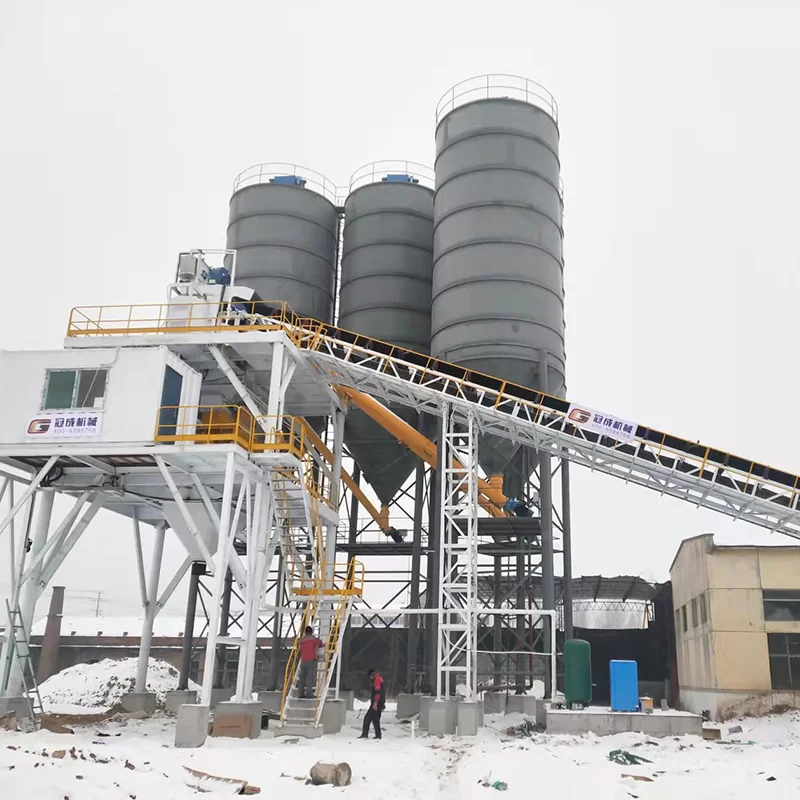
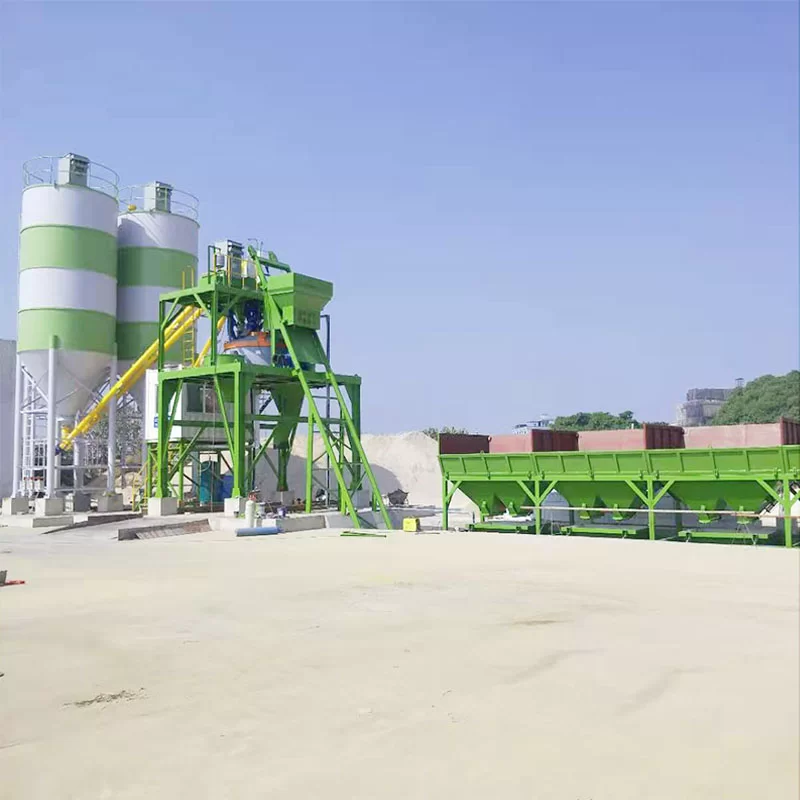
Uganda's construction sector is experiencing significant growth, driven by infrastructure projects and a rising population. This growth has increased the demand for ready-mix concrete, presenting both opportunities and challenges. Many existing concrete batching facilities rely on older technologies, leading to inefficiencies and inconsistent product quality. The availability of skilled labor to operate and maintain sophisticated equipment is also a key consideration. Concrete Batching Plant is a popular choice.

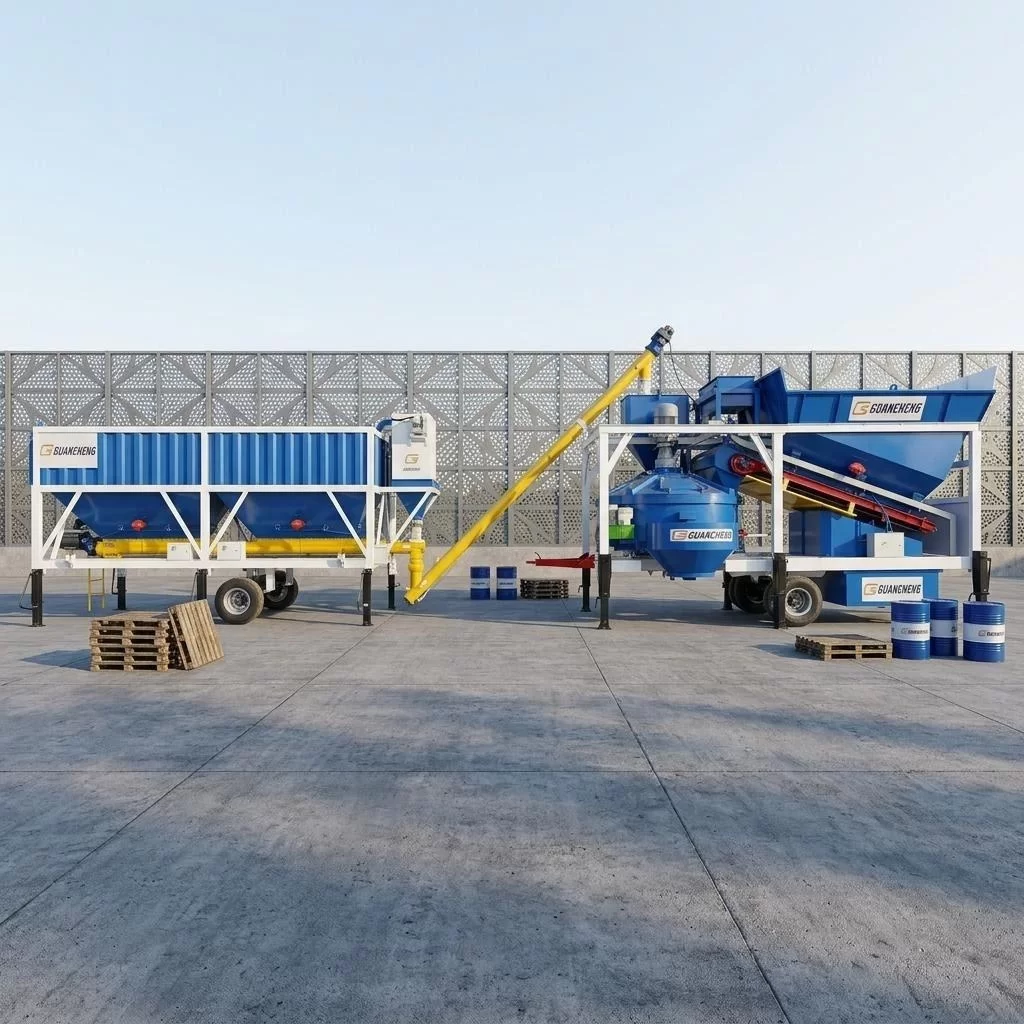
The geographical diversity of Uganda presents logistical hurdles for concrete supply. Remote construction sites often require mobile solutions to ensure timely delivery of quality concrete. The climate, with its distinct wet and dry seasons, impacts construction schedules and demands equipment that can operate reliably in varying conditions. Mobile Concrete Mixing Plant is ideal for challenging terrains.

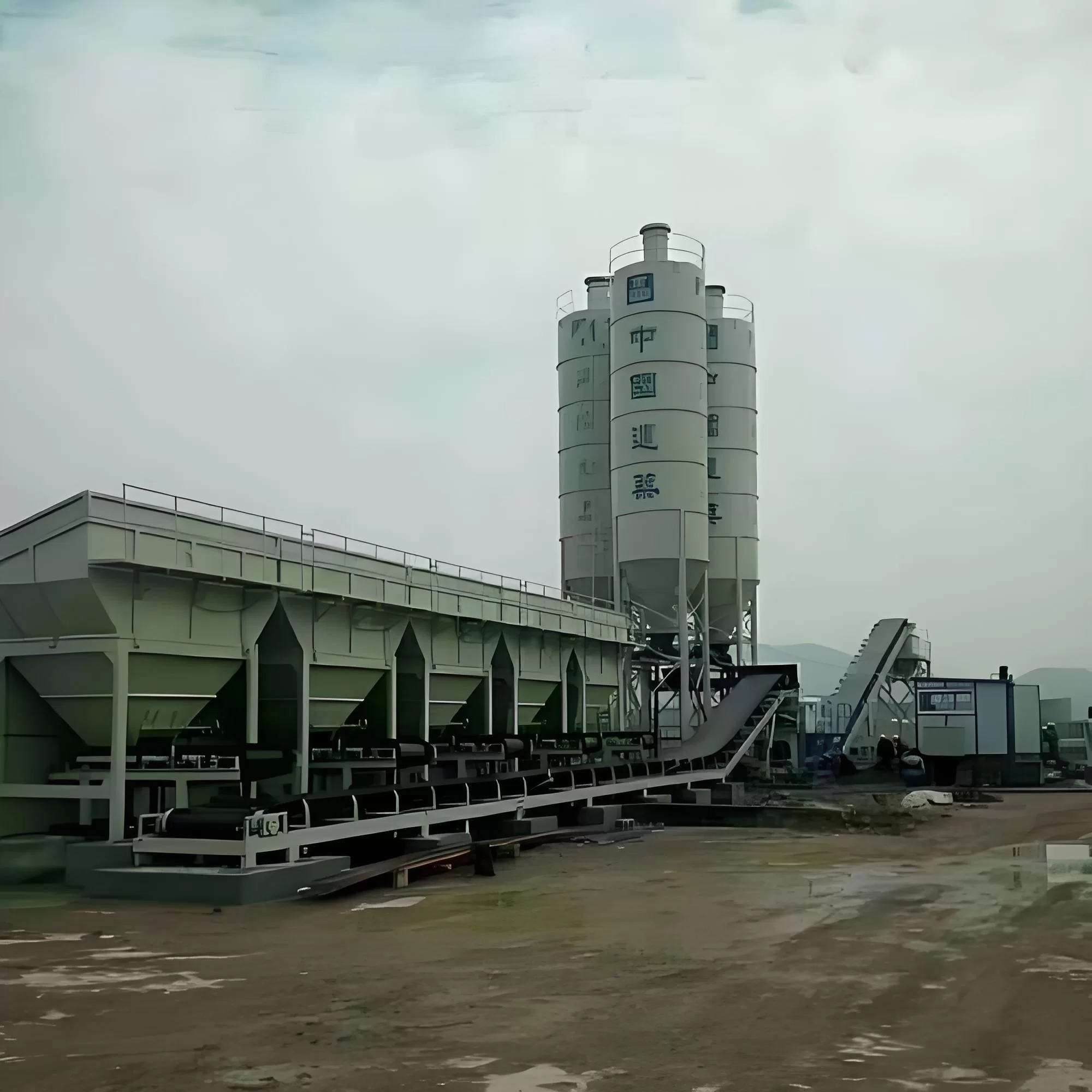
Furthermore, the cost of importing concrete equipment and spare parts can be substantial. Local manufacturing and sourcing options are becoming increasingly important to reduce costs and improve sustainability. There's a growing need for plants offering specialized mixes, like those for road construction, demanding more adaptable Stabilized Soil Batching Plant.
Evolution of Concrete Mixing Technology in Uganda

From Manual Mixing to Automated Precision

Market Development History

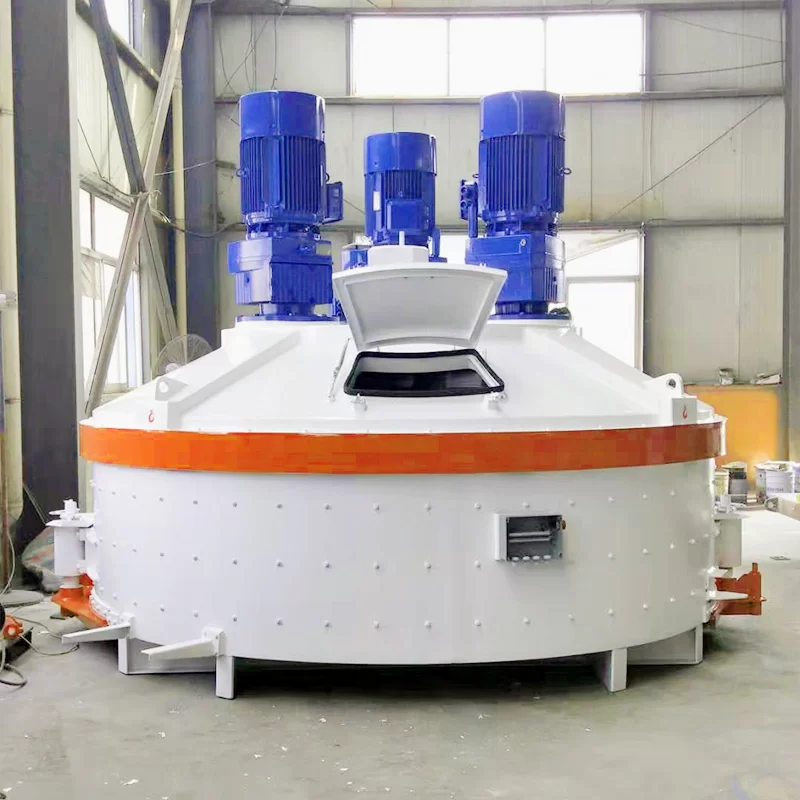
Historically, concrete mixing in Uganda relied heavily on manual labor. The 1970s and 80s saw the introduction of basic static mixers, improving efficiency but still limited in control. The 1990s brought the first wave of imported concrete batching plants, primarily used for larger infrastructure projects. These early plants often faced challenges related to maintenance and spare parts availability. Vertical Shaft Planetary Mixer has revolutionized concrete production.

The 2000s witnessed a gradual shift towards more advanced, automated batching plants. Increased foreign investment in the construction sector fueled demand for higher-quality concrete and more reliable equipment. The introduction of computerized control systems and precise weighing technologies dramatically improved batch consistency.

In recent years, there’s been a growing interest in mobile concrete mixing plants, driven by the need for flexibility and cost-effectiveness in remote locations. The adoption of dust control systems and environmentally friendly practices is also gaining momentum. Dry Mortar Batching Plant is gaining traction due to faster production.

Future Development Trends

Automation and IoT Integration

The future of concrete mixing in Uganda will be heavily influenced by automation and the Internet of Things (IoT). Remote monitoring, predictive maintenance, and automated batch adjustments will become standard features. Google Trends data indicates a rising search interest in "smart concrete plants" and "remote monitoring systems."

Sustainable Concrete Production

There's a growing emphasis on sustainable construction practices, including the use of recycled aggregates and alternative cementitious materials. Plants equipped to handle these materials will have a competitive advantage. Searches for "eco-friendly concrete" are steadily increasing.

Mobile and Modular Solutions

Demand for mobile and modular concrete batching plants will continue to rise, particularly for projects in remote areas. These plants offer the flexibility and portability needed to overcome logistical challenges. Google Trends shows consistent search volume for "portable concrete batching plant".

Industry Trends and Future Outlook for Concrete Mixing in Uganda

Predicting the Trajectory of Uganda's Concrete Production Sector

Increased Demand for Ready-Mix Concrete
Uganda's construction boom will continue to drive demand for ready-mix concrete, requiring increased production capacity and efficient logistics.
Focus on Mobile Solutions
The need for concrete supply in remote locations will drive demand for mobile batching plants, providing flexibility and reducing transportation costs.
Increased Automation and IoT Integration
Smart concrete plants with remote monitoring and automated control systems will become more prevalent, enhancing efficiency and reducing operational costs.
Growing Emphasis on Sustainability
The adoption of environmentally friendly concrete mixes and sustainable production practices will be crucial for meeting evolving industry standards.

Industry Outlook

The Ugandan concrete equipment market is poised for continued growth. Investment in infrastructure projects, coupled with a rising population, will drive demand for high-quality concrete and efficient mixing solutions. Local manufacturers and suppliers who can offer reliable equipment, competitive pricing, and excellent after-sales service will be well-positioned to succeed.

The key to success will be adapting to the evolving needs of the market, embracing technological advancements, and prioritizing sustainability. Companies that can deliver innovative solutions tailored to the unique challenges of the Ugandan construction industry will be the leaders of tomorrow.

Local Application Scenarios for Concrete Equipment

Real-World Examples of Concrete Mixing Plant Applications in Uganda

1. Road Construction Projects

Uganda is investing heavily in improving its road network. Stabilized Soil Batching Plant are essential for producing the concrete mixes required for road bases and pavements, offering durable and cost-effective solutions.

2. Housing and Commercial Development

Rapid urbanization is driving demand for housing and commercial buildings in major cities like Kampala. Mobile Concrete Mixing Plant are ideal for supplying concrete to these projects, ensuring timely delivery and consistent quality.

3. Large-Scale Infrastructure Projects

Projects such as dams, bridges, and airports require large volumes of high-strength concrete. Concrete Batching Plant with high capacity and precise control systems are crucial for meeting these demands.

4. Rural Construction and Small Projects

For smaller construction projects in rural areas, Dry Mortar Batching Plant can be used to produce pre-mixed mortar, simplifying the construction process and reducing labor costs.

Brand Story

Shandong Guancheng Machinery Technology Co., Ltd.'s Global Development Journey

Pioneering Innovation in Concrete Mixing

Founded in 2007, Shandong Guancheng Machinery Technology Co., Ltd. began as a small workshop focused on the design and manufacture of concrete mixers. Our initial mission was to provide reliable and affordable mixing solutions to the local construction market.

Expanding into Batching Plant Technology

In 2012, we expanded our product line to include complete concrete batching plants, incorporating advanced automation and control systems. This marked a significant step in our growth and allowed us to serve larger-scale construction projects.

Global Market Expansion

Starting in 2015, we began exporting our products to international markets, including Africa, Southeast Asia, and South America. We established a network of distributors to provide local support and service to our customers.

Focus on Customer-Centric Solutions

We are committed to providing customized solutions that meet the specific needs of our customers. Our team of engineers works closely with clients to design and manufacture plants that optimize performance and efficiency.

Sustainable and Reliable Equipment

We are dedicated to developing sustainable and reliable concrete equipment that minimizes environmental impact and maximizes long-term value. We believe in building lasting partnerships with our customers based on trust and integrity.

Frequently Asked Questions About Concrete Batching Plants in Uganda

Addressing Common Concerns and Queries

What is the typical lifespan of a mobile concrete mixing plant in Uganda's climate?

With proper maintenance, a high-quality mobile concrete mixing plant can last 10-15 years in Uganda’s climate. Regular cleaning, lubrication, and replacement of wear parts are crucial. Selecting a plant with corrosion-resistant materials is also essential.

What power supply options are available for concrete batching plants in remote Ugandan locations?

Diesel generators are the most common power supply option in remote locations. Some plants can also operate on alternative energy sources, such as solar power, though this may require additional investment.

How much does it cost to import a concrete batching plant into Uganda, including taxes and duties?

Import costs vary depending on the plant's size and specifications. Expect to pay around 15-20% of the plant’s value in taxes and duties, including import duty, VAT, and other levies.

What level of operator training is required to efficiently run a stabilized soil batching plant?

Operators should receive comprehensive training on plant operation, maintenance, and safety procedures. A minimum of 2-3 weeks of hands-on training is recommended. Understanding soil properties and mix designs is also crucial.

What are the common challenges associated with sourcing spare parts for concrete batching plants in Uganda?

Sourcing genuine spare parts can be challenging. It is best to work with a reputable supplier who maintains a local inventory or can quickly deliver parts. Choosing plants with standardized components can also simplify sourcing.

How can I ensure my dry mortar batching plant meets Ugandan quality standards for building materials?

Ensure your plant is certified to meet relevant Ugandan standards (e.g., UNBS). Regular quality control testing of the produced mortar is crucial. Maintaining accurate batch records and traceability is also essential.

Let's Discuss Your Concrete Mixing Needs in Uganda

Contact us today to learn how our concrete equipment solutions can help you succeed in the Ugandan construction market.

Contact Us Now

If you are interested in our products, you can choose to leave your information here, and we will be in touch with you shortly.