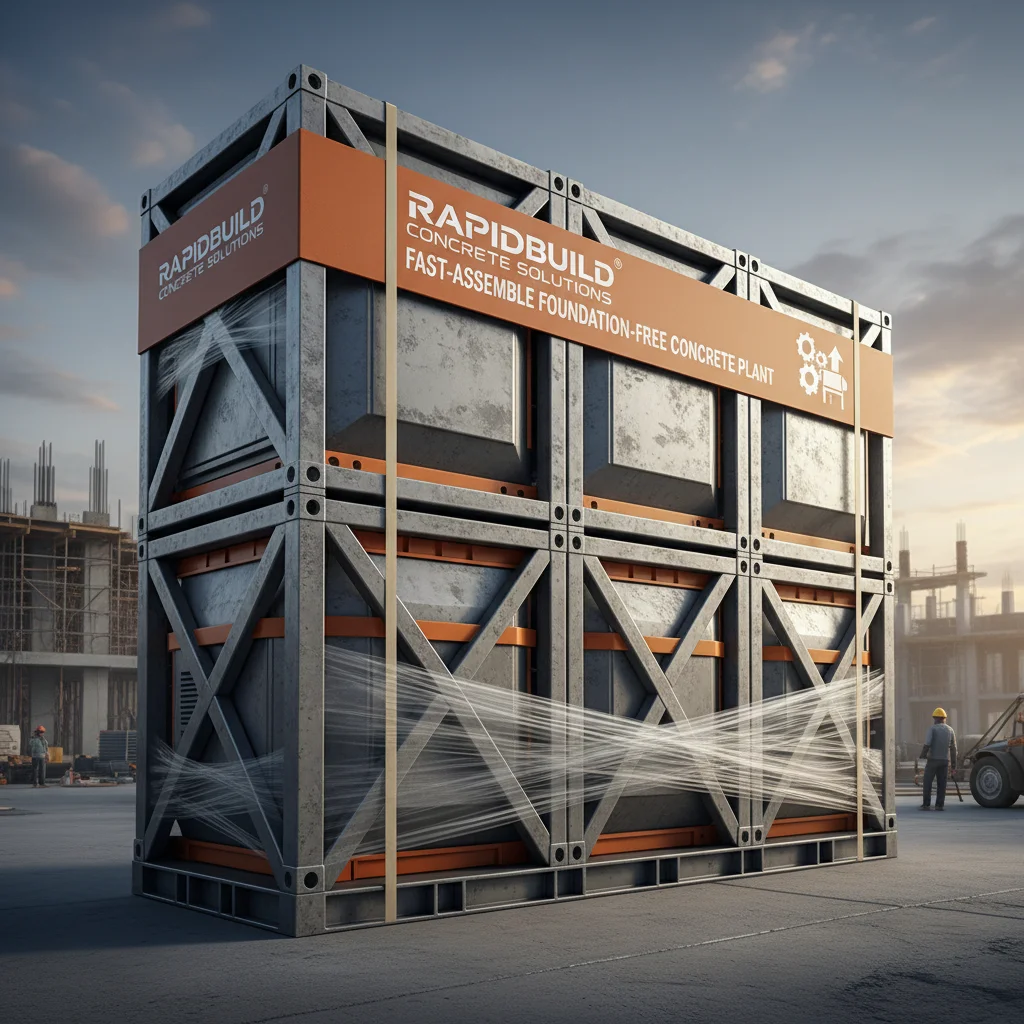
Look, I’ve spent the last fifteen years on dusty construction sites, wrestling with concrete, talking to engineers, and frankly, getting my boots dirty. And let me tell you, getting concrete where you need it, when you need it, without a ton of hassle is a constant battle. That's where a no foundation concrete batching plant comes in. It's not some fancy new tech for tech's sake; it's about solving real-world problems for contractors and project managers like myself. It's about efficiency, reducing waste, and ultimately, getting the job done right, on time and on budget. The demand for quick and reliable concrete solutions is only growing, spurred by rapid urbanization and infrastructure projects globally - the UN estimates we need to build 1.6 billion new homes by 2050, and concrete is still king.
We’re talking about projects from remote infrastructure builds to disaster relief efforts, and even smaller-scale, specialized pours. Traditional batching plants? They’re a beast. Huge land requirements, massive foundations, lengthy permitting processes… a nightmare. A no foundation concrete batching plant changes the game. It’s portable, relatively quick to set up, and minimizes the upfront investment. This isn’t about replacing large, central batching facilities, it’s about providing a crucial, flexible solution for situations where those facilities just aren’t practical.
I've seen too many delays caused by concrete delivery issues. It's a domino effect that can shut down an entire site. These plants offer a level of control and responsiveness that traditional methods simply can't match. It’s a step forward in adapting to the ever-changing demands of modern construction, and it's something I’m seeing more and more of out in the field.
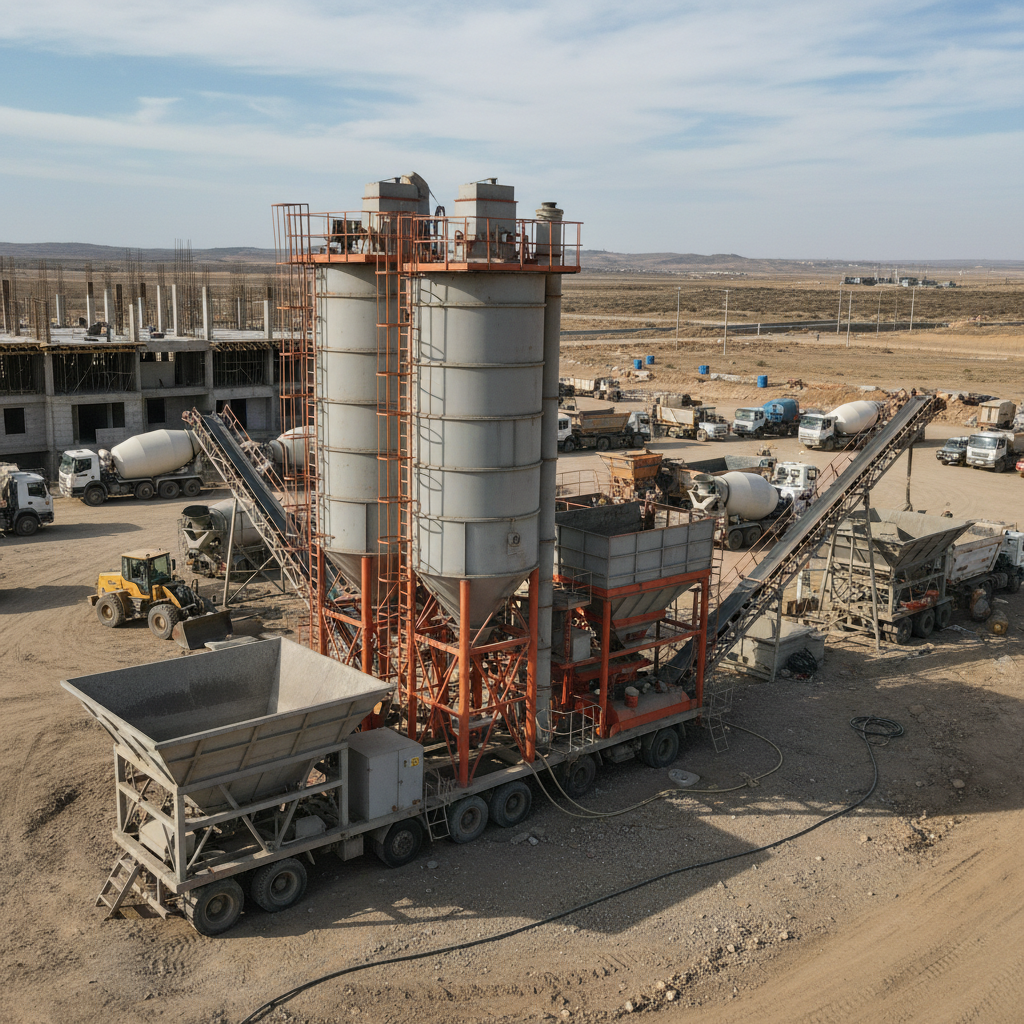
Introduction to no foundation concrete batching plant
Let's be straight – traditional concrete batching is a logistical headache. You need land, serious groundwork, and a permitting process that can drag on for months. A no foundation concrete batching plant sidesteps all that. Think of it as a self-contained concrete production unit, designed to be set up quickly and efficiently on a relatively level surface, without needing extensive foundations. It’s ideal for situations where mobility and rapid deployment are crucial.
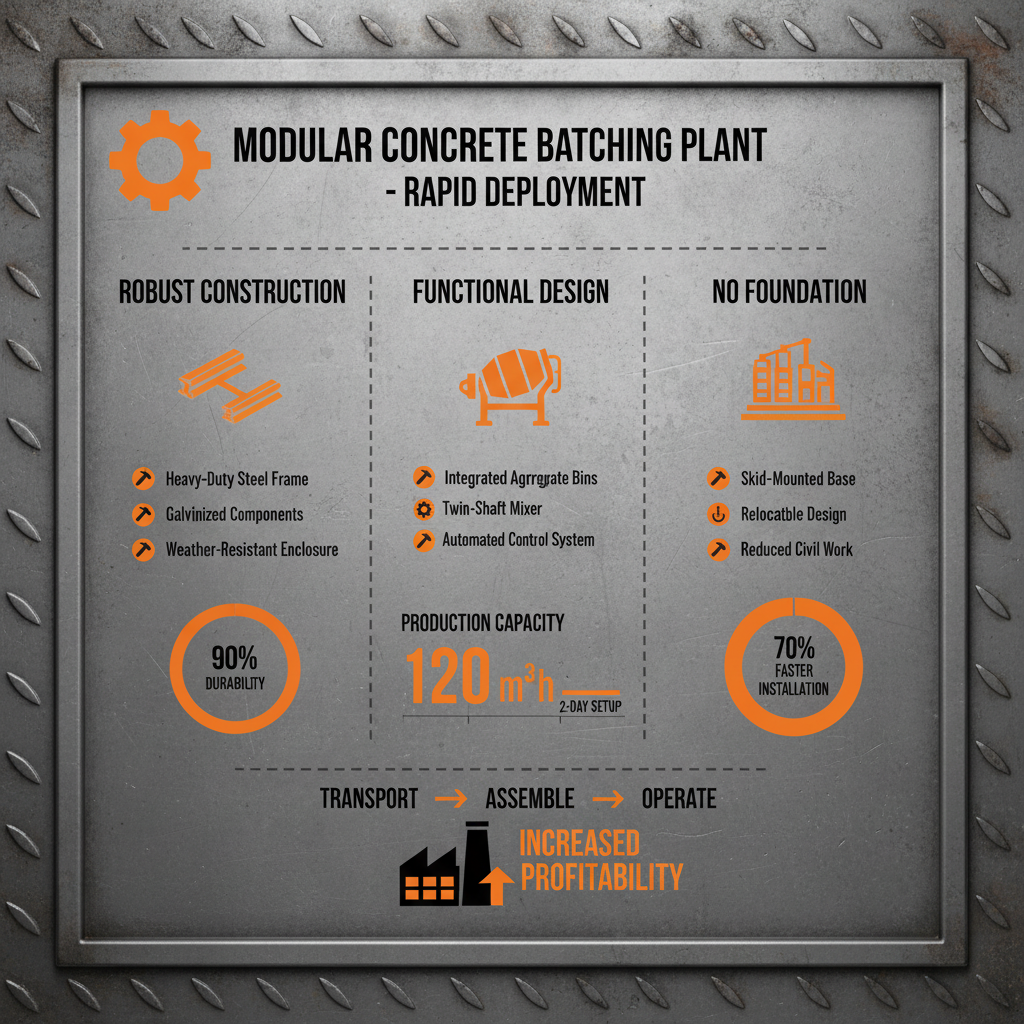
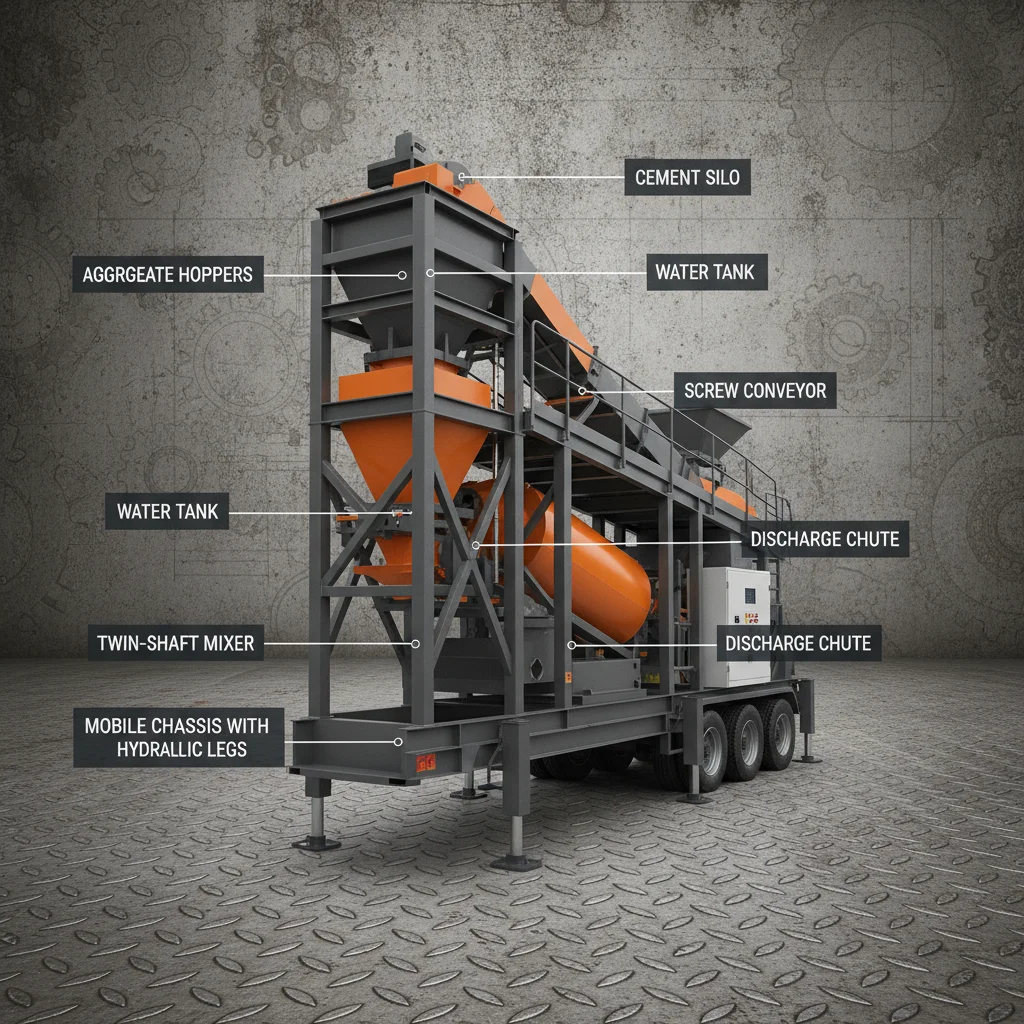
These plants are modular, meaning they’re built from components that can be easily transported and assembled. They typically include everything you need – cement silos, aggregate bins, mixers, water tanks, and a control system. The beauty is its adaptability. You can scale the capacity based on project needs, making it viable for both small-scale and medium-sized operations.
Defining the No Foundation Concept
The core idea behind a no foundation concrete batching plant is simplicity and portability. Instead of a permanently installed facility, you have a system built on a robust frame or skid, designed to distribute the load without requiring deep footings. It’s not about not needing a solid base – you still need a reasonably level and compacted surface – but it eliminates the costly and time-consuming process of pouring a concrete foundation. This is a game-changer for projects in remote locations, emergency situations, or where land access is limited.
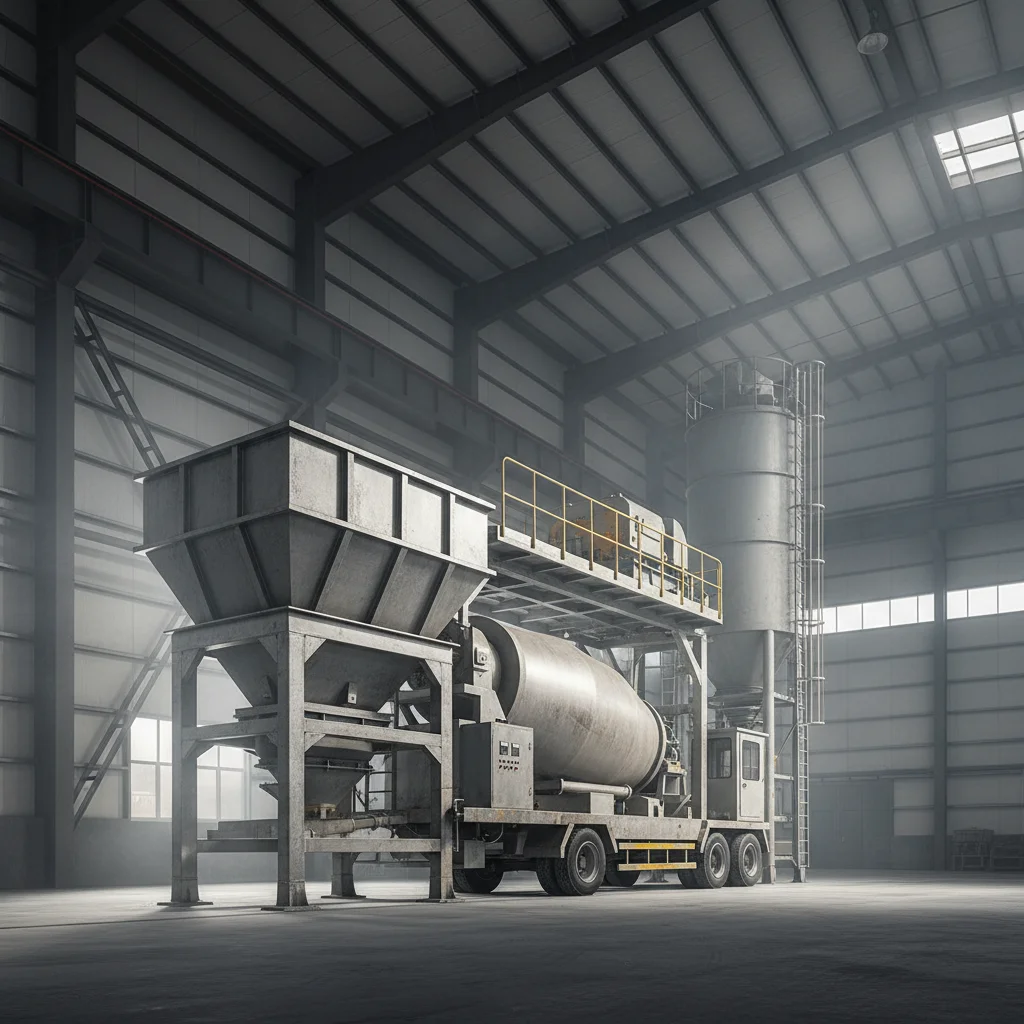
Think of it like a large, prefabricated machine, rather than a building. It's designed to be moved, set up, and operated with minimal site preparation. This translates to faster project timelines and reduced overall costs. It also avoids many of the environmental concerns associated with permanent concrete structures.
It's important to understand this isn't a compromise on quality. Modern no foundation concrete batching plant designs are engineered to deliver concrete that meets the same rigorous standards as concrete produced in traditional plants.
Key Components & Operational Aspects
At their heart, these plants consist of several key elements. First, you've got the cement silos, providing storage for your cement. Next, aggregate bins hold the sand, gravel, and other materials. Then there’s the mixer – the heart of the operation – where everything gets combined with water. Finally, a control system manages the entire process, ensuring accurate batching and consistent concrete quality. The control system is increasingly sophisticated, often incorporating automation and remote monitoring capabilities.
Operationally, the process is fairly straightforward. Materials are loaded into the silos and bins. The control system then meters out the correct quantities of each ingredient into the mixer, along with water. Once mixed, the concrete is discharged into trucks or directly to the point of use. Regular maintenance – checking bearings, lubricating parts, and calibrating sensors – is vital to ensure smooth and reliable operation.
A key aspect often overlooked is dust control. Concrete production can generate a significant amount of dust, so effective dust suppression systems are crucial, both for environmental reasons and worker safety. Modern plants often incorporate enclosed conveyors and dust collectors to minimize emissions. Proper setup and operation, following manufacturer guidelines, is crucial for optimal performance and longevity.
Global Applications & Real-World Use Cases
I've seen these plants in action all over the place. In post-disaster relief operations, they're invaluable for quickly producing concrete for rebuilding infrastructure. Forget waiting weeks for a traditional plant to be set up – you can have a no foundation concrete batching plant operational within days.
In remote industrial zones, like mining operations or large-scale construction projects in developing countries, they provide a reliable source of concrete where access to traditional plants is limited. They are also ideal for precast concrete manufacturers who need a flexible production capacity.
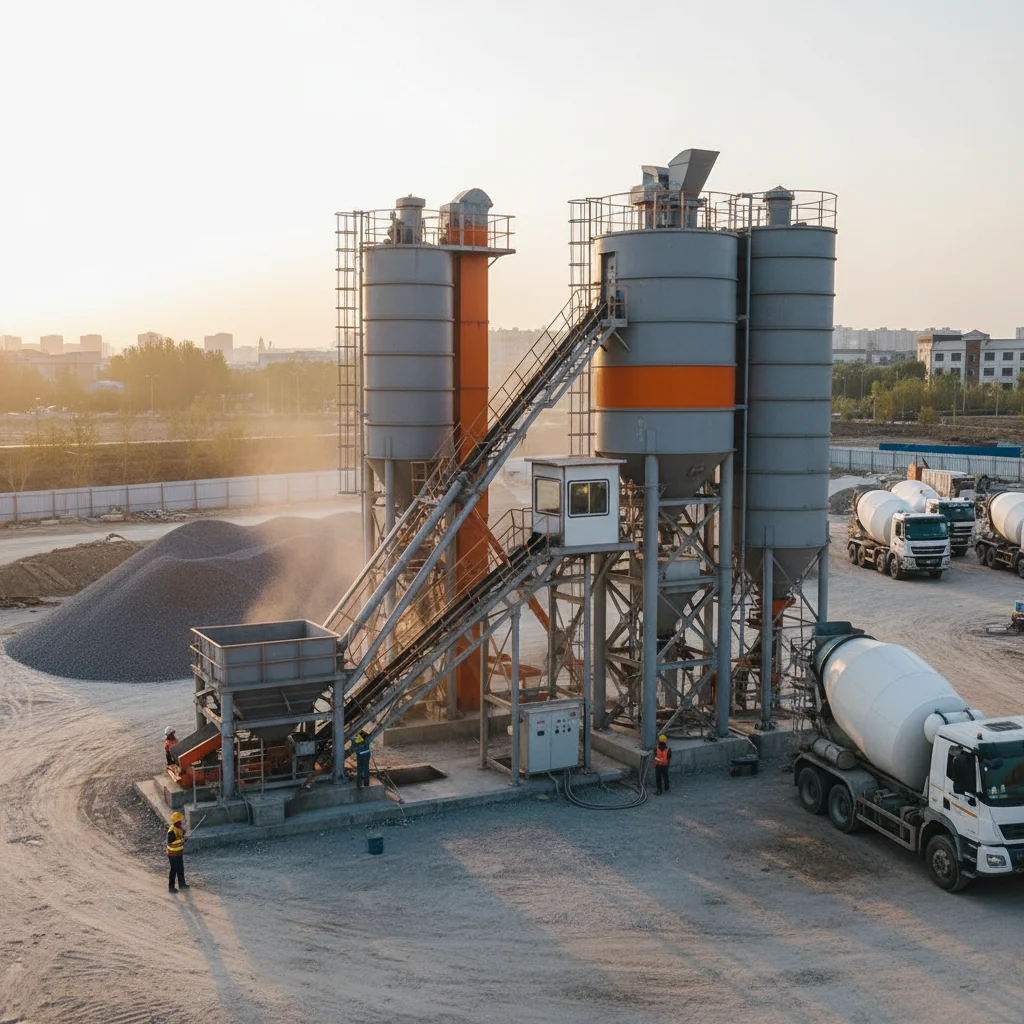
We're seeing increased use in infrastructure projects like bridge repairs, road construction, and tunnel lining. The ability to set up a plant directly on-site minimizes transportation costs and ensures a consistent supply of concrete throughout the project lifecycle.
Concrete Quality Metrics by Plant Type
Advantages & Long-Term Value Proposition
The benefits go way beyond just saving time and money on the foundation. You get increased flexibility, allowing you to locate the plant closer to the project site, reducing transportation costs and minimizing the risk of delays. The reduced environmental impact – less land disturbance, lower emissions – is also a significant plus, especially with increasing environmental regulations.
Long term, the reliability and reduced downtime of these plants contribute to a healthier bottom line. And let’s not forget the safety aspect. A well-maintained no foundation concrete batching plant, operated by trained personnel, can create a safer work environment.
Future Trends & Innovations in the Field
We're seeing a push towards automation and remote monitoring. Imagine being able to control and monitor the entire concrete production process from your smartphone. That’s the direction things are headed. Integration with Building Information Modeling (BIM) software is also becoming more common, allowing for better project planning and coordination.
Sustainable concrete production is another big trend. Using supplementary cementitious materials (SCMs) – like fly ash or slag – to reduce the carbon footprint of concrete is becoming increasingly important. And we’re even starting to see the development of self-healing concrete technologies that can extend the lifespan of structures.
Common Challenges & Practical Solutions
One challenge is ensuring adequate power supply, especially in remote locations. Often, you’ll need a generator, which adds to the cost and complexity. Proper site preparation is also crucial. While you don't need a full foundation, the ground must be level and compacted to support the weight of the plant.
Dust control can be another issue, particularly in dry climates. Investing in a good dust suppression system is essential. Finally, operator training is paramount. A well-trained operator can ensure consistent concrete quality and minimize downtime. Regular maintenance and preventative servicing will also extend the life of the equipment.
The key takeaway is that a no foundation concrete batching plant isn't a magic bullet, it’s a tool. And like any tool, it requires careful planning, proper operation, and regular maintenance to deliver the best results.
Summary of Key Considerations for No Foundation Concrete Batching Plant Implementation
| Site Preparation |
Power Requirements |
Dust Control Measures |
Operator Skill Level |
| Level and compacted ground surface required. |
Generator may be necessary in remote locations. |
Enclosed conveyors and dust collectors recommended. |
Comprehensive training on operation and maintenance. |
| Minimal excavation necessary. |
Assess power grid availability and capacity. |
Water spraying systems can also help suppress dust. |
Understanding of concrete mix designs is essential. |
| Ensure adequate drainage to prevent water pooling. |
Consider fuel storage and delivery logistics. |
Regular inspection and maintenance of dust control equipment. |
Proficiency in troubleshooting common issues. |
| Confirm ground stability to support plant weight. |
Explore renewable energy options for power generation. |
Compliance with local environmental regulations. |
Familiarity with quality control procedures. |
| Consider potential for ground settling over time. |
Implement power surge protection measures. |
Proper disposal of collected dust materials. |
Ability to interpret and respond to data from the control system. |
| Regularly inspect the site for stability. |
Backup power systems can ensure continuous operation. |
Implement a dust monitoring program. |
Commitment to ongoing professional development. |
FAQS
The primary advantage lies in the significantly reduced setup time and cost. Traditional plants require substantial foundation work and permitting, which can take months. No foundation plants are quickly deployable on relatively level ground, making them ideal for remote locations, emergency projects, and situations where rapid concrete production is critical. It also cuts down on environmental disruption and offers more flexibility.
While it doesn’t require a concrete foundation, the ground needs to be reasonably level, compacted, and stable to support the weight of the plant. Minor leveling may be required. It's also crucial to ensure adequate drainage to prevent water pooling. A geotechnical assessment is recommended to confirm ground stability, particularly in challenging terrains.
Production capacity varies significantly based on the plant’s size and configuration. Smaller, more portable plants might produce 30-50 cubic meters per hour, while larger, modular plants can reach 80-120 cubic meters per hour. Capacity is scalable, allowing you to choose a plant that meets your specific project needs.
Maintenance is generally similar to that of a traditional plant, focusing on regular inspections, lubrication of moving parts, calibration of sensors, and cleaning. The modular design often simplifies access to components for maintenance. A preventative maintenance schedule is essential to ensure long-term reliability.
Modern no foundation plants are capable of producing a wide range of concrete mixes, including standard concrete, high-strength concrete, and specialized mixes. The key is having the right aggregate bins, mixers, and control system for the specific application. It's crucial to ensure accurate batching and mixing to achieve desired concrete properties.
With proper maintenance and care, a no foundation concrete batching plant can have a lifespan of 10-15 years, or even longer. The quality of the materials used in construction, the operating environment, and the frequency of use all play a role in determining the plant’s longevity. Regular inspections and timely repairs are essential to maximize its lifespan.
Conclusion
In closing, the no foundation concrete batching plant represents a significant advancement in concrete production technology. It offers a unique blend of portability, efficiency, and cost-effectiveness, making it a valuable asset for a wide range of applications, from disaster relief to large-scale infrastructure projects. It’s not about replacing all traditional plants, but providing a flexible and adaptable solution for situations where those plants simply aren’t feasible.
Looking ahead, we’ll continue to see innovations in automation, sustainability, and remote monitoring. If you're facing challenges with concrete supply, logistics, or project timelines, I strongly recommend exploring the potential of these plants. Visit our website at www.batchplantpro.com to learn more about how a no foundation concrete batching plant can benefit your next project.