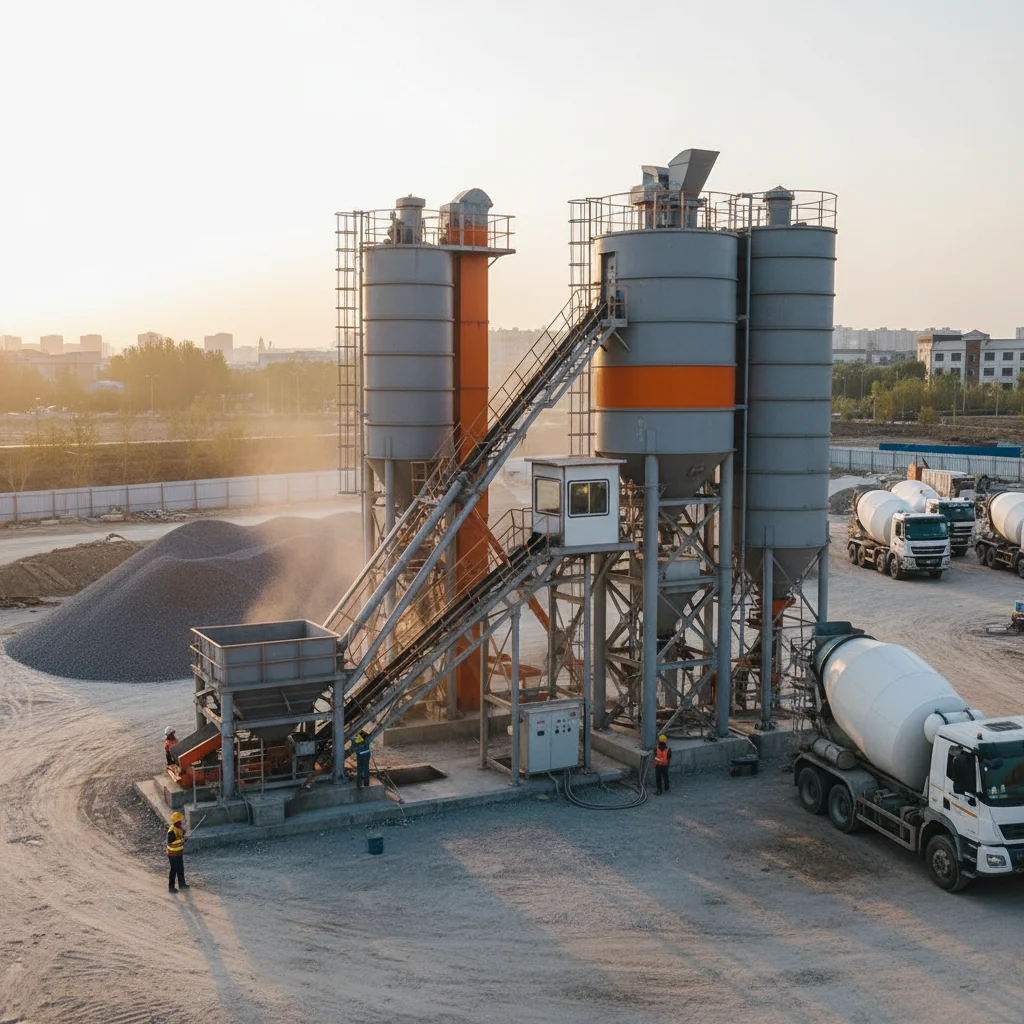
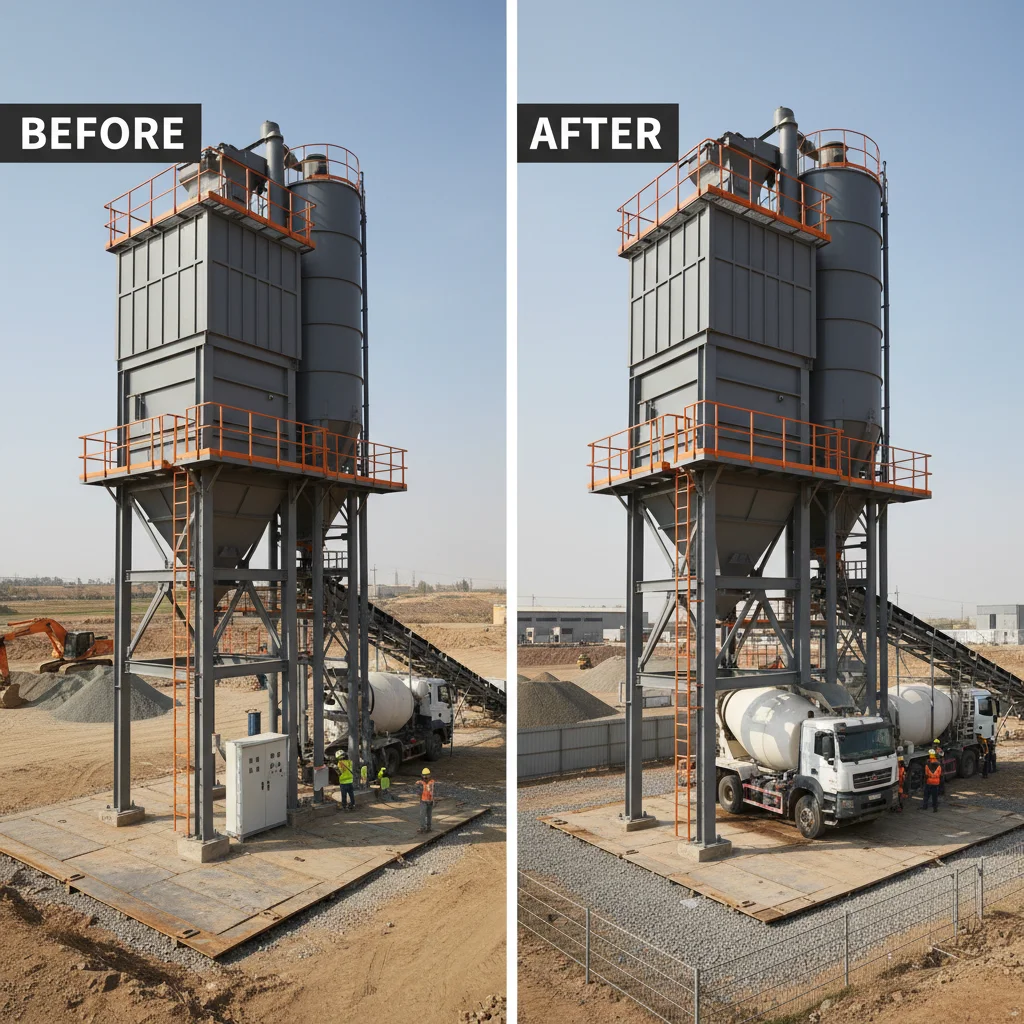
In the rapidly evolving landscape of modern construction, the demand for agility and efficiency has led to the rise of the fast-assemble foundation-free concrete plant. Unlike traditional batching plants that require months of civil engineering and deep concrete foundations, these innovative systems allow contractors to establish high-capacity production hubs in a fraction of the time. This shift is not merely a convenience but a strategic necessity for projects where speed of deployment is the primary driver of profitability.
Globally, the construction industry is facing unprecedented pressure to reduce lead times and minimize site environmental impact. By eliminating the need for permanent foundations, the fast-assemble foundation-free concrete plant addresses the critical bottleneck of site preparation. Whether it is for a remote bridge project in a mountainous region or a rapid urban expansion, the ability to deploy a fully functional mixing station without extensive excavation is transforming how infrastructure is delivered.
Understanding the technical nuances and operational advantages of this technology is essential for any modern firm looking to optimize its supply chain. From reduced capital expenditure on site preparation to the flexibility of relocating the plant as the project progresses, the fast-assemble foundation-free concrete plant represents the pinnacle of modular engineering in the concrete industry, bridging the gap between stationary quality and mobile flexibility.
Global Context and the Evolution of Concrete Production
The global construction market is currently undergoing a paradigm shift toward "modularization," driven by the need for sustainable and rapid infrastructure growth. According to trends observed in international development projects, the traditional method of pouring massive concrete foundations just to support a mixing plant is increasingly seen as wasteful. The introduction of the fast-assemble foundation-free concrete plant aligns with ISO standards for efficiency and environmental management by reducing the carbon footprint associated with initial site preparation.
In many emerging economies, the challenge is not just the lack of equipment, but the lack of time. When building highways or dams in remote areas, the logistics of creating a permanent foundation can delay a project by weeks. The transition to foundation-free systems allows for a "plug-and-play" approach, where the plant is leveled on a compacted surface and begins production almost immediately, solving the age-old conflict between setup time and project deadlines.
Defining the Fast-Assemble Foundation-Free Concept
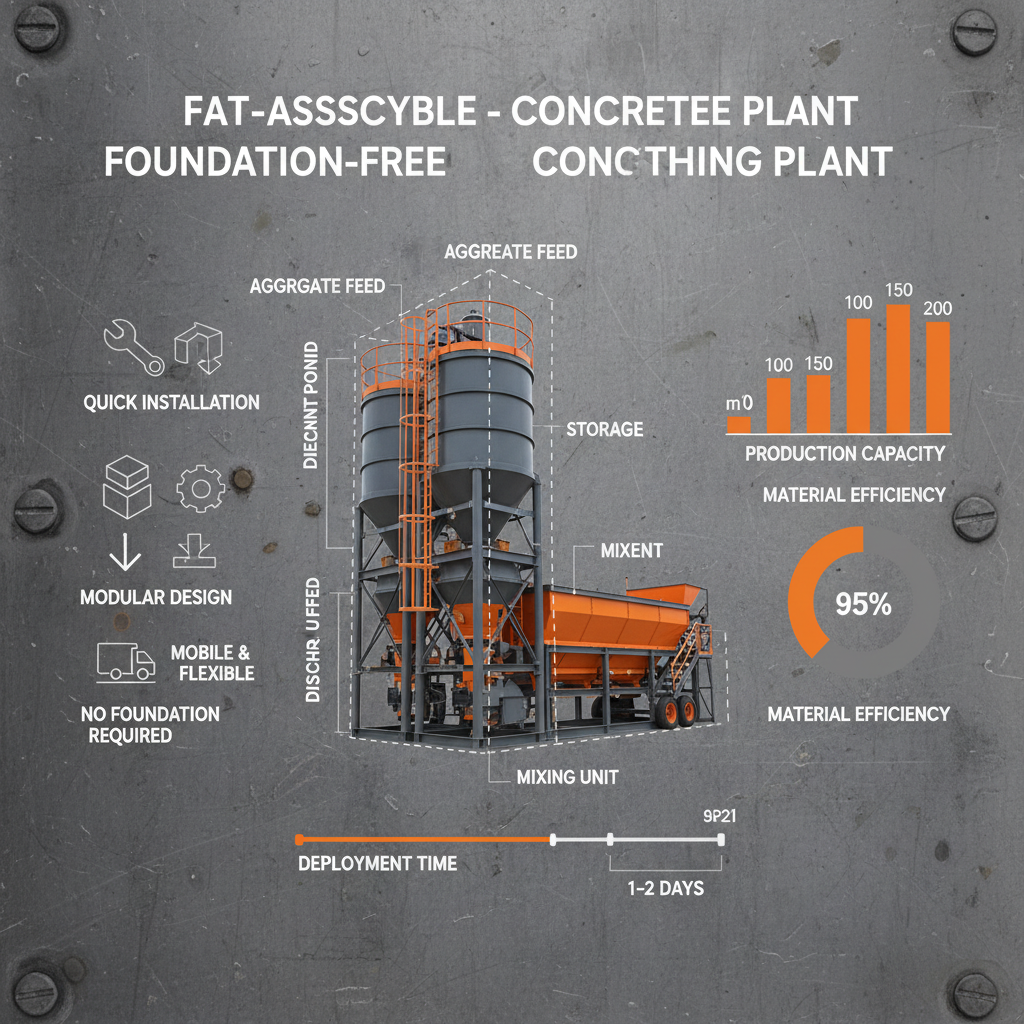
At its core, a fast-assemble foundation-free concrete plant is a precision-engineered mixing system designed to operate on a leveled, compacted ground surface without the need for reinforced concrete slabs or underground piling. This is achieved through a specialized chassis design and integrated support legs that distribute the weight of the aggregate bins and the mixer evenly across the surface, ensuring structural integrity even during peak loading.
This concept is deeply connected to the modern need for "lean construction." By removing the foundation requirement, companies can eliminate the cost of raw materials for the base, reduce the labor hours spent on excavation, and avoid the permanent scarring of the landscape. It transforms the batching plant from a fixed piece of real estate into a flexible asset that can move alongside the project's progress.
Furthermore, the "fast-assemble" aspect refers to the modular nature of the components. Most of the plant arrives pre-wired and pre-piped. The process involves simple bolting and leveling, which means a skilled team can have a high-capacity fast-assemble foundation-free concrete plant operational within a few days, compared to the months required for traditional installations.
Core Components for Maximum Operational Stability
The structural integrity of a fast-assemble foundation-free concrete plant relies heavily on its advanced support system. High-strength steel frames are used to create a rigid skeletal structure that resists vibration and torsion during the mixing process. This ensures that the precision of the weighing systems remains intact regardless of the lack of a concrete base.
Crucial to the operation is the integrated control system of the fast-assemble foundation-free concrete plant. Modern PLC (Programmable Logic Controller) systems allow for automated dosing and mixing, ensuring that the concrete grade remains consistent. This automation compensates for the mobility of the plant, providing the same quality control as a stationary facility.
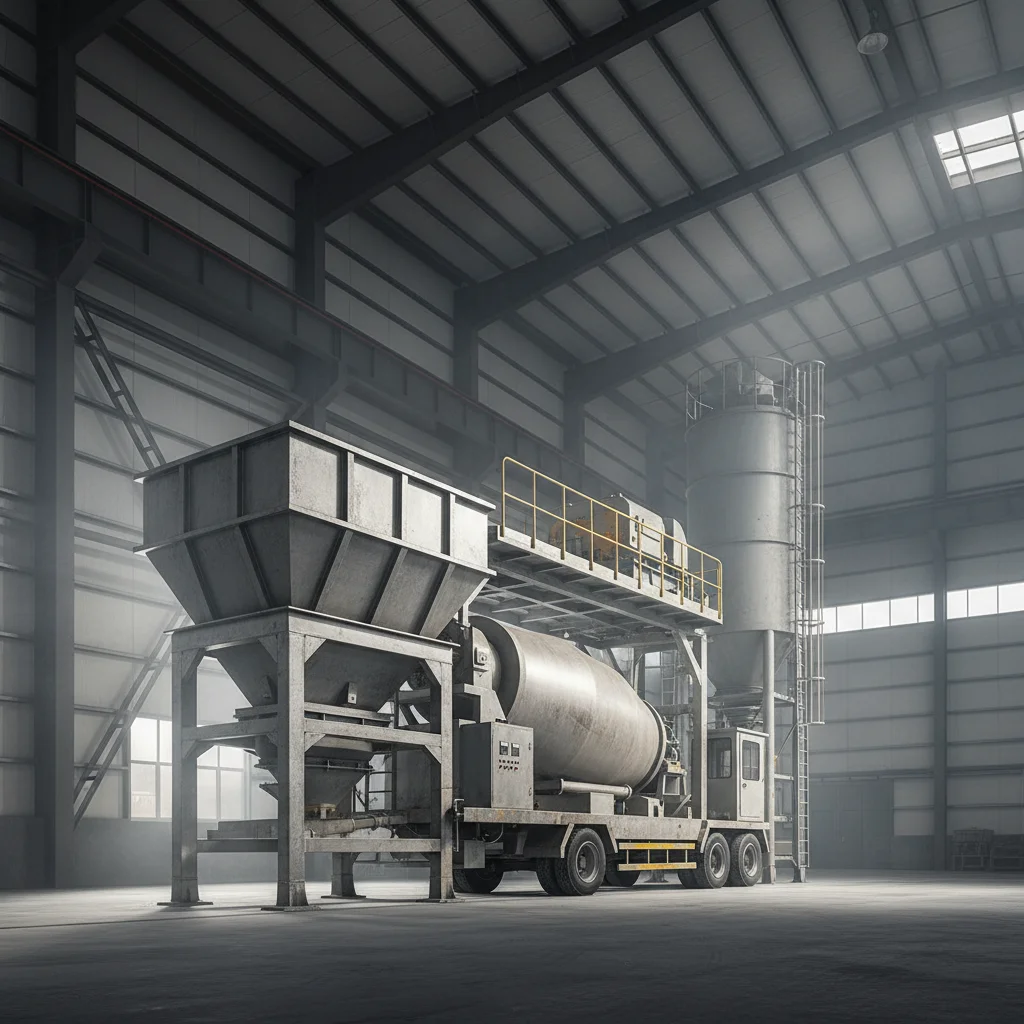
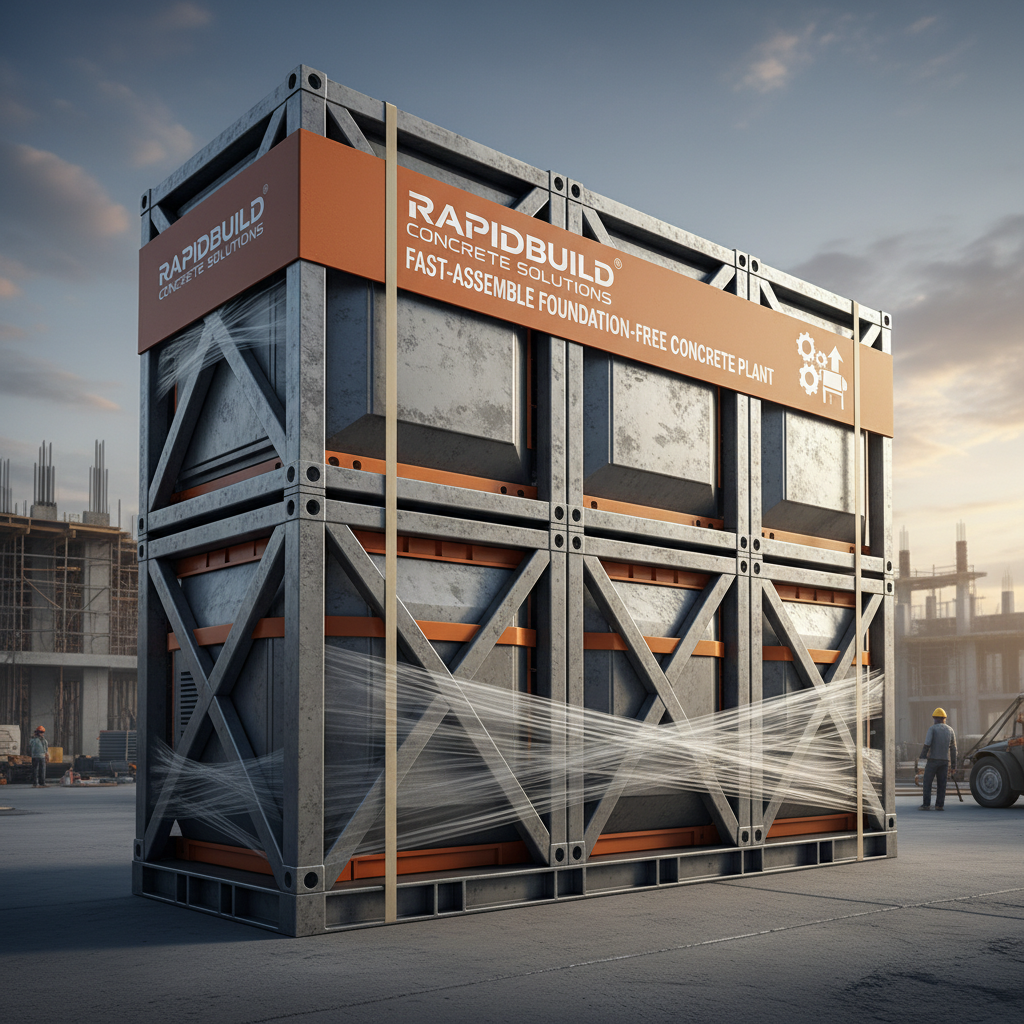
Finally, the modular aggregate bins and the twin-shaft or planetary mixers are designed for rapid decoupling. The fast-assemble foundation-free concrete plant utilizes heavy-duty bolted connections instead of welds for main structural joints, which facilitates not only the initial setup but also the eventual decommissioning and transport to a new site.
Efficiency Metrics and Performance Comparison
When evaluating the performance of a fast-assemble foundation-free concrete plant, the primary metrics are deployment speed, cost per cubic meter of setup, and overall stability. Traditional plants offer immense scale but fail in agility. In contrast, foundation-free plants offer a balanced ratio of output capacity to setup time, making them the ideal choice for mid-to-large scale infrastructure projects.
The following data illustrates how different configurations of foundation-free systems perform across key operational benchmarks. By comparing modularity and installation speed, it becomes clear why the industry is shifting toward these flexible solutions.
Performance Ratings of Foundation-Free Systems
Global Applications Across Diverse Terrains
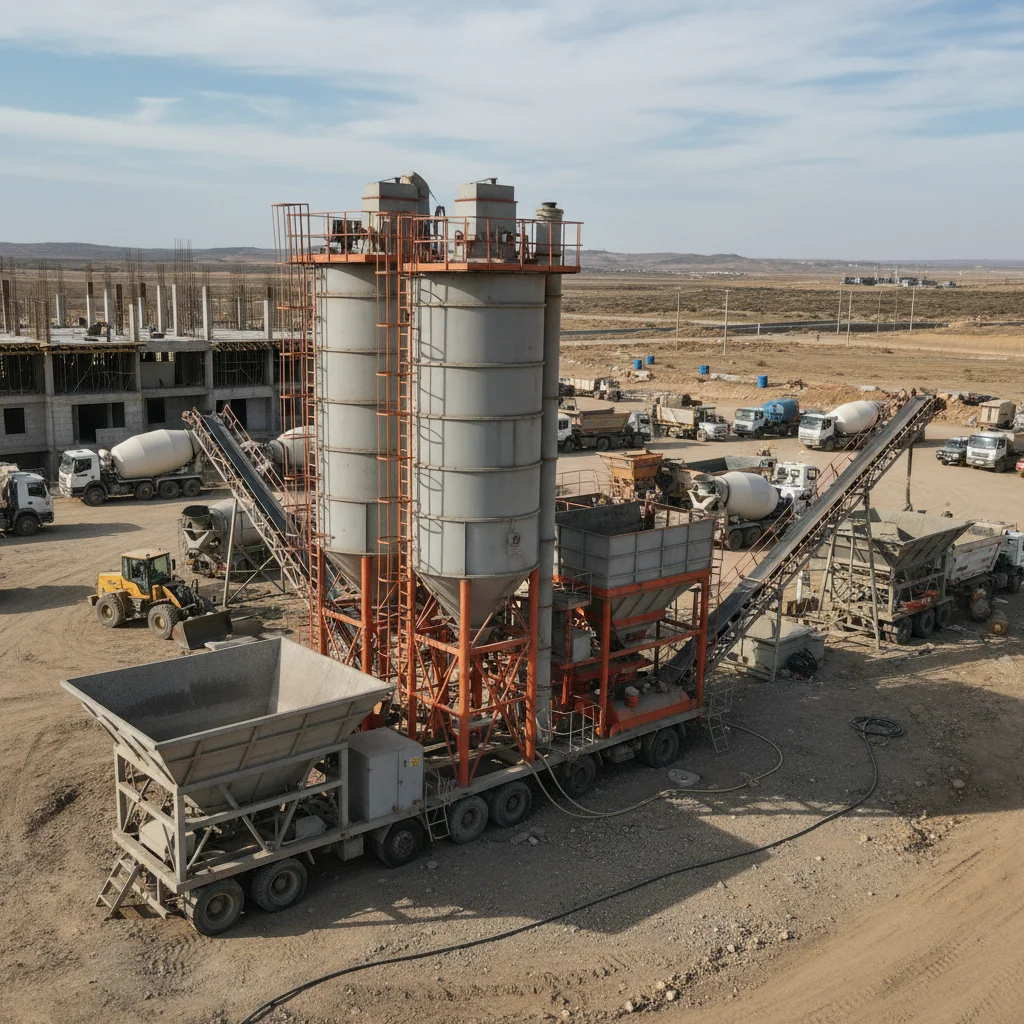
The versatility of the fast-assemble foundation-free concrete plant makes it indispensable for projects in geographically challenging areas. In Southeast Asia, for example, where monsoon seasons can turn ground soft and unpredictable, the ability to deploy a plant on a prepared gravel bed without pouring a permanent slab prevents long-term soil instability and reduces environmental runoff.
Similarly, in the mining sectors of Australia and Canada, these plants are used to build haul roads and processing facility bases. Because mining sites are temporary by nature, investing in a permanent foundation is logically flawed. The fast-assemble foundation-free concrete plant allows the mining company to produce high-grade concrete on-site and then simply disassemble and move the entire facility to the next excavation zone.
Long-Term Economic and Environmental Value
From a financial perspective, the fast-assemble foundation-free concrete plant significantly lowers the barrier to entry for smaller contractors. The elimination of civil engineering costs for the foundation means that initial capital expenditure (CAPEX) is drastically reduced. This allows firms to allocate more budget toward high-quality raw materials or advanced additives that improve the final concrete strength.
Sustainability is another critical advantage. Traditional plant foundations require thousands of cubic meters of concrete and steel, which stay in the ground forever after the project is finished. By utilizing a foundation-free approach, we eliminate this waste entirely. This aligns with the global movement toward "Green Construction," reducing the project's overall carbon footprint and making it easier to obtain environmental permits in protected regions.
Moreover, the reliability of these systems fosters trust between the contractor and the client. Knowing that a fast-assemble foundation-free concrete plant can be operational in days rather than months provides a safety buffer for project timelines. This reliability minimizes the risk of liquidated damages and enhances the professional reputation of the construction firm.
Future Innovations in Modular Batching Tech
The future of the fast-assemble foundation-free concrete plant lies in the integration of AI and IoT. We are seeing a move toward "smart plants" that can automatically adjust the mix design based on real-time sensor data from the pouring site. This closed-loop system ensures that the concrete produced by a foundation-free plant is perfectly tailored to the ambient temperature and humidity of the environment.
Automation is also extending to the assembly process. Future iterations may include semi-automated hydraulic leveling systems that allow the plant to self-balance on uneven terrain, further reducing the need for manual ground preparation. These advancements will make the fast-assemble foundation-free concrete plant even more autonomous and efficient.
Finally, the adoption of carbon-neutral energy sources, such as hybrid solar-electric power for the control systems and mixers, is on the horizon. This will transition the fast-assemble foundation-free concrete plant from a tool of efficiency to a tool of absolute sustainability.
Technical Analysis of Foundation-Free Concrete Plant Configurations
| Plant Model |
Setup Time (Days) |
Foundation Requirement |
Relocation Ease (1-10) |
| Rapid-Lite 30 |
2-3 Days |
Compacted Gravel |
10 |
| Pro-Build 60 |
4-6 Days |
Leveled Earth |
8 |
| Industrial-Max 120 |
7-10 Days |
Crushed Stone Base |
7 |
| Eco-Modular 45 |
3-5 Days |
Compacted Soil |
9 |
| Urban-Compact 20 |
1-2 Days |
Existing Asphalt |
10 |
| Terrain-Master 90 |
5-8 Days |
Reinforced Gravel |
8 |
FAQS
Yes. The quality of concrete depends on the precision of the weighing system and the efficiency of the mixer, not the foundation. Modern foundation-free plants use high-precision load cells and PLC controls that ensure the water-cement ratio and aggregate dosing are identical to those of stationary plants.
They are designed for the entire duration of a project. Whether the project lasts six months or three years, the structural frame is built for longevity. The "foundation-free" aspect refers to the installation, not the operational lifespan, which is equivalent to traditional plants.
Absolutely. The plants utilize a wide-base support system and heavy-duty chassis that distribute static and dynamic loads across the ground. As long as the ground is properly compacted (e.g., with crushed stone or leveled earth), there is no risk of sinking or instability.
The savings come from three areas: zero expenditure on foundation concrete/steel, a reduction in labor costs for excavation and pouring, and the ability to recover value by relocating the plant to future projects rather than abandoning a concrete base.
The process is designed to be the reverse of assembly. Because the plant uses bolted modular connections, it can be dismantled into standard shipping container dimensions. A professional team can typically pack the plant for transport in a few days.
Yes. Because they often feature advanced twin-shaft or planetary mixers, these plants can handle high-slump, high-strength, and specialized fiber-reinforced concrete required for heavy infrastructure, regardless of their modular setup.
Conclusion
The adoption of the fast-assemble foundation-free concrete plant marks a significant leap forward in construction logistics. By merging the high output of stationary batching plants with the agility of mobile units, this technology eliminates the costly and time-consuming burden of site preparation. We have explored how these systems provide not only economic benefits through reduced CAPEX but also environmental advantages by minimizing site disturbance and waste.
Looking ahead, the integration of smart automation and green energy will only further solidify the role of foundation-free plants in the global infrastructure race. For contractors and engineers, the transition to these modular systems is no longer optional but a prerequisite for remaining competitive in an era of rapid deployment and sustainable building. To explore the best solutions for your next project, visit our website: www.batchplantpro.com