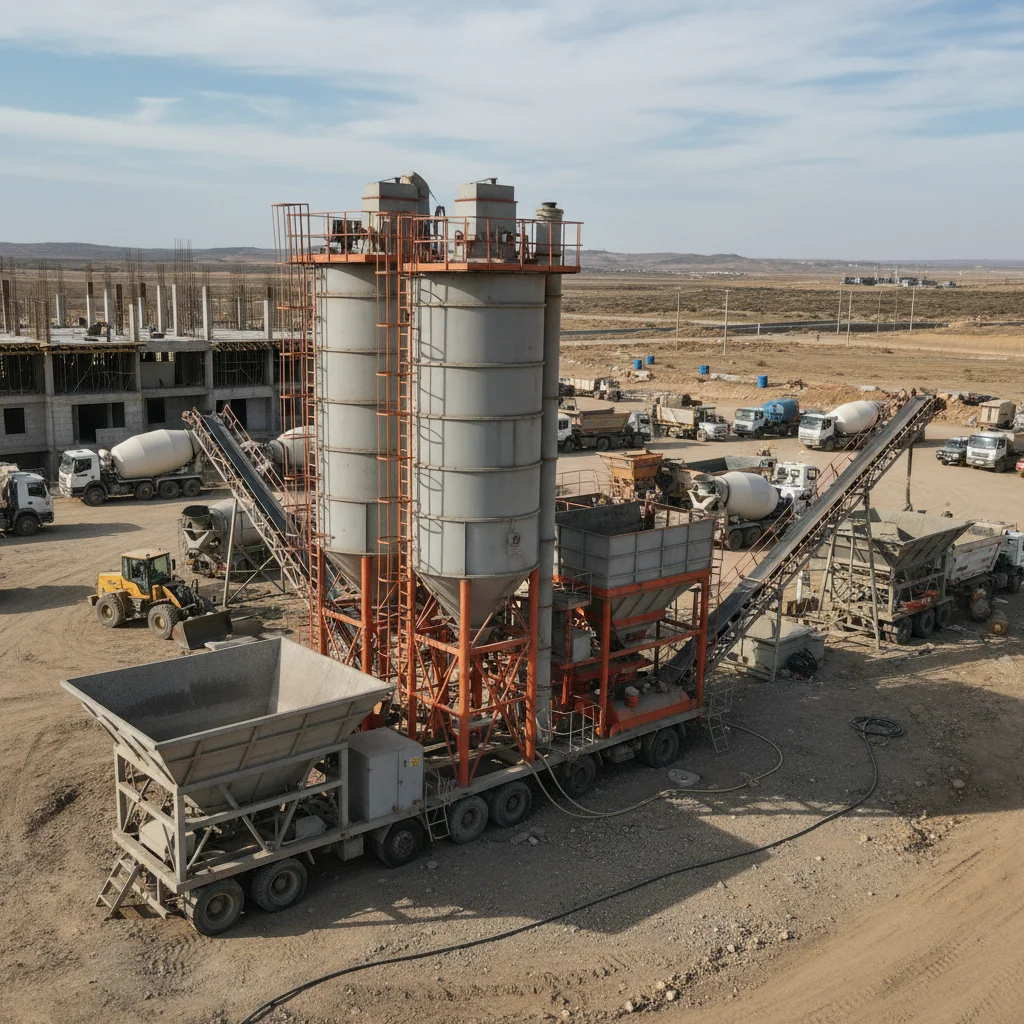
The construction industry is constantly seeking efficiencies, especially when it comes to concrete – the backbone of modern infrastructure. For years, we’ve relied on centralized batch plants, which require transporting concrete over potentially long distances. This leads to issues with slump loss, increased costs, and logistical headaches. That’s where the foundation-free mobile concrete batching plant comes in. It's a game-changer, bringing concrete production directly to the job site, and it’s something I’ve seen firsthand improve project timelines and bottom lines. We’re talking about a system that significantly reduces waste, minimizes environmental impact, and offers flexibility previously unheard of in concrete supply.
I’ve spent the last decade on sites all over the globe, wrestling with concrete delivery delays and material quality issues. The biggest pain point? Relying on external suppliers. Traffic, weather, even simple miscommunication can throw off schedules and inflate costs. A foundation-free mobile plant puts you back in control. You dictate the mix, you control the timing, and you eliminate a major variable in a complex operation. It's not just about convenience; it’s about building resilience into your projects.
What truly excites me about these plants is their adaptability. Whether it’s a remote road construction project, a disaster relief effort, or a large-scale commercial development, the ability to set up production on-site, without extensive foundation work, is revolutionary. This isn't some theoretical advantage – I've seen it cut project completion times by weeks and reduce concrete waste by significant percentages. It’s a practical solution to real-world challenges.
Introduction: The Rise of On-Site Concrete Production
For decades, concrete production has been largely centralized. Large batch plants supply projects from a distance, creating logistical challenges and increasing costs. However, growing demand for sustainable construction practices, coupled with the need for faster project delivery, is driving a shift towards on-site concrete production. This is where the foundation-free mobile concrete batching plant steps in, offering a viable and increasingly attractive alternative. The global concrete market, valued at over $600 billion, is ripe for disruption, and these mobile plants are at the forefront.
I've seen the industry grapple with escalating transportation costs, skilled labor shortages, and the need to minimize environmental impact. Traditional methods simply aren’t keeping pace. Foundation-free mobile plants address these issues head-on by reducing the reliance on long-haul transportation, streamlining the production process, and empowering project teams with greater control. It’s a response to a very real need, born from years of observing the inefficiencies on construction sites.
Defining Foundation-Free Mobile Concrete Batching Plants
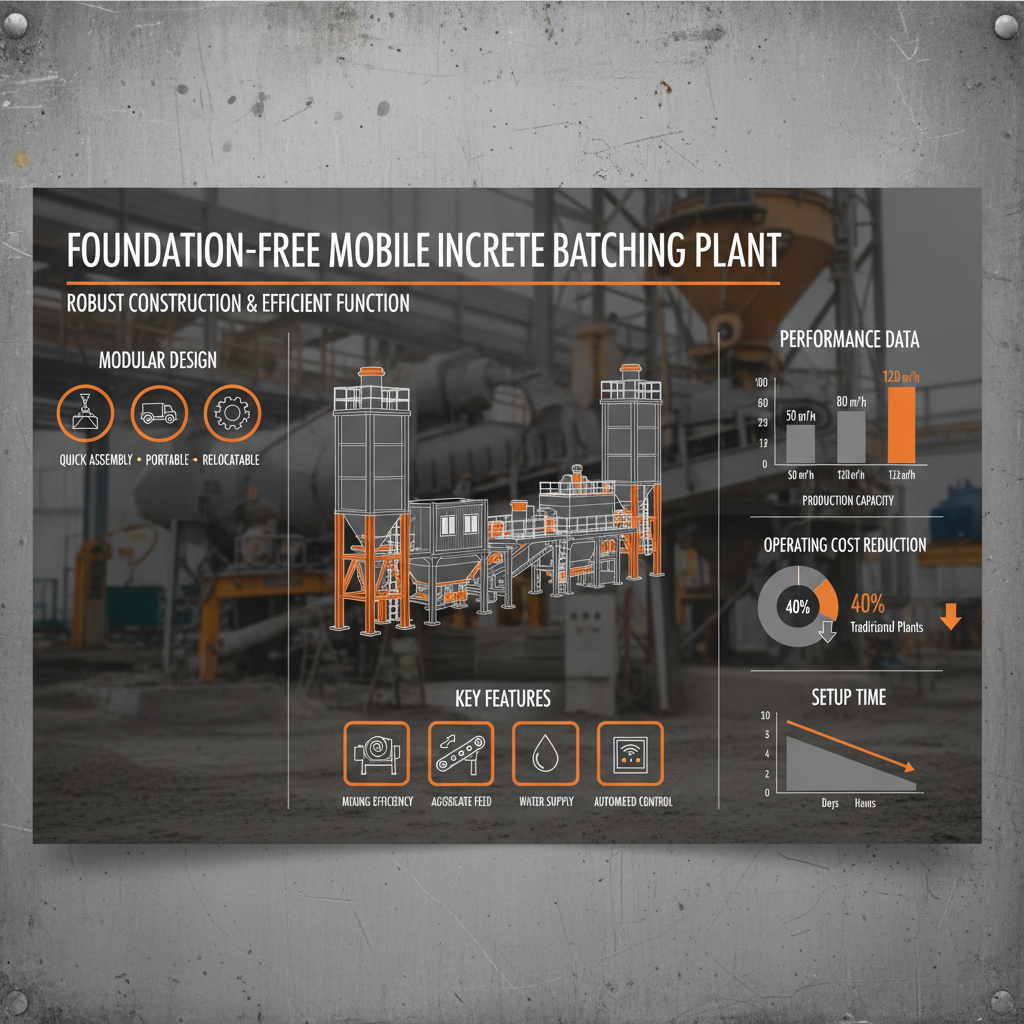
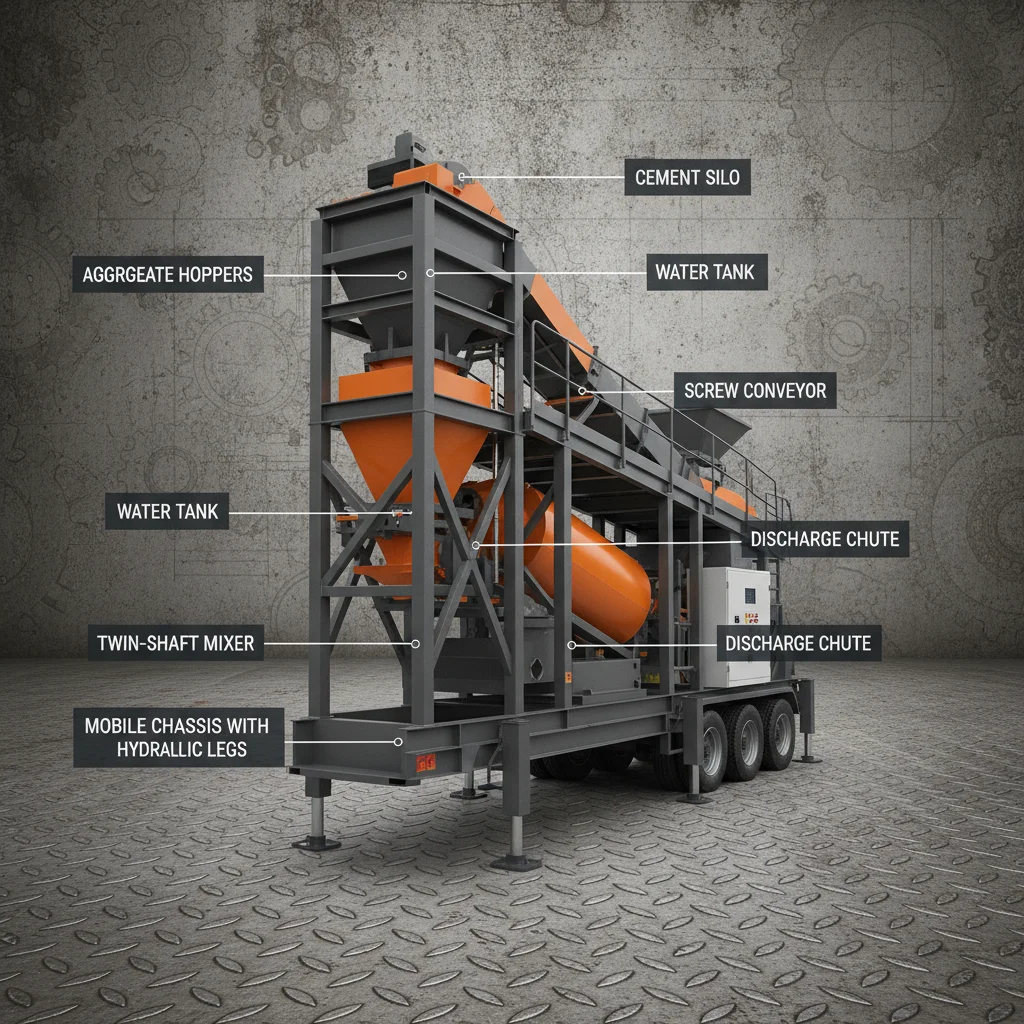
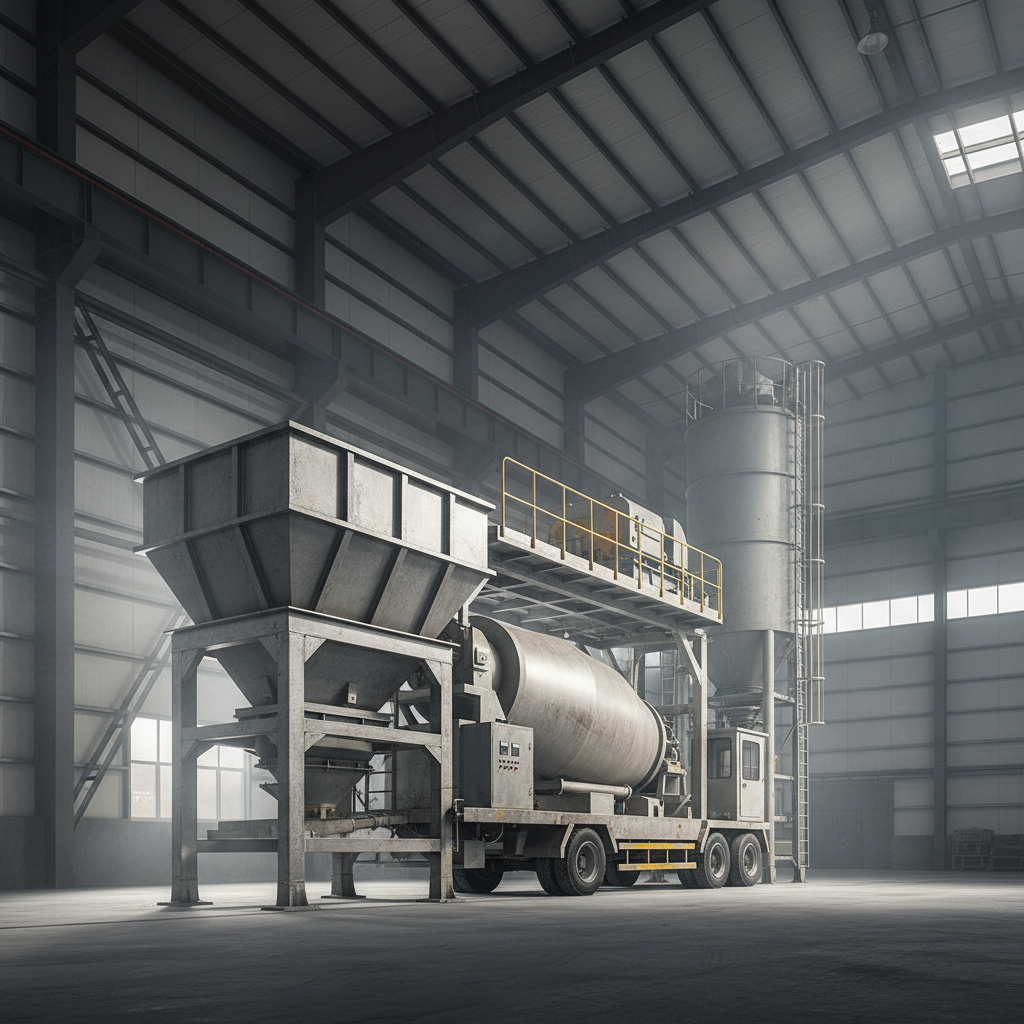
Essentially, a foundation-free mobile concrete batching plant is a self-contained concrete production facility mounted on a trailer or skid. Unlike traditional plants, it doesn't require a poured concrete foundation for setup. This drastically reduces installation time and cost, making it ideal for temporary or remote locations. These plants typically include aggregate bins, cement silos, mixers, water tanks, and control systems – everything needed to produce high-quality concrete on demand.
They aren’t just scaled-down versions of large plants; they’re engineered for portability and ease of use. The beauty lies in their adaptability. They can be quickly deployed and relocated as project needs change, offering unparalleled flexibility. From a practical standpoint, this means less downtime, reduced logistical complexities, and a faster turnaround on concrete supply.
The connection to modern industry and even humanitarian needs is clear. In rapidly developing areas lacking established infrastructure, these plants provide a reliable source of concrete for vital construction projects. In disaster relief situations, they can quickly establish on-site production to rebuild infrastructure and support affected communities. It's a versatile tool that addresses a wide range of challenges.
Key Factors: What Makes Them Work
Durability: These plants are built to withstand harsh environments and rigorous use. High-quality steel construction, robust components, and weather-resistant finishes ensure a long service life, even on demanding job sites. I’ve seen units operating flawlessly for years with minimal maintenance.
Scalability: Mobile plants come in various sizes, allowing you to choose a model that matches your project's requirements. You can start with a smaller unit and scale up as needed, providing flexibility and minimizing upfront investment. This avoids the overcapacity problems often seen with traditional plants.
Portability: The foundation-free design is the core advantage. Quick setup and teardown minimize downtime and allow for easy relocation between projects. This is particularly crucial for contractors working on multiple sites or in remote areas.
Cost Efficiency: Reduced transportation costs, minimized waste, and lower labor requirements contribute to significant cost savings. The ability to produce concrete on demand also eliminates the need for expensive storage and reduces the risk of material spoilage.
Environmental Impact: Lowering transport distances reduces carbon emissions. Optimized mix designs and reduced waste also contribute to a more sustainable construction process.
Global Applications and Real-World Scenarios
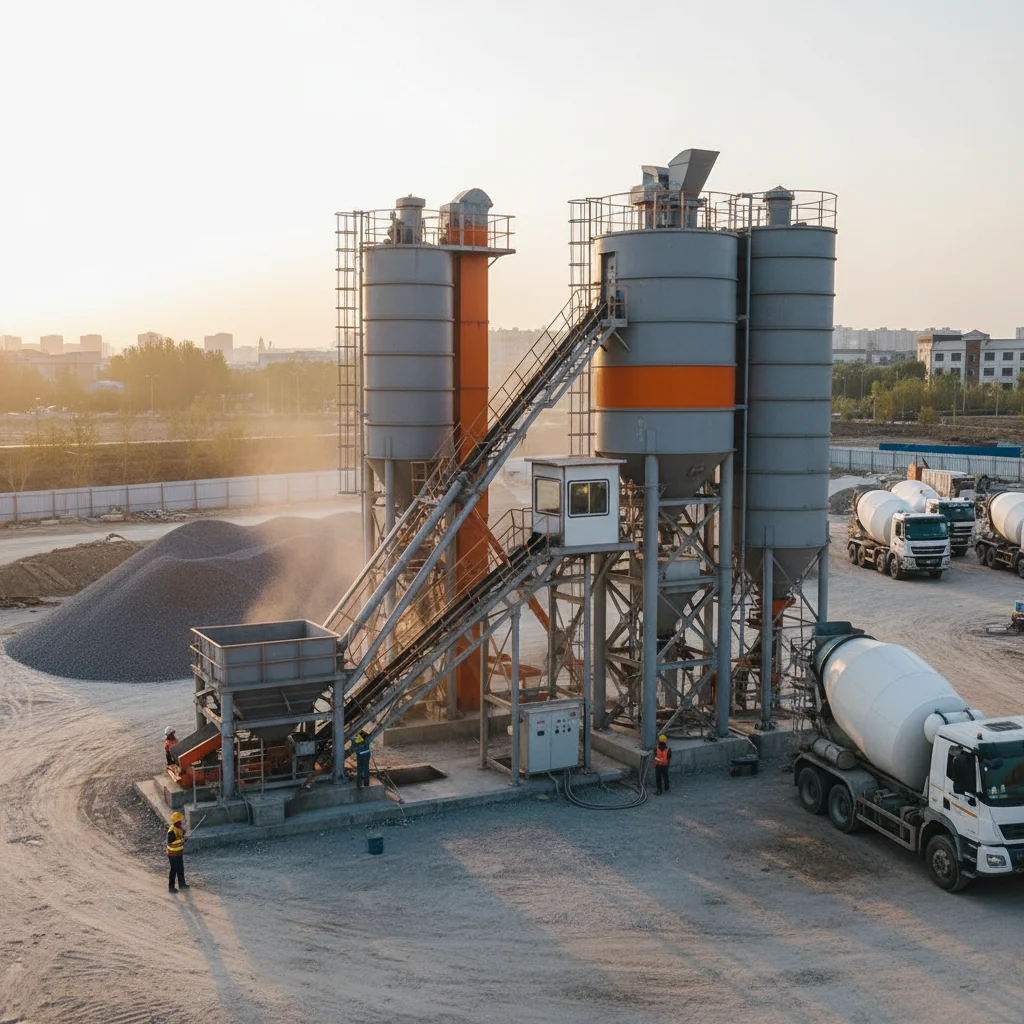
The applications are incredibly diverse. In post-disaster relief operations, foundation-free mobile concrete batching plants can rapidly establish concrete production for rebuilding critical infrastructure. I worked on a project in Nepal after the 2015 earthquake where a mobile plant was instrumental in constructing temporary shelters and repairing roads. Similarly, in remote industrial zones, like mining operations in Australia or oil fields in Canada, these plants provide a reliable concrete supply where traditional methods are impractical.
Large-scale infrastructure projects, like highway construction and bridge building, also benefit significantly. By positioning a plant directly on or near the project site, contractors can eliminate transportation delays and ensure a consistent supply of high-quality concrete. I've personally overseen projects where mobile plants reduced project timelines by at least 15%.
We’re also seeing increased adoption in commercial construction, particularly for high-rise buildings and large-scale developments. The ability to tailor concrete mixes to specific requirements and reduce waste makes these plants a valuable asset for complex projects. Even smaller projects, like residential developments or school construction, can benefit from the convenience and cost savings.
Comparative Analysis: Foundation-Free Mobile Concrete Batching Plant Performance
Advantages & Long-Term Value Proposition
The tangible benefits are clear: reduced transportation costs, minimized material waste, and improved project timelines. But the value extends beyond the bottom line. These plants promote greater control over concrete quality, leading to more durable and reliable structures. From an environmental perspective, they contribute to a smaller carbon footprint and a more sustainable construction process.
The emotional benefits are equally important. Knowing you have a reliable concrete supply, produced to your exact specifications, provides peace of mind. It builds trust with clients, ensures worker safety, and fosters a sense of innovation on the job site. That’s the kind of impact that makes a real difference.
Future Trends & Innovations in Mobile Concrete
We’re already seeing integration of digital technologies – remote monitoring, automated mix designs, and predictive maintenance – enhancing the efficiency and reliability of these plants. I expect to see even more sophisticated control systems and data analytics capabilities in the years to come.
The use of alternative fuels and renewable energy sources will further reduce the environmental impact of mobile concrete production. The development of more sustainable concrete mixes, incorporating recycled materials and reducing cement content, is another exciting area of innovation.
Automation will be key, with robotic systems handling material loading, mixing, and quality control. This will not only improve efficiency but also address the growing labor shortage in the construction industry.
Challenges and Solutions: Overcoming Obstacles
One common challenge is ensuring a consistent supply of aggregates and cement to the job site. Careful planning and coordination with suppliers are crucial. We work closely with our clients to establish reliable supply chains and minimize potential disruptions.
Another concern is operator training. While these plants are relatively easy to operate, proper training is essential to ensure optimal performance and safety. We offer comprehensive training programs to equip operators with the skills they need to succeed.
Finally, permitting and regulatory compliance can be complex, particularly in certain jurisdictions. We provide support to our clients in navigating these challenges and ensuring that their operations meet all applicable requirements.
Summary of Key Challenges and Solutions for Foundation-Free Mobile Concrete Batching Plants
| Challenge |
Impact on Project |
Proposed Solution |
Implementation Cost (Scale 1-10) |
| Aggregate Supply Chain Disruption |
Project Delays, Increased Costs |
Strategic Supplier Contracts, Buffer Stock |
5 |
| Lack of Trained Operators |
Reduced Efficiency, Quality Control Issues |
Comprehensive Training Programs, Certification |
7 |
| Permitting & Regulatory Compliance |
Project Hold-Ups, Legal Penalties |
Expert Consultation, Proactive Permitting Process |
6 |
| Maintenance & Repair Downtime |
Production Interruptions, Increased Costs |
Preventative Maintenance Schedules, On-Site Spare Parts |
4 |
| Weather-Related Operational Issues |
Reduced Productivity, Material Degradation |
Weather Protection Measures, Flexible Scheduling |
3 |
| Initial Capital Investment |
Budget Constraints, ROI Concerns |
Leasing Options, Phased Implementation |
8 |
FAQS
Lead times can vary depending on the location and specific plant configuration, but typically range from 2 to 6 weeks. This includes manufacturing, transportation, and on-site setup. We streamline the process through careful planning and coordination, minimizing delays. This is significantly faster than the months-long process required for building a traditional concrete plant.
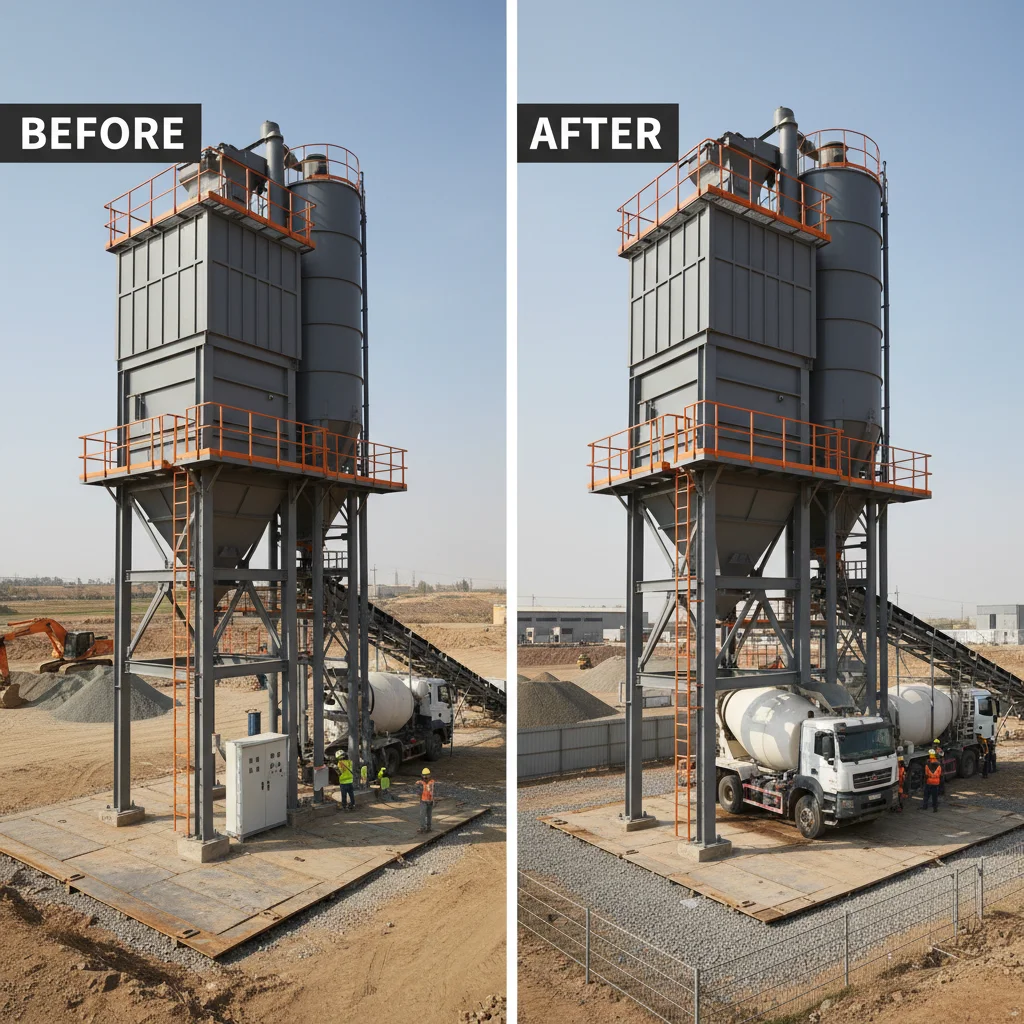
The beauty of these plants is minimal site preparation. A relatively level and stable surface is all that’s needed. We recommend compacting the ground to ensure stability, but a poured concrete foundation is not required. This saves significant time and cost, making them ideal for challenging or remote locations.
Concrete quality is comparable, and often even superior. Mobile plants allow for precise control over mix designs and ingredient proportions. We utilize high-quality components and rigorous quality control procedures to ensure that the concrete meets or exceeds industry standards. Plus, reducing transportation time minimizes slump loss and ensures consistent quality on-site.
With proper maintenance and care, a mobile plant can have a lifespan of 10-15 years or even longer. We use durable materials and robust construction techniques to ensure longevity. Regular inspections, preventative maintenance, and timely repairs are key to maximizing the plant's service life.
Yes, environmental regulations vary by location. It’s crucial to comply with local air and water quality standards, as well as waste management requirements. We can provide guidance on navigating these regulations and ensuring environmentally responsible operation. Our plants are designed to minimize dust emissions and water usage.
Operating costs include electricity, water, labor, raw materials (aggregates, cement, admixtures), and maintenance. However, these costs are often offset by significant savings in transportation and reduced material waste. A detailed cost analysis can be provided based on your specific project requirements.
Conclusion
Foundation-free mobile concrete batching plants represent a paradigm shift in concrete production. They offer a compelling combination of cost savings, efficiency, flexibility, and sustainability, addressing the evolving needs of the construction industry. From remote projects to disaster relief efforts, these plants are proving their value in a wide range of applications.
Looking ahead, I anticipate continued innovation in this space, with a focus on automation, digitalization, and the use of sustainable materials. Embracing these technologies will further enhance the efficiency and environmental performance of mobile concrete production, paving the way for a more resilient and sustainable construction future. If you’re looking for a way to streamline your concrete supply, reduce costs, and minimize your environmental impact, I encourage you to explore the possibilities of a foundation-free mobile plant. Visit our website: www.batchplantpro.com