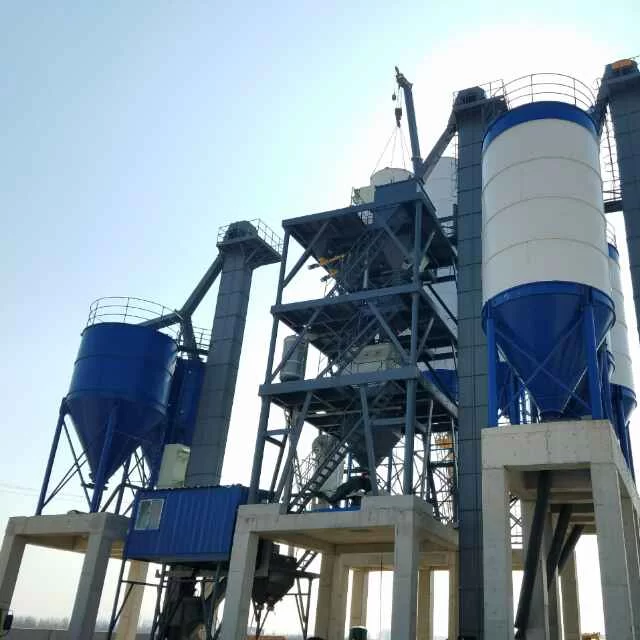
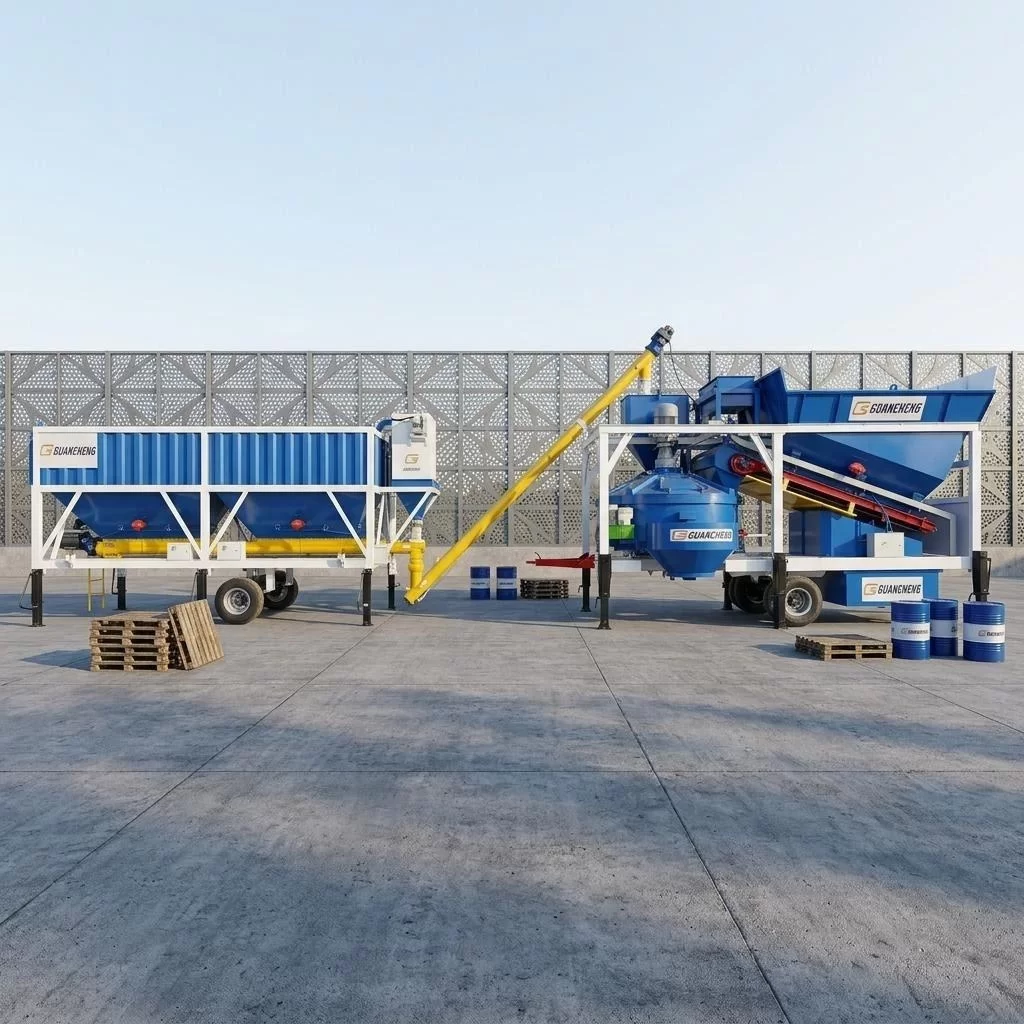
Mobile Concrete Mixing Plant Solutions for Japan

Mobile Concrete Mixing Plant Solutions for Japan

Providing advanced concrete mixing solutions tailored for the Japanese construction market.

Mobile Concrete Mixing Plant Solutions for Japan

Delivering high-performance mobile concrete mixing plants designed to meet the stringent quality and efficiency demands of Japanese infrastructure projects.

Current State of the Construction Equipment Industry in Japan

Analysis of the Japanese market for concrete batching and mixing equipment.

Japan’s construction sector, while mature, remains a significant contributor to the national economy. A key characteristic is the high demand for quality, reliability, and increasingly, environmentally friendly solutions. The aging population and shrinking workforce create a strong need for automated and efficient equipment like Mobile Concrete Mixing Plant to minimize labor costs and maximize productivity.

The Japanese construction landscape is heavily influenced by its geographical challenges – mountainous terrain, frequent seismic activity, and limited space in urban areas. This drives demand for compact, highly mobile, and robust equipment. Concrete Batching Plant must be adaptable to diverse project sites and capable of withstanding demanding conditions.

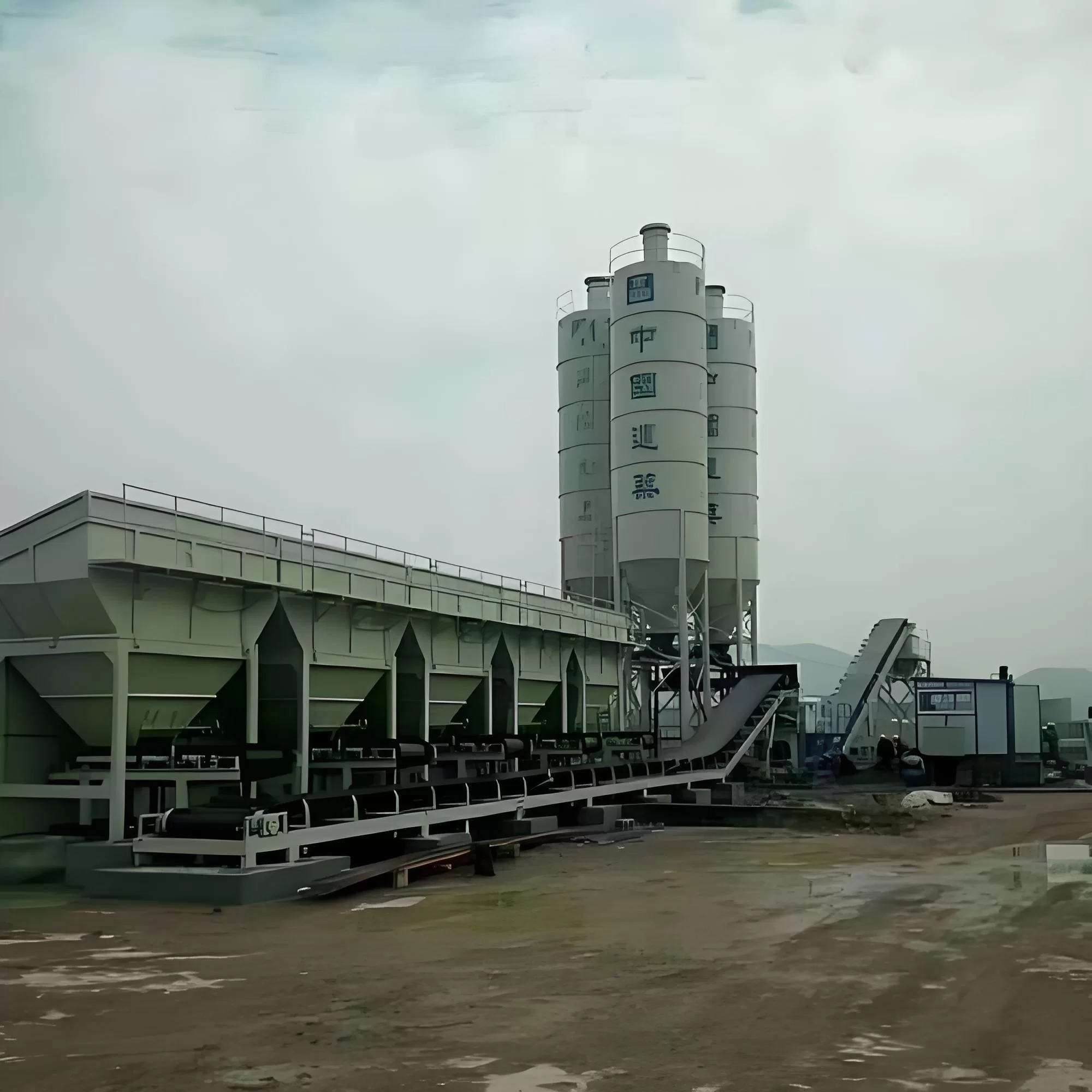
Strict building codes and environmental regulations further shape the market. Equipment manufacturers are compelled to innovate with technologies that reduce noise pollution, dust emissions, and energy consumption. There's a growing preference for plants capable of producing specialized concrete mixes, catering to specific project requirements, including those utilizing Stabilized Soil Batching Plant for foundation work.
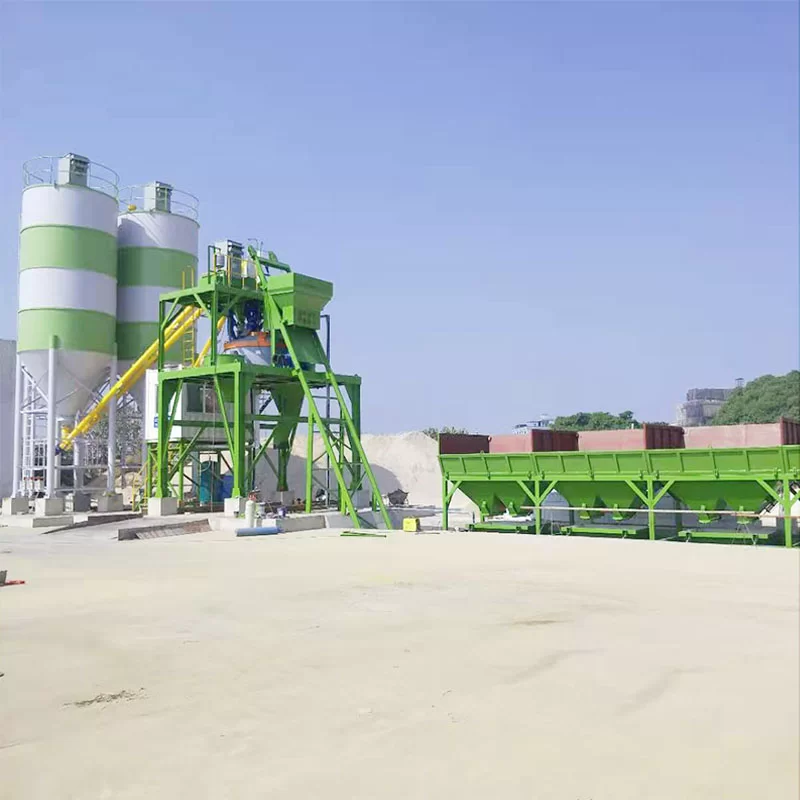
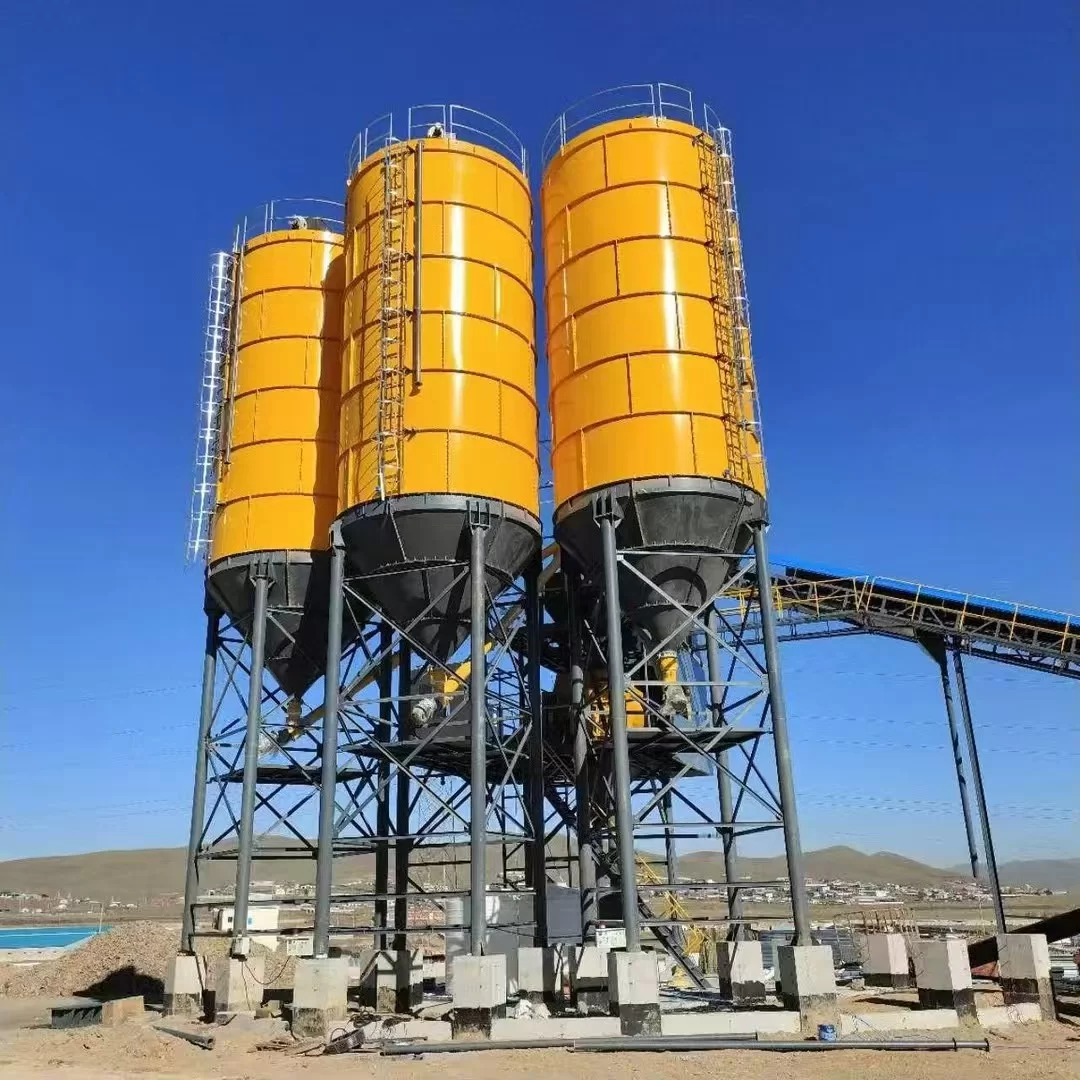
Evolution of Concrete Mixing Technology in Japan

Tracing the development of concrete mixing equipment from traditional methods to modern innovations.

Market Development History

Historically, concrete mixing in Japan relied heavily on manual labor and site-mixed concrete. Post-WWII reconstruction in the 1950s spurred the adoption of basic stationary Concrete Batching Plant to meet the rapid demand for building materials.

The 1980s and 90s witnessed a shift towards greater automation and pre-mixed concrete. The introduction of computer-controlled batching systems significantly improved accuracy and efficiency. This period also saw the rise of transit mixers, enabling on-site delivery of ready-mix concrete.

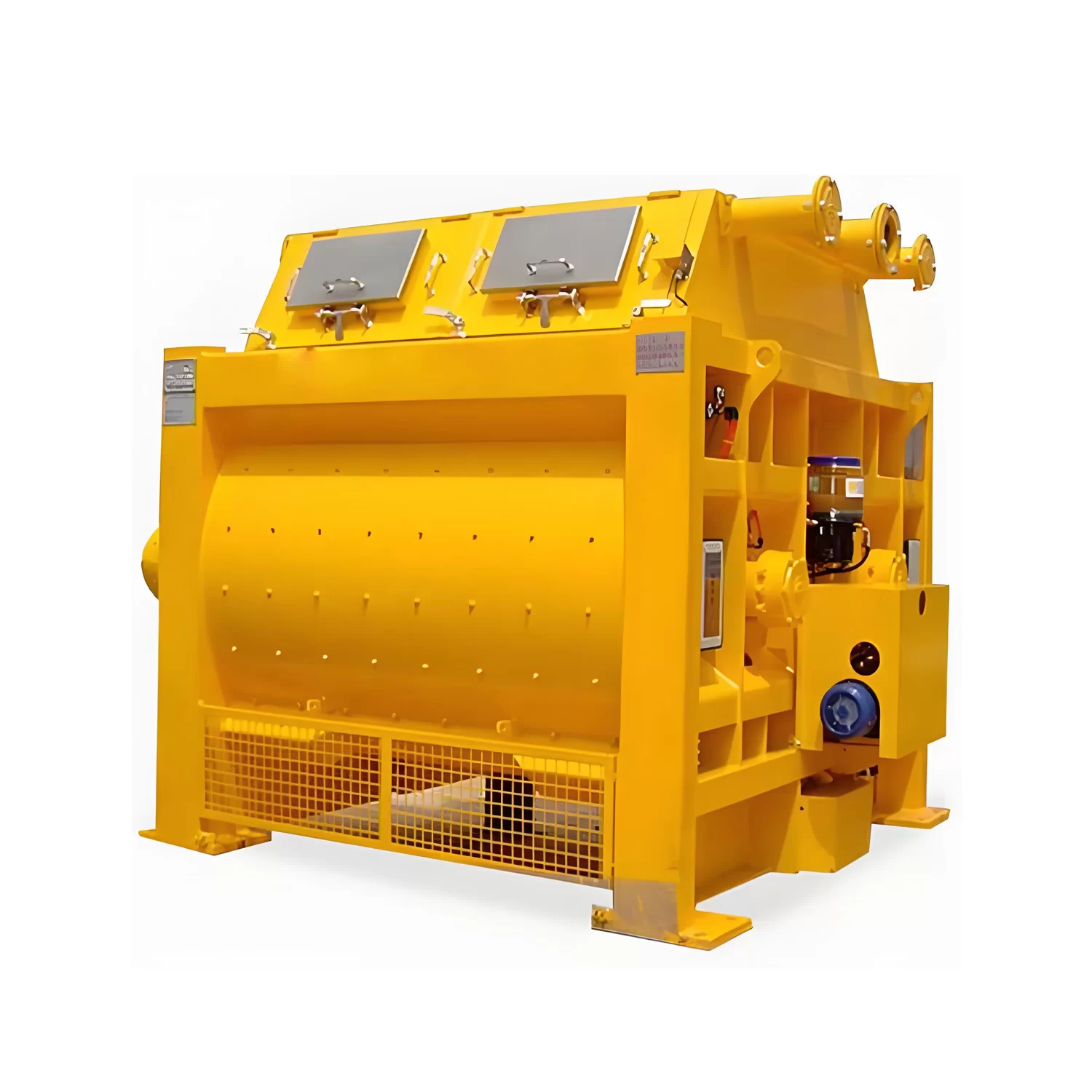
In the 21st century, the focus has shifted to mobility, sustainability, and specialization. Mobile Concrete Mixing Plant gained prominence due to their versatility and suitability for Japan’s challenging terrain. Innovation in mixing technologies, such as the adoption of Vertical Shaft Planetary Mixer for specialized concrete mixes, is now crucial.

Future Development Trends

Automation & IoT Integration

The integration of Internet of Things (IoT) sensors and automation technologies will become increasingly prevalent. Real-time monitoring of plant performance, remote diagnostics, and predictive maintenance will be standard features.

Sustainable Concrete Production

Demand for eco-friendly concrete mixes and reduced carbon footprints will drive innovation in mixing technologies and material selection. Plants capable of incorporating recycled aggregates and supplementary cementitious materials will gain market share.

Compact & Modular Designs

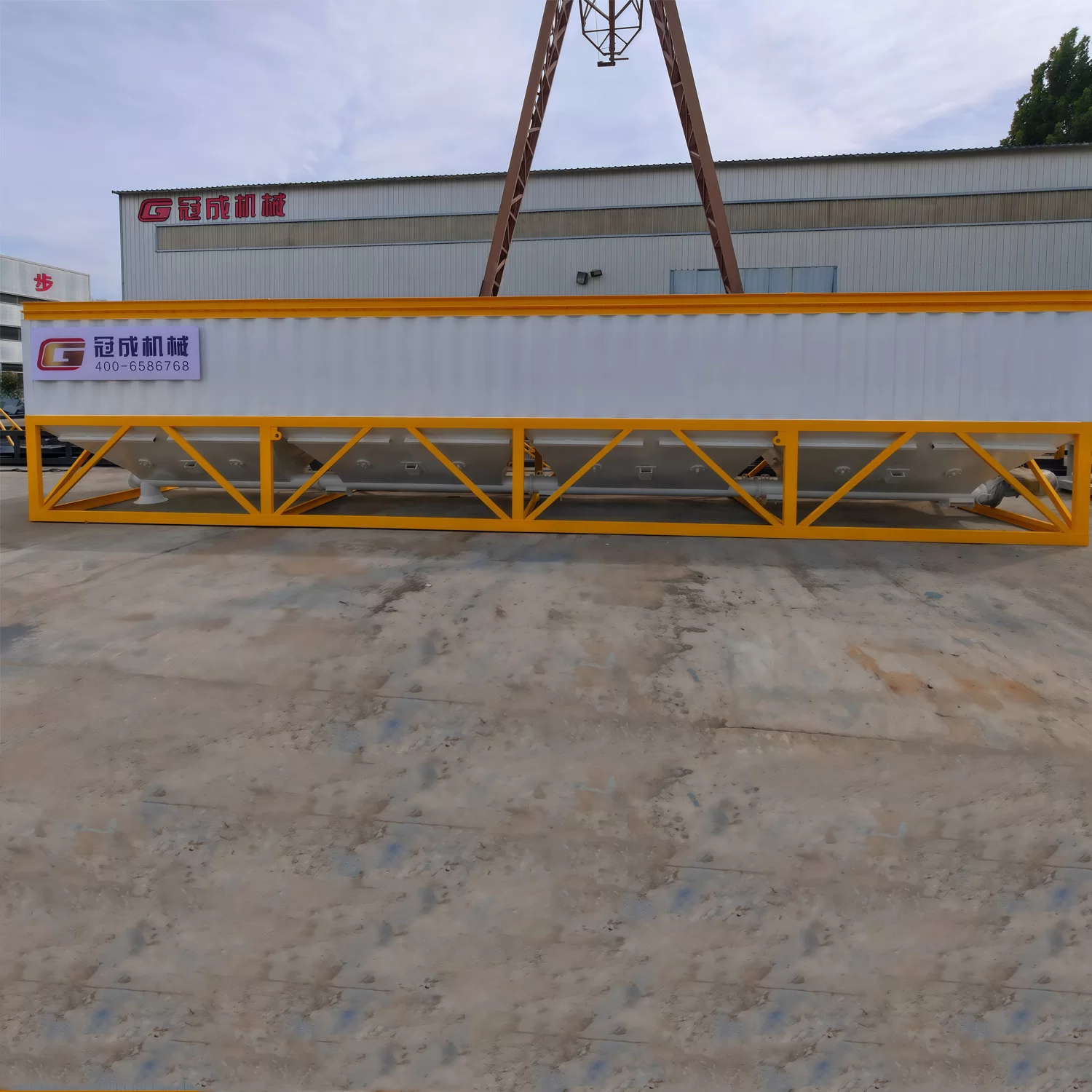
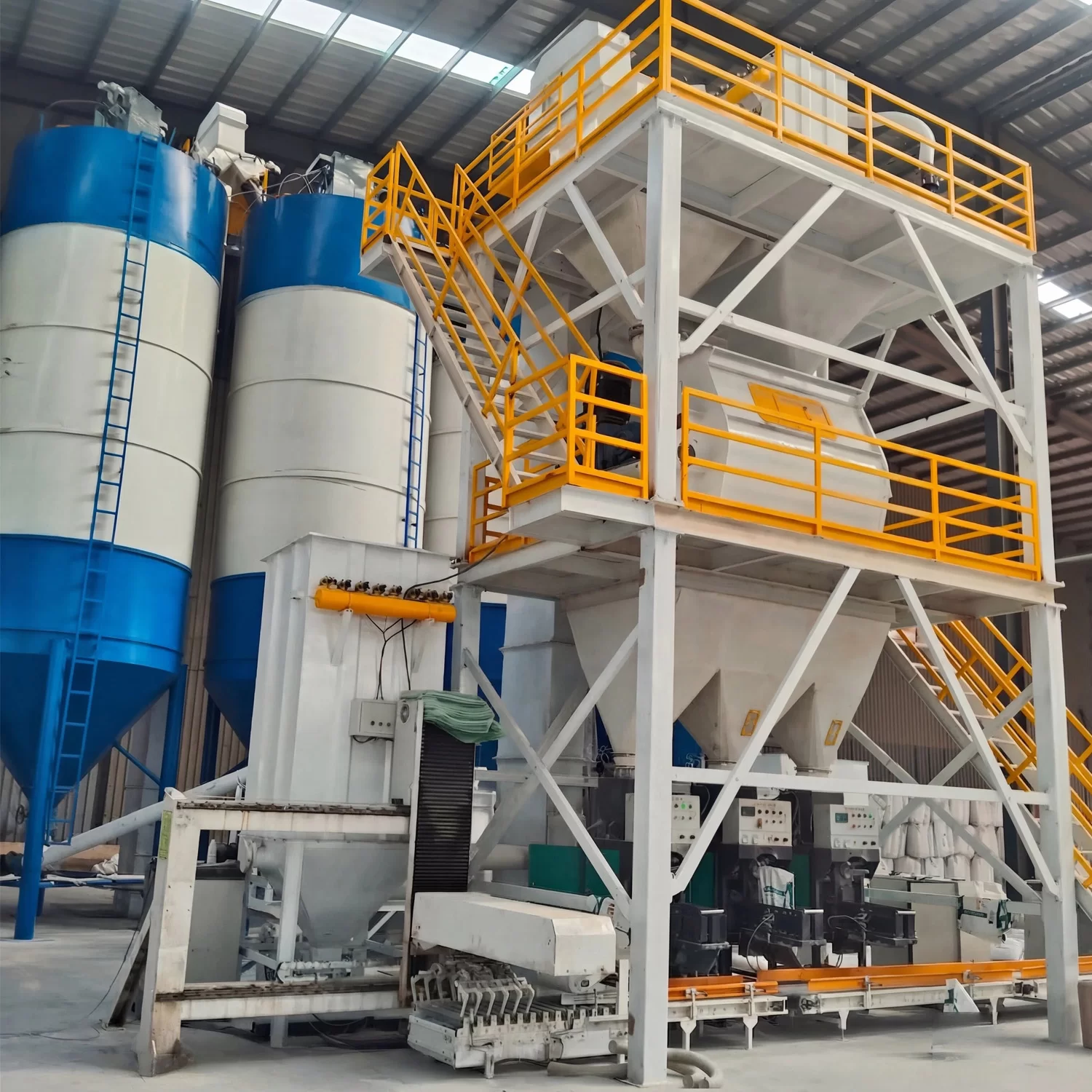
Given space constraints in urban areas, there will be a growing demand for compact and modular Dry Mortar Batching Plant and concrete mixing plants that can be easily transported and assembled on-site.

Industry Trends & Future Outlook for Concrete Mixing in Japan

Predicting the evolution of the concrete mixing industry in Japan over the next 3-5 years.

Increased Demand for Compact Plants
Japan’s limited space necessitates smaller, more portable batching plants, creating a significant market opportunity.
Focus on Sustainable Solutions
Growing environmental consciousness will drive demand for plants with reduced emissions and the capability to utilize recycled materials.
Increased Automation & Remote Monitoring
IoT-enabled plants will provide real-time data, improve efficiency, and reduce the need for manual intervention.
Demand for Specialized Concrete Mixes
Increased infrastructure projects requiring high-performance and specialized concrete will drive innovation in mixing technologies.

Industry Outlook

The Japanese construction equipment market is expected to grow steadily over the next five years, driven by infrastructure investments and reconstruction projects. Emphasis on sustainability and automation will be key differentiators for equipment manufacturers.

Manufacturers who can offer adaptable, high-quality, and environmentally responsible solutions will be well-positioned to succeed in this demanding market. The need for reliable Mobile Concrete Mixing Plant and advanced batching technology will remain strong.

Local Application Scenarios in Japan

Specific use cases for concrete mixing equipment in Japan.

1. Tunnel Construction for Shinkansen (Bullet Train) Projects

The ongoing expansion of the Shinkansen network requires durable, high-strength concrete for tunnel linings. Mobile Concrete Mixing Plant provide the flexibility to deliver concrete directly to remote tunnel access points.

2. Earthquake-Resistant Building Construction in Urban Areas

Japan’s seismic activity demands specialized concrete mixes with enhanced ductility and strength. Vertical Shaft Planetary Mixer are crucial for consistently producing these complex formulations.

3. Road Repair and Infrastructure Maintenance in Mountainous Regions

Repairing and maintaining roads in Japan’s mountainous terrain requires portable and robust equipment. Stabilized Soil Batching Plant is utilized for improving the foundation.

4. Prefabricated Concrete Element Production for Housing

Increasing demand for prefabricated concrete elements for housing construction requires reliable and efficient batching solutions. Dry Mortar Batching Plant is highly used for this case.

5. Dam and Hydroelectric Power Plant Construction

Japan’s reliance on hydroelectric power necessitates ongoing maintenance and construction of dams and power plants. High-quality concrete produced by efficient batching plants is crucial for these projects.

Brand Story

Shandong Guancheng Machinery Technology Co., Ltd.'s Global Development Journey

Foundation & Commitment to Quality (2008)

Founded in 2008, Shandong Guancheng Machinery Technology Co., Ltd. began with a core commitment to delivering high-quality construction equipment, specializing in concrete batching and mixing solutions.

Innovation & Technological Advancement (2015)

In 2015, we invested heavily in research and development, focusing on automation, efficiency, and sustainability in our product designs.

Global Expansion & Market Reach (2018)

We expanded our market reach internationally, exporting our equipment to key regions including Southeast Asia and the Middle East.

Focus on Customer-Centric Solutions (2020)

We adopted a customer-centric approach, tailoring our solutions to meet the specific needs of diverse projects and clients.

Continued Growth & Sustainable Practices (2023+)

Today, we remain dedicated to innovation, sustainability, and providing reliable, high-performance concrete mixing solutions to our global customer base.

Complete Product Portfolio for the Japanese Market

Explore our full range of concrete mixing solutions.

Frequently Asked Questions – Local to Japan

Answers to common questions about concrete mixing equipment in Japan.

What seismic standards should I consider when selecting a concrete batching plant for Japan?

Japanese building codes are particularly stringent regarding earthquake resistance. Look for plants designed and certified to withstand seismic forces according to Japanese Industrial Standards (JIS). Foundation design is also critical.

Are there specific noise regulations I need to be aware of when operating a concrete mixing plant in a Japanese city?

Yes, many Japanese cities have strict noise ordinances. Choose plants with noise reduction features, such as enclosed mixers and soundproof enclosures. Ensure compliance with local regulations.

What types of concrete mixes are commonly used in Japanese infrastructure projects, and what equipment is best suited for producing them?

High-strength, high-durability concrete mixes are prevalent. A Vertical Shaft Planetary Mixer is ideal for producing these specialized formulations, ensuring consistent quality and homogenous mixing.

How can a mobile concrete mixing plant help with projects in Japan's mountainous terrain?

Mobile plants eliminate the need for long-distance concrete transport, reducing costs and ensuring timely delivery to remote sites. Their compact size and maneuverability make them ideal for navigating challenging terrain.

What are the benefits of using a stabilized soil batching plant in Japanese construction?

Stabilized soil batching plants improve the bearing capacity of the soil, reducing the need for extensive excavation and foundation work, which is particularly beneficial in areas prone to landslides or unstable ground conditions.

What kind of after-sales service and support is available for your concrete mixing plants in Japan?

We offer comprehensive after-sales service, including installation, commissioning, training, and ongoing maintenance support. We have a network of qualified technicians available to provide prompt assistance.

Get in Touch with Us Today

Contact us to discuss your concrete mixing needs in Japan. Our experts are ready to provide tailored solutions.

Contact Us Now

If you are interested in our products, you can choose to leave your information here, and we will be in touch with you shortly.