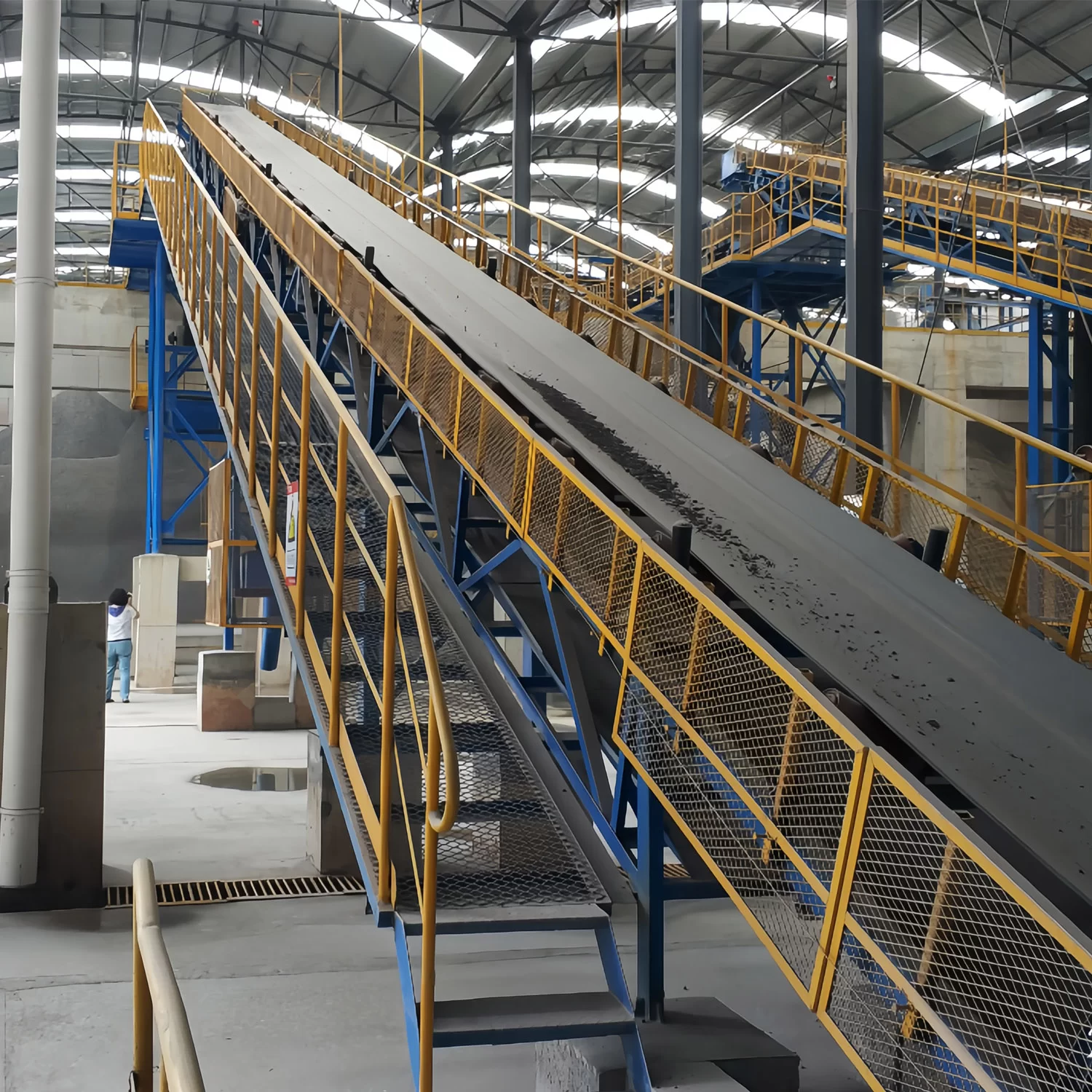
Mobile Concrete Mixing Plant Solutions for Romania

Mobile Concrete Mixing Plant Solutions for Romania

Delivering cutting-edge concrete mixing technology to the Romanian construction industry.

Mobile Concrete Mixing Plant Solutions for Romania

Providing reliable and efficient concrete mixing solutions tailored to the Romanian construction market.

Current State of Concrete Equipment in Romania

An overview of the Romanian concrete batching plant market and its unique challenges.

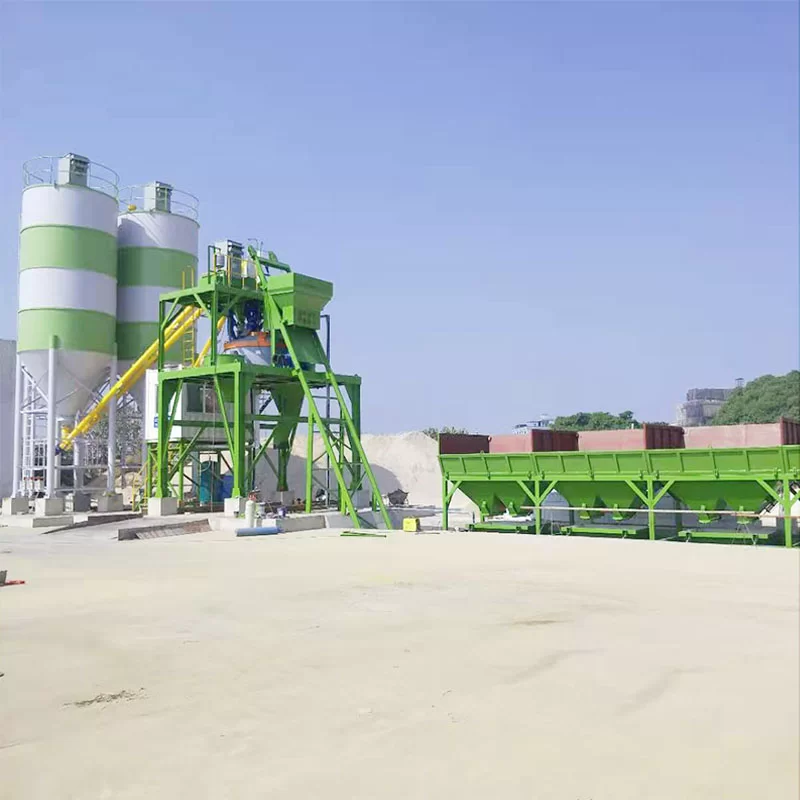
Romania's construction sector has experienced significant growth in recent years, driven by infrastructure projects and a rising demand for residential and commercial buildings. This surge in construction activity has consequently increased the demand for concrete batching plants and related equipment. However, the market is characterized by a mix of older, less efficient plants and a growing adoption of modern, technologically advanced systems. The Romanian landscape, ranging from the Carpathian Mountains to the Danube Delta, requires mobile and adaptable solutions.

A key challenge for the Romanian concrete industry is navigating the country's varying regional regulations and ensuring compliance with EU standards. Companies are also increasingly focused on sustainability, leading to a demand for stabilized soil batching plants that can utilize recycled materials and reduce environmental impact. The availability of skilled labor to operate and maintain these complex plants also presents an ongoing challenge.

Geographically, Romania’s infrastructure development is concentrated in major cities like Bucharest, Cluj-Napoca, and Timisoara, creating localized pockets of high demand for ready-mix concrete. This demand necessitates efficient and reliable mobile concrete mixing plants capable of delivering concrete to diverse construction sites quickly and cost-effectively.
Evolution of Concrete Batching Technology in Romania

Tracing the development of concrete production equipment from traditional methods to modern innovations.

Market Development History

Prior to the 1990s, Romania's concrete production was largely reliant on state-owned enterprises utilizing relatively basic and often outdated technology. The transition to a market economy in the early 1990s saw an influx of used equipment from Western Europe. The early 2000s marked a period of investment in more modern, albeit still largely imported, concrete batching plants.

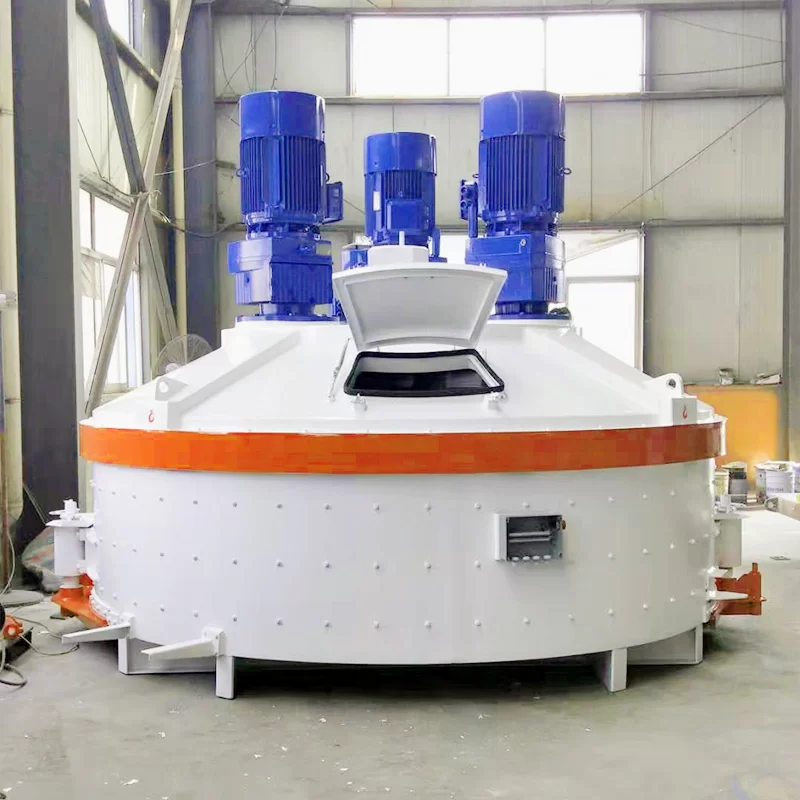
From 2010 onwards, the demand for higher-quality concrete and greater efficiency spurred the adoption of automated systems and computer-controlled batching plants. The introduction of vertical shaft planetary mixers revolutionized concrete mixing, offering improved homogeneity and reduced mixing times. This period also witnessed a growing awareness of environmental concerns.

Today, Romanian construction companies are increasingly seeking fully integrated solutions, including advanced control systems, remote monitoring capabilities, and options for incorporating supplementary cementitious materials. The focus is shifting towards sustainable practices and optimized resource utilization. The demand for dry mortar batching plants has also risen with the need for specialized construction materials.

Future Development Trends

Automation and IoT Integration

The future will see increased automation and integration of Internet of Things (IoT) devices into concrete batching plants, enabling real-time monitoring, predictive maintenance, and optimized production processes.

Sustainable Concrete Production

Focus on utilizing recycled aggregates, supplementary cementitious materials, and alternative fuels to reduce the carbon footprint of concrete production. There's a rising trend towards eco-friendly concrete mixes.

Modular and Mobile Solutions

Growing demand for compact, mobile, and easily deployable concrete batching plants to serve remote or temporary construction sites, particularly given Romania’s diverse terrain.

Industry Trends and Future Outlook for Concrete Equipment in Romania

Analyzing emerging trends and forecasting the future of the concrete batching plant market in Romania.

Increased Demand for Mobile Plants
Romania's diverse geography and infrastructure projects drive demand for portable concrete mixing solutions.
Focus on Sustainable Solutions
Growing emphasis on eco-friendly concrete production using recycled materials and reduced cement content.
Digitalization and Remote Monitoring
Integration of IoT sensors and cloud-based platforms for real-time data analysis and remote plant management.
Growing Demand for Specialized Mixes
Increased need for dry mortar batching plants and plants capable of producing high-performance and customized concrete mixes.

Industry Outlook

The Romanian concrete equipment market is projected to grow steadily over the next 3-5 years, driven by ongoing infrastructure investments and a rebound in the residential construction sector. The demand for technologically advanced and sustainable solutions will continue to increase.

Companies that can offer integrated solutions, including plant design, installation, maintenance, and training, will be well-positioned to succeed. Adapting to the evolving needs of the Romanian construction industry, such as the demand for mobile and eco-friendly equipment, will be crucial for long-term growth.

Local Application Scenarios for Concrete Batching Plants in Romania

Real-world examples of how concrete batching plants are utilized in various construction projects across Romania.

1. Bucharest Metro Expansion

Supplying high-volume concrete for the ongoing expansion of the Bucharest Metro system, requiring reliable and efficient concrete batching plants located near construction sites.

2. Danube River Bridge Construction

Providing durable concrete for the construction of new bridges across the Danube River, demanding high-quality mobile concrete mixing plants capable of operating in challenging environmental conditions.

3. Transylvania Highway Development

Delivering concrete for the construction of the Transylvania Highway, requiring multiple concrete batching plants strategically located along the route to ensure timely supply.

4. Residential Housing Projects in Cluj-Napoca

Supplying concrete for the booming residential construction market in Cluj-Napoca, utilizing compact and versatile concrete batching plants to meet the demands of smaller projects.

Brand Story

Shandong Guancheng Machinery Technology Co., Ltd.'s global development journey.

Commitment to Innovation

Since our inception, we've dedicated ourselves to pushing the boundaries of concrete mixing technology, striving for higher efficiency and performance.

Focus on Quality

We adhere to stringent quality control standards throughout the manufacturing process, ensuring the reliability and durability of our equipment.

Customer-Centric Approach

We prioritize understanding our customers' needs and providing tailored solutions to meet their specific challenges.

Sustainable Practices

We are committed to developing eco-friendly concrete mixing solutions that minimize environmental impact and promote sustainability.

Global Reach

We serve customers worldwide, providing reliable and efficient concrete mixing solutions to diverse construction projects.

Complete Product Range for the Romanian Market

Explore our extensive portfolio of concrete mixing solutions designed to meet the needs of Romanian construction companies.

Frequently Asked Questions About Concrete Batching Plants in Romania

Addressing common questions from our Romanian clients regarding concrete mixing equipment.

What is the typical lifespan of a mobile concrete mixing plant in the Romanian climate?

With proper maintenance, a high-quality mobile concrete mixing plant can last 15-20 years in the Romanian climate, even with exposure to varying temperatures and humidity levels. Regular inspections and preventative maintenance are crucial.

What are the key regulatory requirements for operating a concrete batching plant in Romania?

Operating a concrete batching plant in Romania requires adherence to environmental regulations (waste management, noise pollution), construction permits, and safety standards. Compliance with EU norms is also essential.

What is the cost of setting up a small-scale dry mortar batching plant in Romania?

The cost of setting up a small-scale dry mortar batching plant in Romania typically ranges from €50,000 to €150,000, depending on the capacity, level of automation, and specific equipment included.

How do vertical shaft planetary mixers compare to traditional pan mixers in terms of concrete quality?

Vertical shaft planetary mixers generally produce more homogeneous and consistent concrete compared to traditional pan mixers due to their unique mixing action and shorter mixing times.

What maintenance is required for a stabilized soil batching plant to ensure long-term performance?

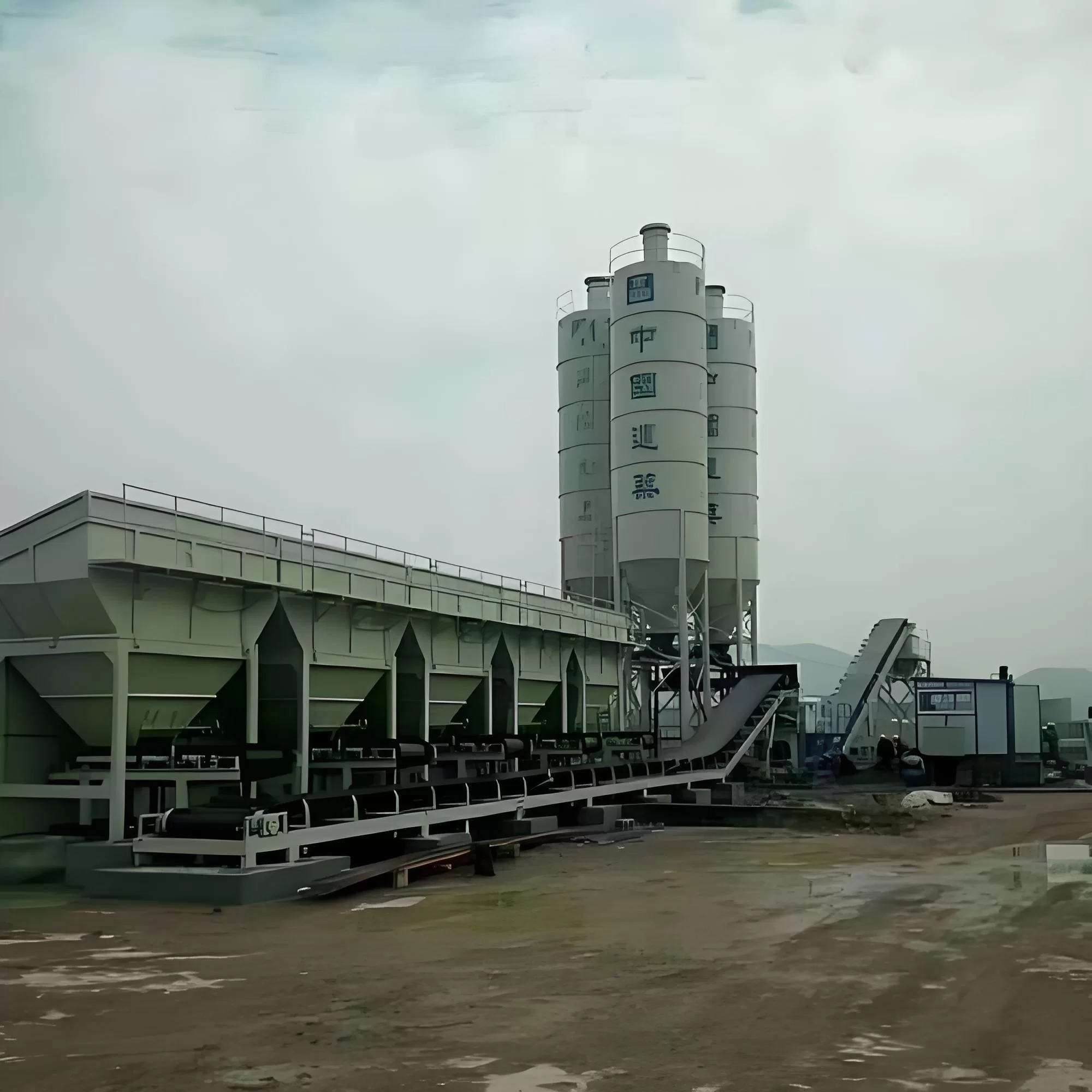
Regular maintenance for a stabilized soil batching plant includes inspecting and lubricating moving parts, checking conveyor belts, cleaning dust collectors, and calibrating sensors.

Can your concrete batching plants be integrated with remote monitoring systems for real-time performance tracking?

Yes, our concrete batching plants can be equipped with IoT sensors and integrated with remote monitoring systems, allowing for real-time tracking of production data, equipment status, and performance metrics.

Get in Touch with Us

Ready to discuss your concrete mixing needs in Romania? Contact us today for a personalized consultation.

Contact Us Now

If you are interested in our products, you can choose to leave your information here, and we will be in touch with you shortly.