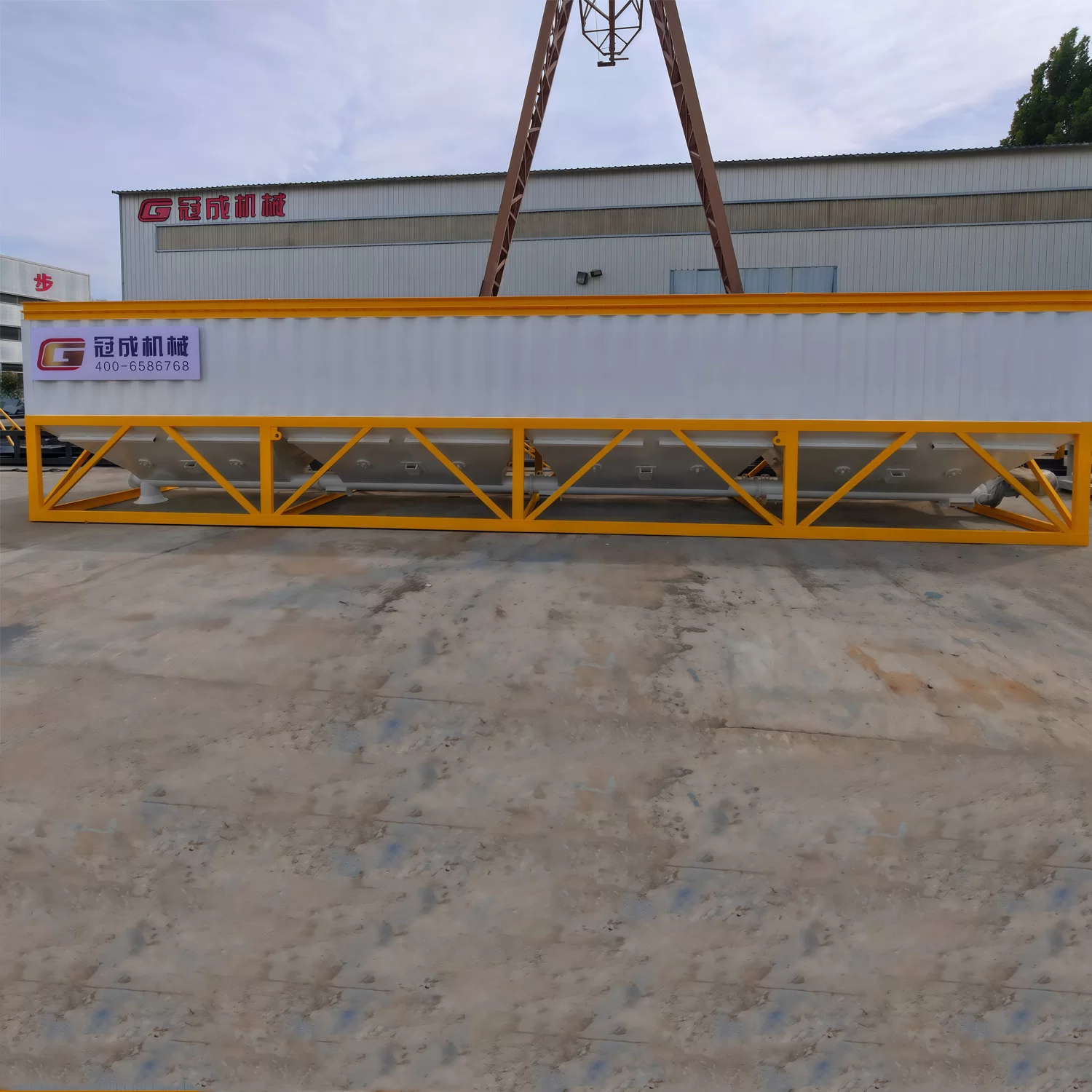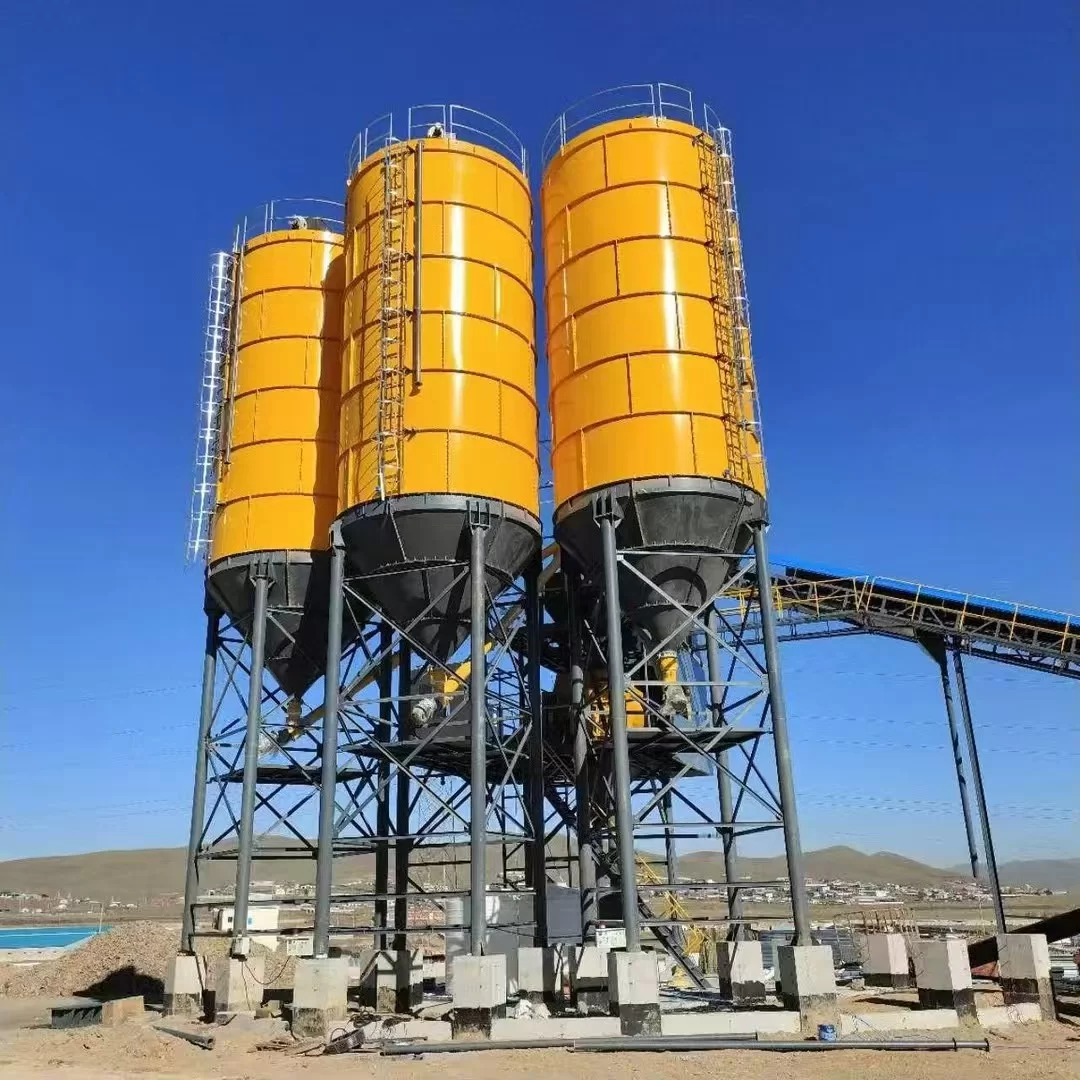
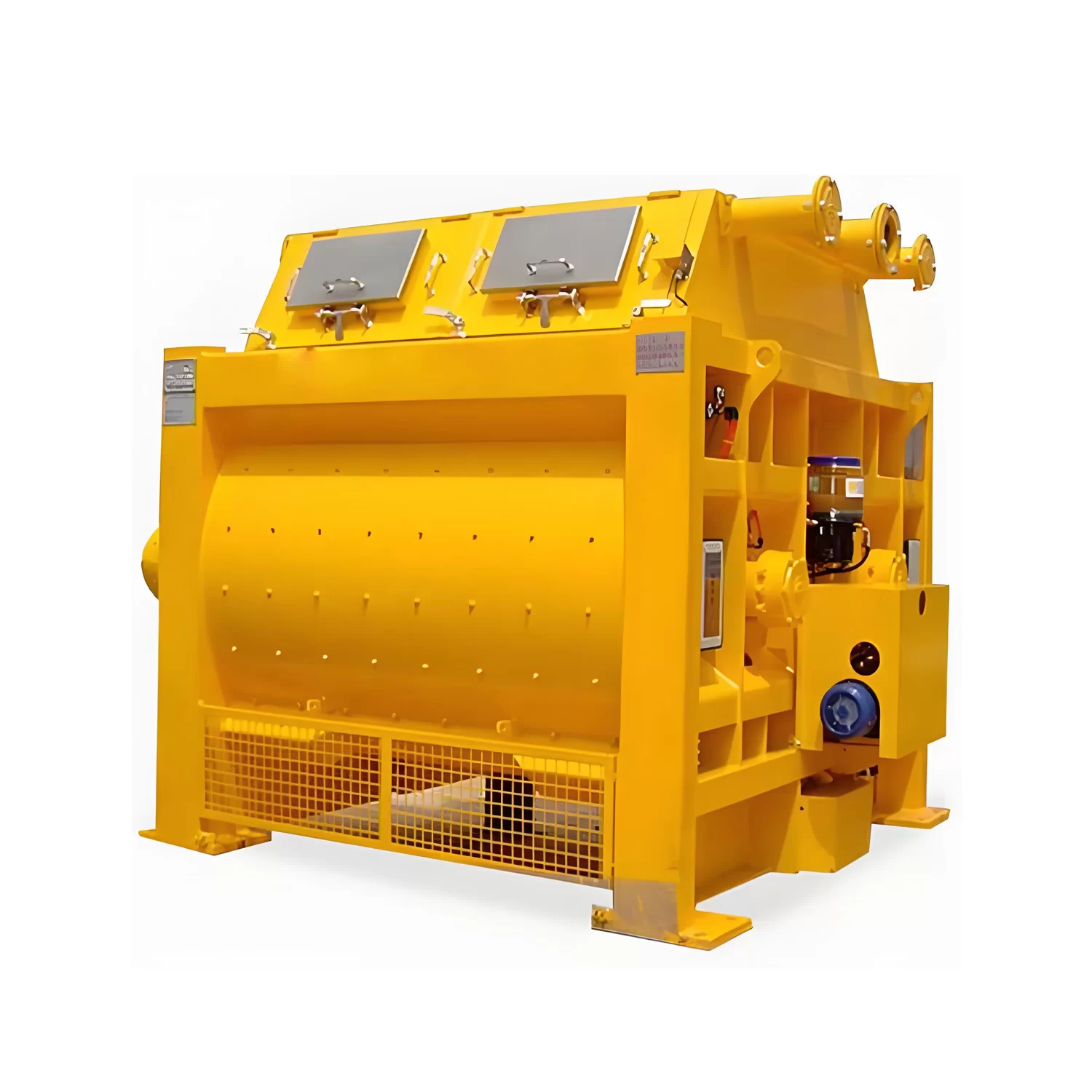
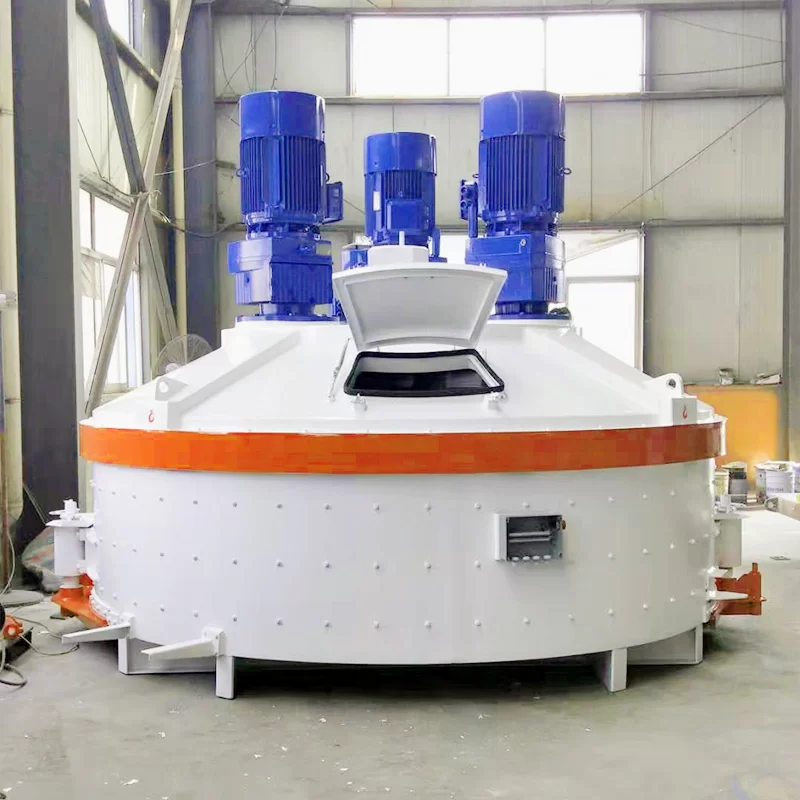
Mobile Concrete Mixing Plant Solutions for South Africa

Mobile Concrete Mixing Plant Solutions for South Africa

Providing reliable and efficient concrete mixing solutions for the construction industry in South Africa.

Mobile Concrete Mixing Plant Solutions

Delivering high-quality mobile concrete mixing plants to meet the demanding needs of South African construction projects.

Current State of the Concrete Batching Industry in South Africa

An overview of the challenges and opportunities in the South African concrete batching market.

South Africa’s construction sector is a vital component of its economy, driven by infrastructure development, residential projects, and mining activities. Demand for ready-mix concrete is significant, but often concentrated in major urban centers. Efficient and reliable Concrete Batching Plant solutions are critical to meeting this demand. Logistical challenges, including distances between project sites and the need for adaptability, are key factors influencing equipment choices.

The availability of skilled labor and access to quality aggregates are also important considerations. Climate variations across South Africa, from humid coastal regions to arid inland areas, necessitate robust and durable equipment capable of withstanding harsh conditions. The increasing emphasis on sustainable construction practices is also impacting the industry.

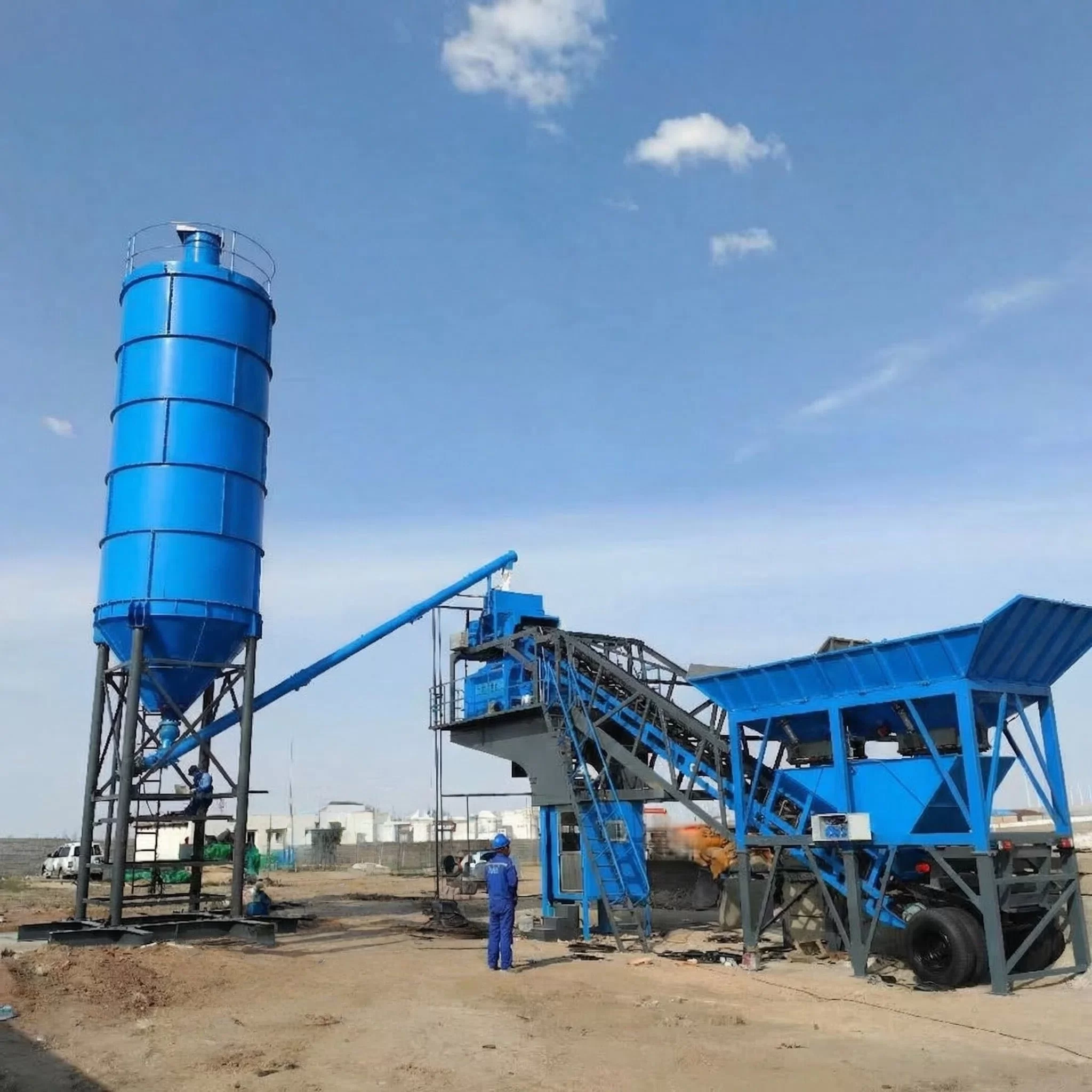
Currently, there's a growing trend towards mobile and compact Mobile Concrete Mixing Plant units, as they offer flexibility and reduced setup costs, especially on remote sites. This is coupled with an increasing demand for plants that can handle specialized concrete mixes, including those incorporating supplementary cementitious materials.
Evolution of Concrete Batching Technology in South Africa

Tracing the development of concrete mixing technology from traditional methods to modern innovations.

Market Development History

Historically, concrete mixing in South Africa relied heavily on manual labor and rudimentary equipment. The 1960s and 70s saw the introduction of basic stationary concrete batching plants, largely driven by the boom in infrastructure projects. These early plants were often characterized by limited automation and lower precision.

The 1990s brought significant advancements in automation and control systems. Computerized batching and weighing systems became commonplace, improving accuracy and efficiency. The late 2000s marked the rise of Vertical Shaft Planetary Mixer technology, offering superior mixing performance and reduced wear and tear.

The last decade has seen a surge in demand for mobile and containerized plants, fueled by the need for flexibility and rapid deployment. Digitalization and remote monitoring capabilities are also becoming increasingly prevalent. South Africa is now adopting technologies like IoT sensors for predictive maintenance and real-time performance tracking.

Future Development Trends

Automation and Robotics

Increased automation, including the use of robotic arms for material handling and quality control, is expected to become more widespread. This will improve efficiency, reduce labor costs, and minimize human error.

Sustainable Concrete Production

There’s a growing focus on sustainable concrete production, including the use of recycled aggregates, supplementary cementitious materials (SCMs), and water-reducing admixtures. Stabilized Soil Batching Plant technologies will play a key role in this transition.

Digitalization and Data Analytics

The integration of IoT sensors, cloud computing, and data analytics will enable real-time monitoring of plant performance, predictive maintenance, and optimized concrete mix designs. This will lead to reduced downtime and improved product quality.

Industry Trends and Future Outlook for Concrete Batching in South Africa

Exploring the emerging trends and future prospects for the concrete batching industry in South Africa.

Increased Demand for Mobile Plants
The demand for Mobile Concrete Mixing Plant solutions will continue to rise due to their flexibility and cost-effectiveness, particularly in remote construction areas.
Focus on Sustainable Materials
Growing pressure to reduce carbon footprint will drive the adoption of eco-friendly concrete mixes and recycling practices, increasing the demand for Dry Mortar Batching Plant designed for SCMs.
Digitalization and Remote Monitoring
The use of IoT and data analytics will become increasingly common for optimizing plant performance, predictive maintenance, and ensuring quality control.
Improved Efficiency and Automation
Automation will streamline processes, reduce manual intervention, and improve the overall efficiency of concrete production.

Industry Outlook

The South African concrete batching industry is poised for continued growth, driven by ongoing infrastructure development and urbanization. The adoption of advanced technologies and sustainable practices will be crucial for companies to remain competitive.

The market is expected to see increased demand for compact, mobile plants, automated systems, and solutions that support the use of alternative materials. Collaboration between equipment suppliers, concrete producers, and construction companies will be essential to drive innovation and address the challenges facing the industry.

Localized Application Scenarios in South Africa

Real-world examples of how our concrete batching solutions are being used in South Africa.

1. Rural Road Construction

A mobile concrete batching plant was deployed to a remote location in the Eastern Cape to supply concrete for a rural road upgrade project. The plant’s mobility and self-sufficiency were critical, as there was limited access to infrastructure and materials.

2. Mining Infrastructure Development

A large-scale mining operation in the Northern Cape used a stationary concrete batching plant to produce concrete for foundations, access roads, and processing facilities. The plant was customized to handle high-volume production and specific concrete mix designs.

3. Affordable Housing Projects

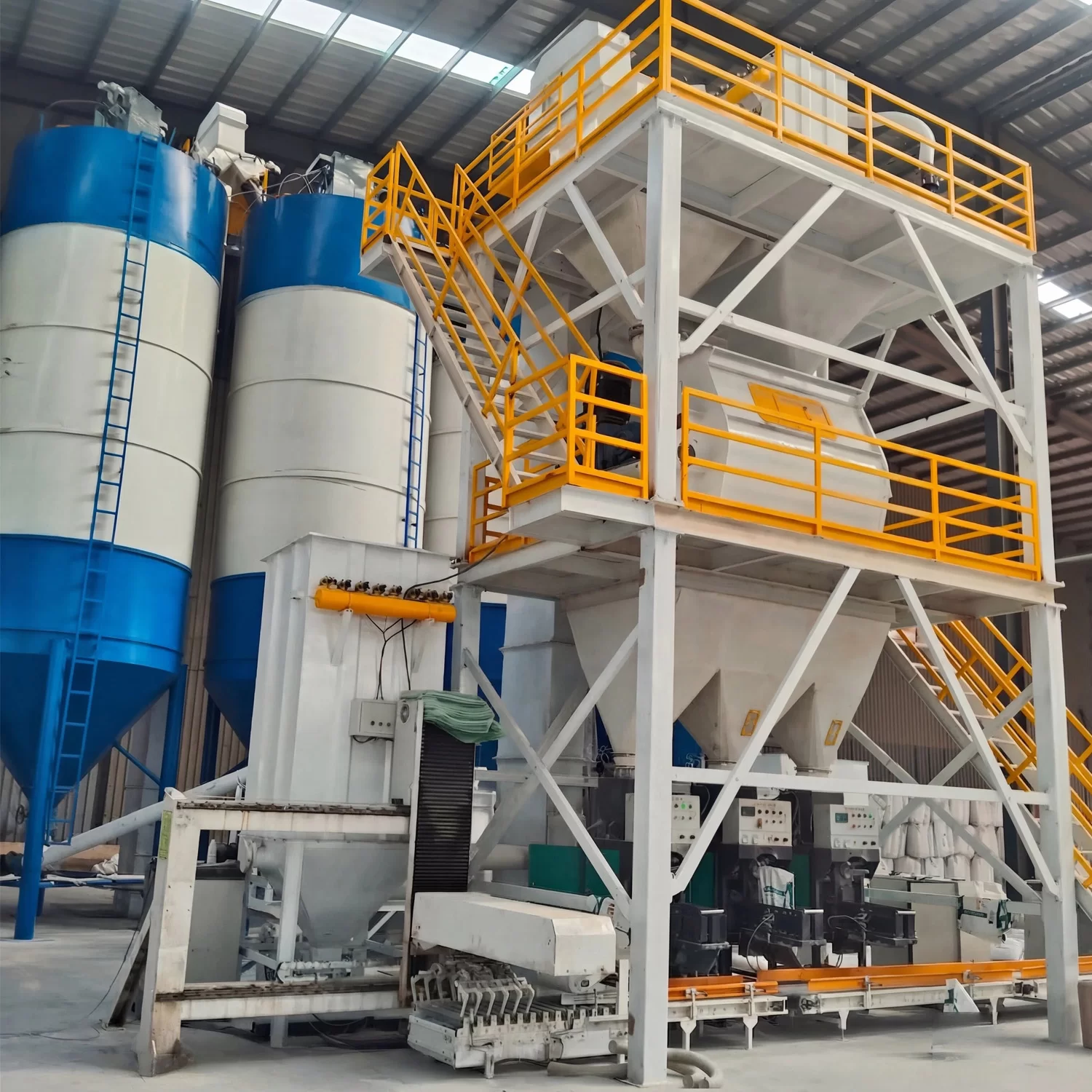
A Dry Mortar Batching Plant was utilized in a large affordable housing development near Johannesburg, providing consistent and high-quality mortar for bricklaying and plastering.

4. Bridge Construction

A specialized concrete batching plant was used in the construction of a new bridge in KwaZulu-Natal, supplying high-strength concrete for the bridge piers and deck. The plant’s accurate weighing and mixing capabilities were essential for meeting the stringent quality requirements.

Brand Story

Shandong Guancheng Machinery Technology Co., Ltd.'s global development journey

Commitment to Quality and Innovation

Founded in 2008, Guancheng Machinery began with a dedication to providing reliable and high-performance concrete batching solutions to meet the growing demands of the construction industry.

Expansion into International Markets

In 2015, we expanded our reach to international markets, establishing partnerships with distributors in Africa, Southeast Asia, and South America.

Focus on Mobile Solutions

Recognizing the need for flexibility and portability, we invested heavily in the development of mobile concrete batching plants, offering customizable solutions for diverse project requirements.

Sustainable and Efficient Technologies

We are committed to developing sustainable and energy-efficient concrete batching technologies that minimize environmental impact and reduce operating costs.

Customer-Centric Approach

Our mission is to provide exceptional customer service, offering tailored solutions, technical support, and after-sales assistance to ensure long-term satisfaction.

Complete Product Portfolio for the Region

Explore our comprehensive range of concrete batching solutions tailored for the African market.

Frequently Asked Questions – South Africa

Answers to common questions about our concrete batching solutions in South Africa.

What is the typical lead time for a mobile concrete batching plant delivery to South Africa?

Typical lead times range from 6 to 12 weeks, depending on the plant configuration, customization requirements, and shipping schedules. We strive to expedite deliveries whenever possible.

Do your concrete batching plants meet South African safety standards?

Yes, our plants are designed and manufactured to meet relevant South African safety standards, including SANS requirements. We provide all necessary documentation and certifications.

What kind of after-sales support and maintenance services do you offer in South Africa?

We offer comprehensive after-sales support, including installation, commissioning, operator training, preventive maintenance, and spare parts supply. We also have a network of qualified service technicians in South Africa.

Can your plants handle different types of cement and aggregates commonly used in South Africa?

Yes, our plants are designed to handle a wide range of cement types, aggregates, and admixtures commonly used in South African construction. We can customize the plant configuration to suit specific material properties.

What is the power consumption of a typical mobile concrete batching plant?

Power consumption varies depending on the plant capacity and features. A typical mobile plant requires between 50kW and 100kW of power. We offer energy-efficient options to minimize power consumption.

Do you offer financing options for purchasing a concrete batching plant in South Africa?

We work with several financial institutions to provide financing options for our customers in South Africa. Please contact us for more information about available financing solutions.

Get in Touch for Concrete Solutions in South Africa

We are dedicated to providing you with the best concrete batching solutions for your projects in South Africa. Contact us today to discuss your requirements.

Contact Us Now

If you are interested in our products, you can choose to leave your information here, and we will be in touch with you shortly.