

Mobile Concrete Mixing Plant Solutions for the Democratic Republic of the Congo

  • Home
  • Global Service

Mobile Concrete Mixing Plant Solutions for the Democratic Republic of the Congo

Providing robust and efficient concrete mixing solutions to support infrastructure development in the DRC.

Mobile Concrete Mixing Plant

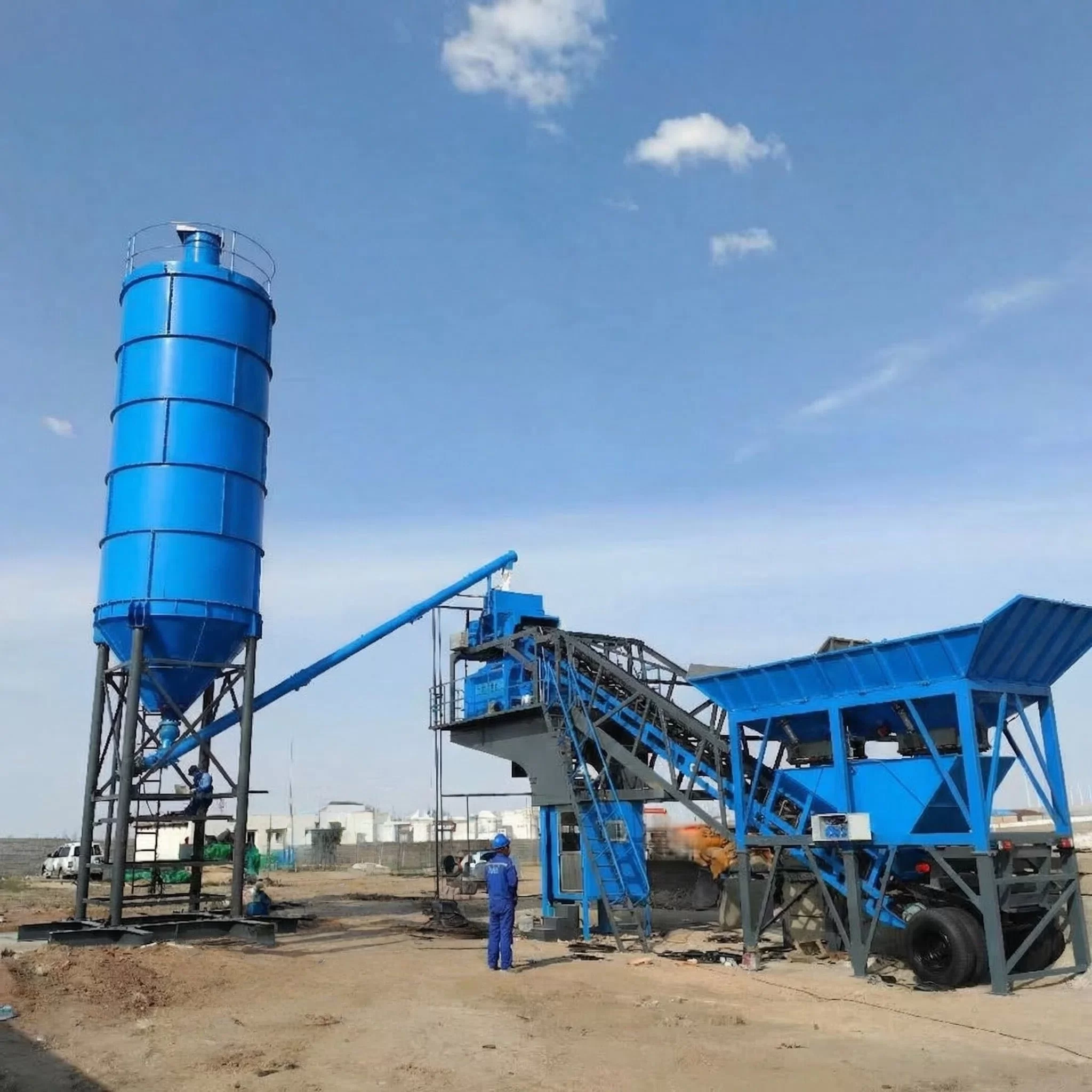
Offering cutting-edge mobile concrete mixing plants designed for optimal performance and reliability in the Democratic Republic of the Congo.

Current State of the Construction Equipment Market in the DRC

Challenges and opportunities for concrete batching and mixing equipment in the Democratic Republic of the Congo.

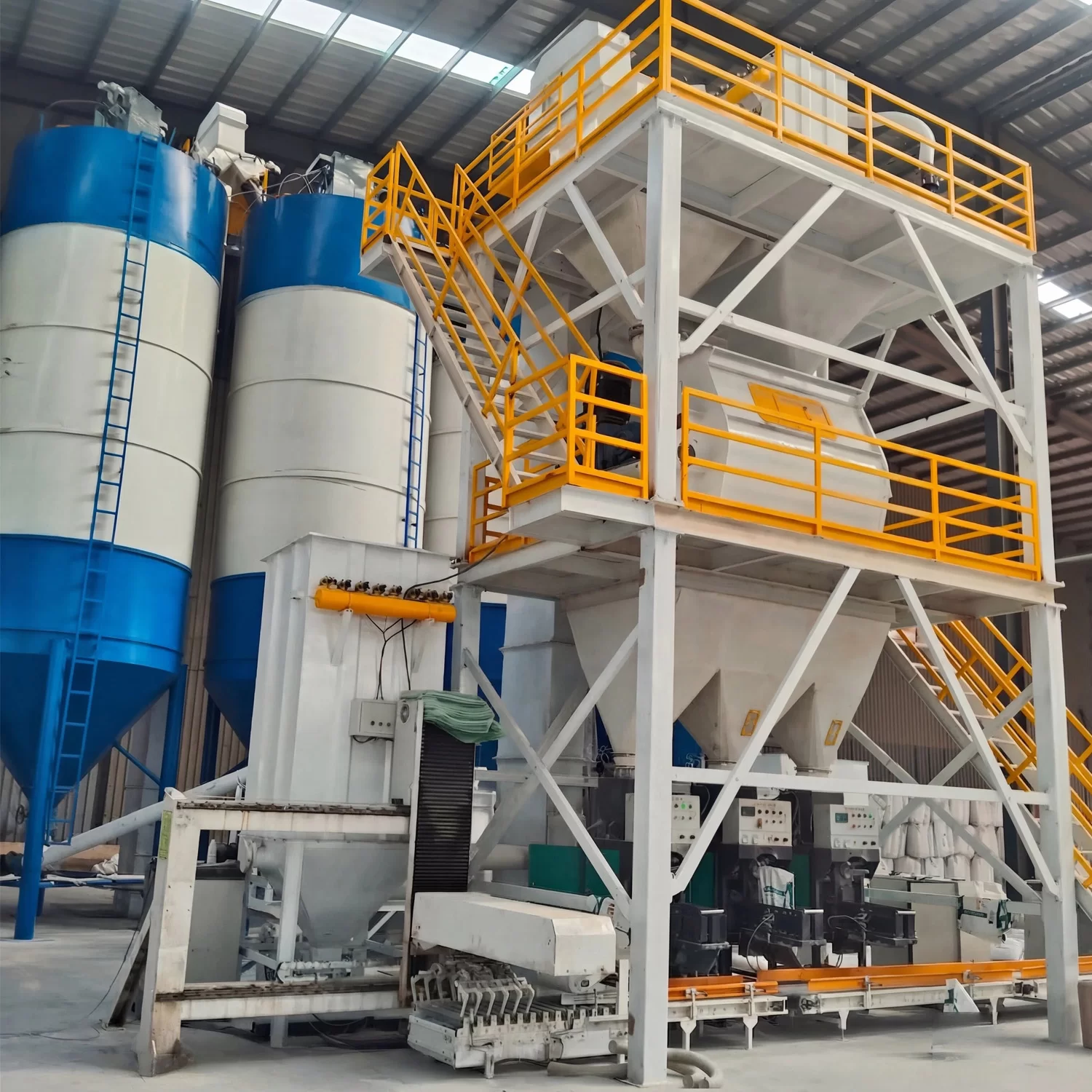
The Democratic Republic of the Congo (DRC) presents a unique market for construction equipment, driven by significant infrastructure development needs. However, the market faces challenges including logistical complexities, limited access to financing, and a reliance on imported equipment. Demand for Concrete Batching Plant solutions is increasing due to expanding urban areas and large-scale mining projects.

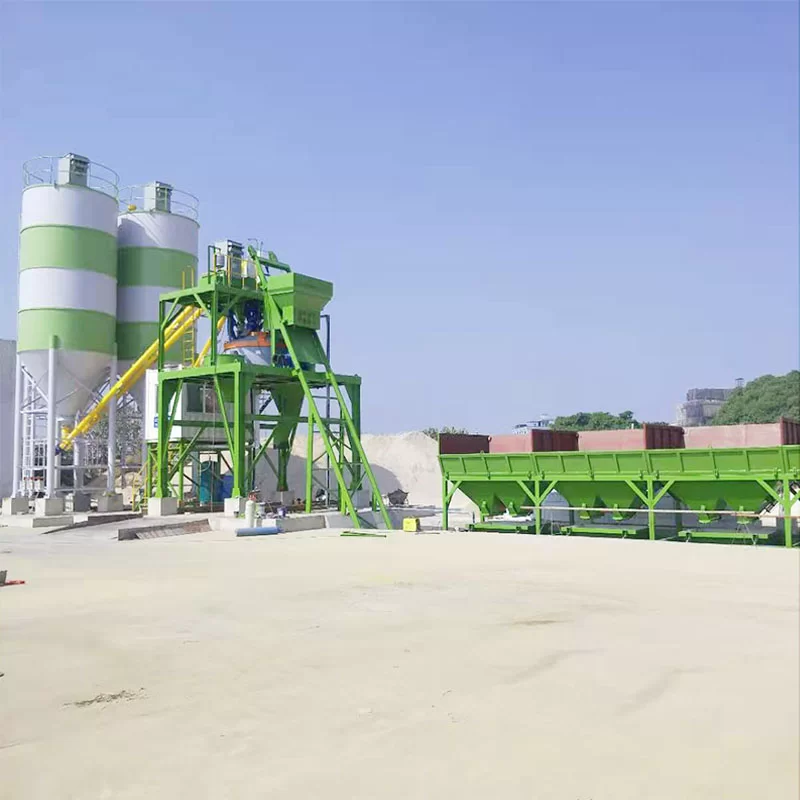
The DRC’s geography, characterized by dense rainforests and limited road networks, necessitates durable and mobile equipment. The climate, with its distinct wet and dry seasons, requires equipment capable of operating reliably in challenging weather conditions. Stabilized Soil Batching Plant options are vital for road construction projects throughout the country.

Political and economic instability can also impact the market, creating uncertainties for investors. Despite these challenges, the long-term outlook for the construction equipment market in the DRC remains positive, with growing investment in infrastructure and mining sectors fueling demand. Dry Mortar Batching Plant demand is steadily increasing.
Evolution of Concrete Mixing Technology in the DRC

Tracing the development of concrete mixing solutions from traditional methods to modern automated systems.

Market Development History

Historically, concrete mixing in the DRC was largely manual, relying on labor-intensive methods and limited quality control. From the 1980s onward, the introduction of basic stationary concrete batching plants marked the first step towards modernization. These early plants were often imported and required significant maintenance.

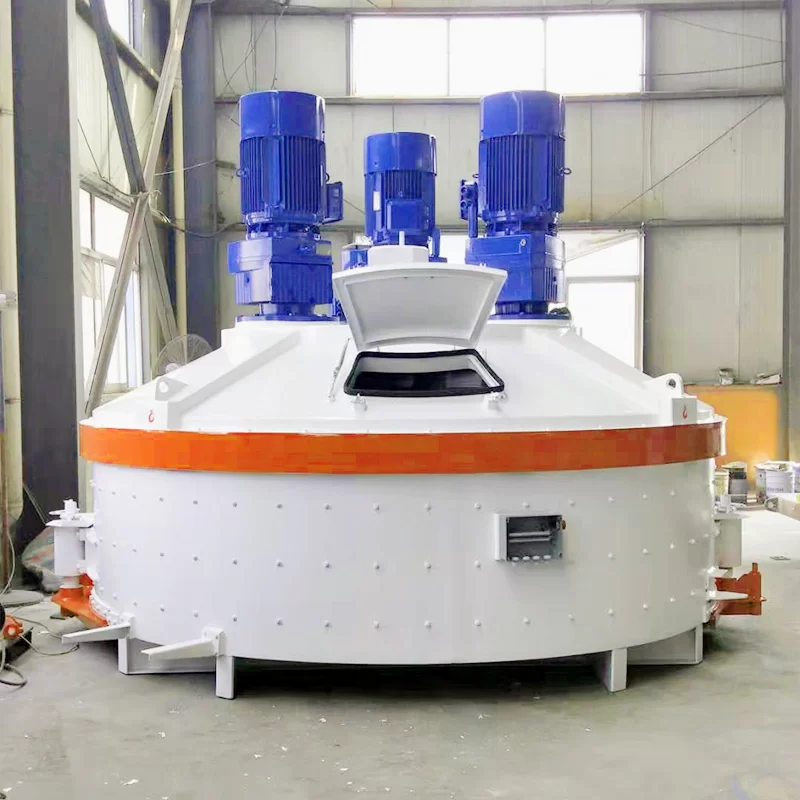
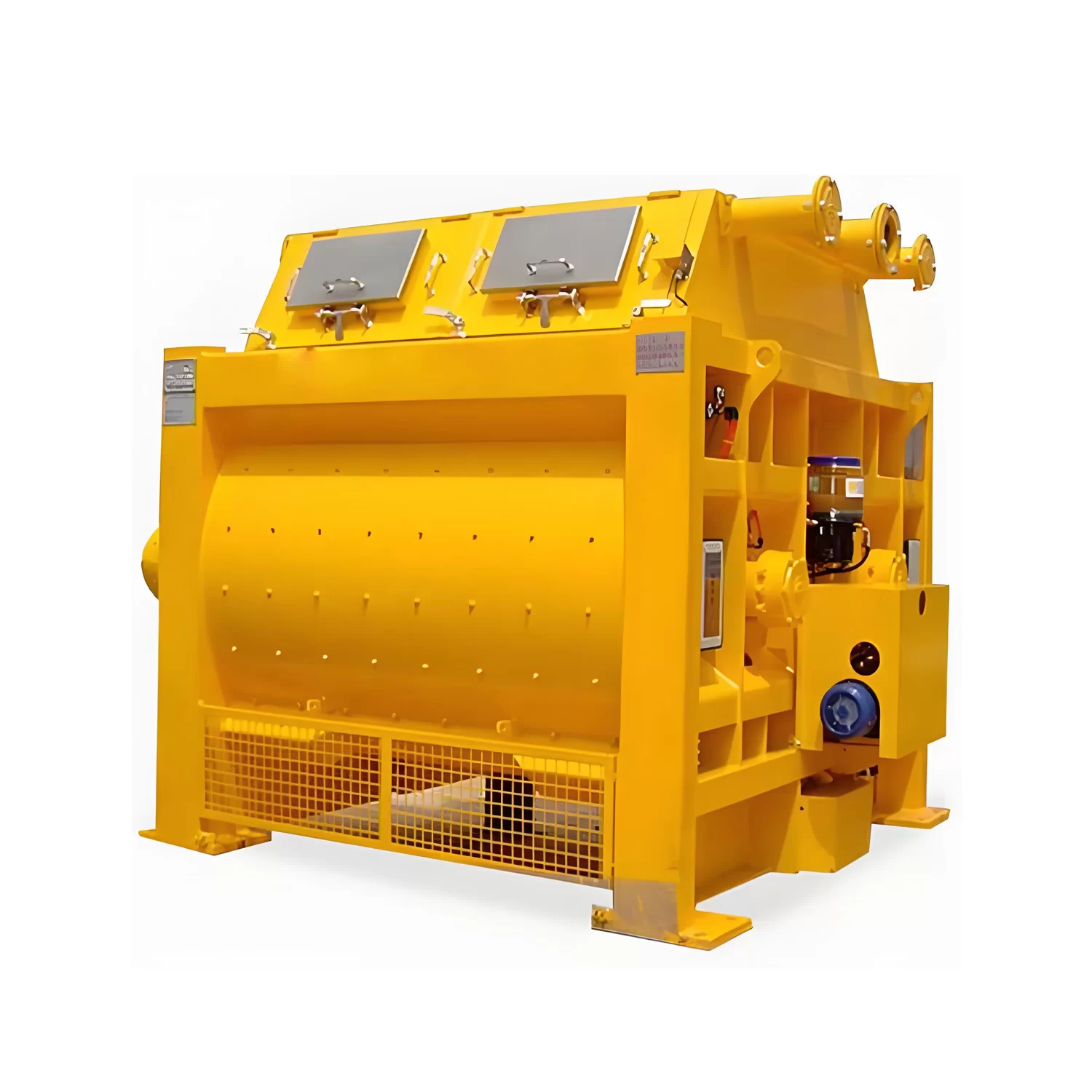
The 2000s witnessed a growing demand for more efficient and reliable solutions, prompting the adoption of mobile concrete mixing plants. These plants offered greater flexibility and reduced setup costs, making them ideal for remote construction sites. Vertical Shaft Planetary Mixers began gaining traction due to their efficiency.

In recent years, the trend has shifted towards fully automated batching plants with integrated control systems and remote monitoring capabilities. These advanced systems offer improved accuracy, consistency, and reduced operating costs. Digitalization is becoming increasingly important.

Future Development Trends

Increased Automation

The future will see a significant increase in the automation of concrete mixing plants, with the integration of artificial intelligence and machine learning technologies. This will enable real-time optimization of the mixing process and predictive maintenance.

Sustainable Solutions

There's a growing focus on sustainable construction practices, driving demand for eco-friendly concrete mixes and energy-efficient equipment. Recycling of construction materials will also become more prevalent.

Remote Monitoring and Control

Remote monitoring and control systems will become standard features, allowing operators to manage and troubleshoot plants from anywhere in the world. This is particularly important for remote construction sites in the DRC. Mobile Concrete Mixing Plant usage will be optimized.

Industry Trends and Future Outlook for Concrete Equipment in the DRC

Forecasting the evolution of concrete mixing technology and its impact on the DRC's construction sector.

Demand for Compact and Mobile Plants
The DRC's infrastructure projects often occur in remote locations, necessitating compact and mobile concrete mixing plants that are easy to transport and set up.
Focus on Durability and Reliability
The harsh operating conditions in the DRC require equipment that is exceptionally durable and reliable, with minimal downtime.
Demand for Skilled Technicians
The availability of skilled technicians for maintenance and repair will be a critical factor in the long-term success of concrete mixing operations in the DRC.
Growing Emphasis on Cost-Effectiveness
Given the economic challenges in the DRC, cost-effectiveness and lifecycle costs will be key considerations when selecting concrete mixing equipment.

Industry Outlook

The construction equipment market in the DRC is poised for steady growth in the coming years, driven by ongoing infrastructure investments and a rising demand for affordable housing. Manufacturers that can offer durable, reliable, and cost-effective solutions will be well-positioned to succeed.

Government initiatives aimed at improving infrastructure and attracting foreign investment are expected to further boost the market. The DRC’s abundant natural resources and growing population also create long-term opportunities for the construction sector.

Local Application Scenarios for Concrete Mixing Equipment in the DRC

Real-world examples of how concrete mixing plants are utilized in the Democratic Republic of the Congo.

1. Road Construction Projects

Mobile concrete mixing plants are essential for road construction projects in remote areas of the DRC, providing a consistent supply of high-quality concrete for bridge decks, culverts, and pavement. The ability to move the plant easily to different locations is a significant advantage.

2. Mining Infrastructure Development

The DRC’s mining industry requires substantial infrastructure, including concrete foundations for processing plants, storage facilities, and worker housing. Concrete Batching Plants and Stabilized Soil Batching Plants play a crucial role in these projects.

3. Affordable Housing Initiatives

Government and private sector initiatives to address the housing shortage in urban areas rely on efficient concrete production. Mobile concrete mixing plants enable the construction of affordable homes on a large scale.

4. Dam and Water Management Projects

Construction of dams and water management infrastructure requires large volumes of durable concrete. Stationary or semi-mobile concrete batching plants are often used for these projects, providing a reliable source of concrete for the construction process.

5. Industrial Facility Foundations

Establishing new industrial facilities throughout the DRC demands robust concrete foundations. Vertical Shaft Planetary Mixers deliver consistent mixing for these critical structural elements.

Brand Story

Shandong Guancheng Machinery Technology Co., Ltd.'s Global Development Journey

Commitment to Quality and Innovation

Established in 2008, Shandong Guancheng Machinery Technology Co., Ltd. began with a vision to provide high-quality concrete mixing solutions to the global market.

Expanding Global Reach

In 2015, we expanded our reach beyond domestic markets, establishing partnerships with distributors in key regions, including Africa.

Focus on Customer Needs

We prioritize understanding the unique challenges faced by our customers in different markets, tailoring our solutions to meet their specific needs.

Investment in R&D

Continuous investment in research and development allows us to stay at the forefront of concrete mixing technology, offering innovative and efficient solutions.

Dedicated After-Sales Support

We provide comprehensive after-sales support, including installation, training, and maintenance services, to ensure our customers achieve optimal performance from our equipment.

Complete Product Portfolio for the Region

Our extensive range of concrete mixing equipment caters to a variety of construction projects in the DRC.

Frequently Asked Questions - Concrete Mixing Equipment in the DRC

Answers to common questions regarding concrete mixing solutions for the Democratic Republic of the Congo.

What is the optimal size Concrete Batching Plant for small to medium-sized road construction projects in the DRC?

For smaller road projects, a mobile concrete mixing plant with a capacity of 30-60 cubic meters per hour is typically sufficient. This provides flexibility and cost-effectiveness for remote locations.

How do I ensure the reliability of a Mobile Concrete Mixing Plant in the challenging climate of the DRC?

Select a plant with robust components, corrosion-resistant materials, and a reliable engine. Regular maintenance and adherence to recommended operating procedures are crucial for long-term reliability.

What are the key considerations when choosing a supplier of Stabilized Soil Batching Plants for large infrastructure projects?

Look for a supplier with a proven track record, comprehensive after-sales support, and the ability to provide customized solutions tailored to your specific project requirements.

What is the typical lead time for delivery of a Dry Mortar Batching Plant to the DRC?

Delivery times can vary depending on the specific plant configuration and logistical challenges. Typically, lead times range from 60 to 90 days after order confirmation.

What maintenance is required for a Vertical Shaft Planetary Mixer to ensure optimal performance?

Regular lubrication of moving parts, inspection of mixing blades, and periodic cleaning are essential maintenance tasks. Following the manufacturer's recommendations is crucial.

Are there financing options available for purchasing Concrete Batching Plants in the DRC?

We can connect you with our financial partners who specialize in providing equipment financing solutions for projects in the DRC. Please contact us for more information.

Get in Touch With Us

We are committed to providing tailored concrete mixing solutions to support your construction projects in the Democratic Republic of the Congo.

Contact Us Now

If you are interested in our products, you can choose to leave your information here, and we will be in touch with you shortly.