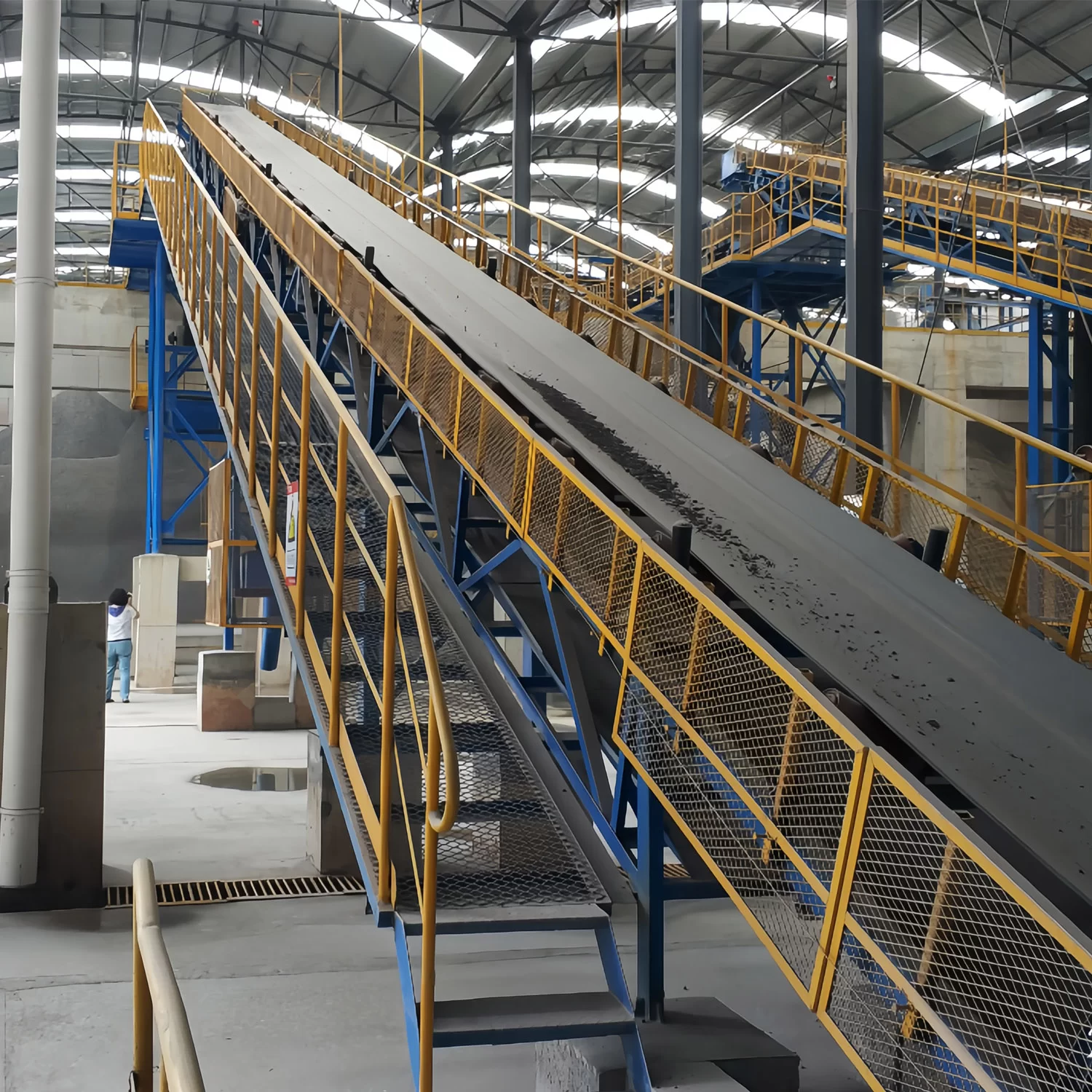
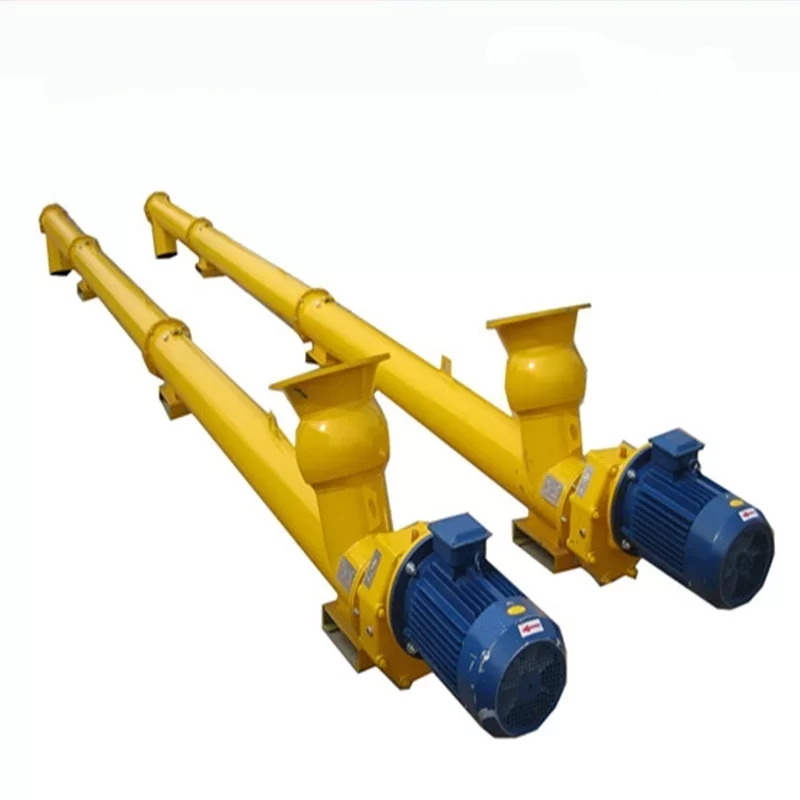
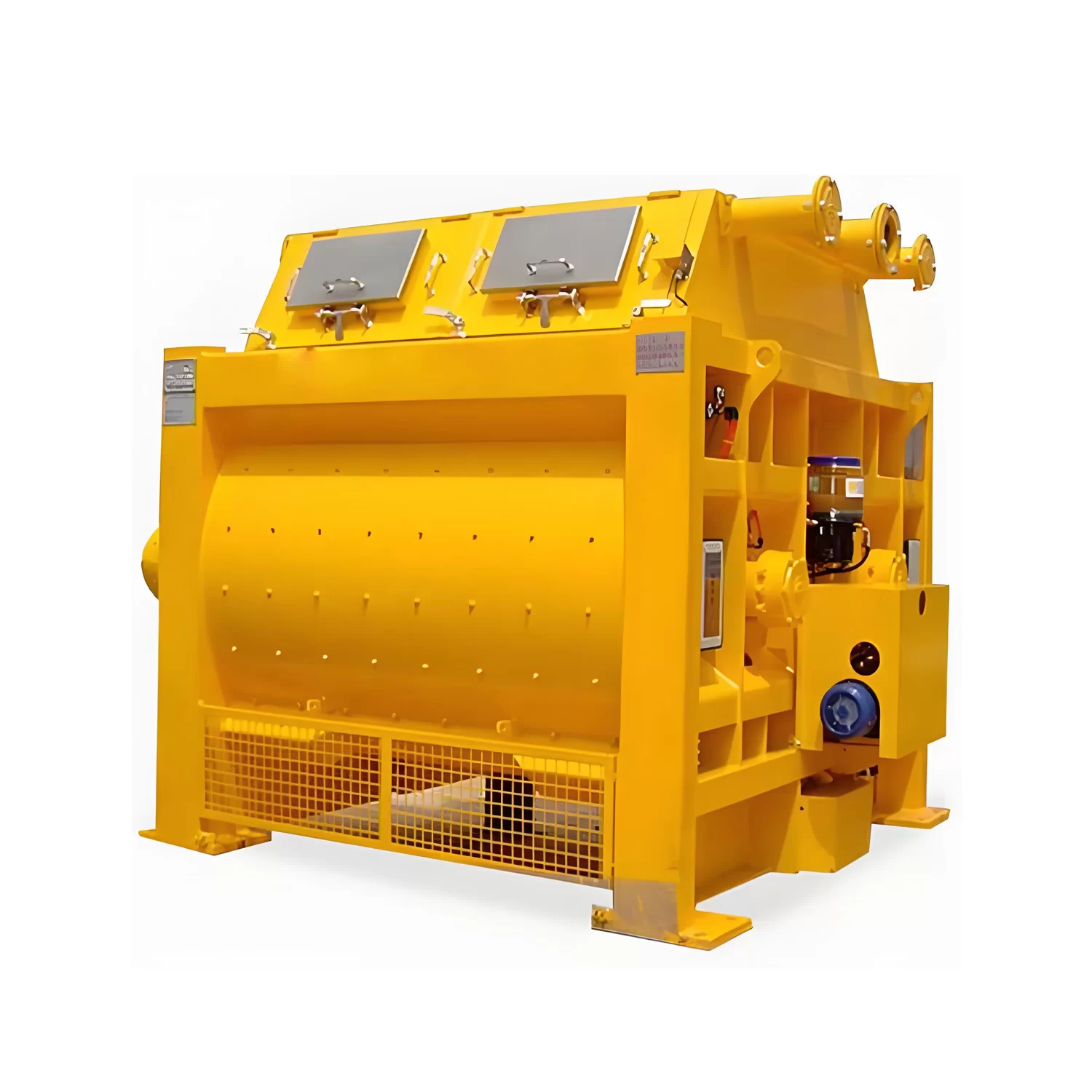
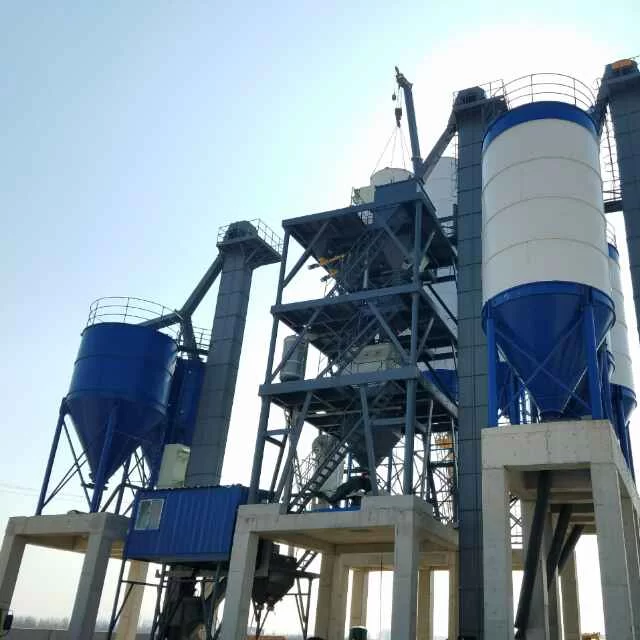
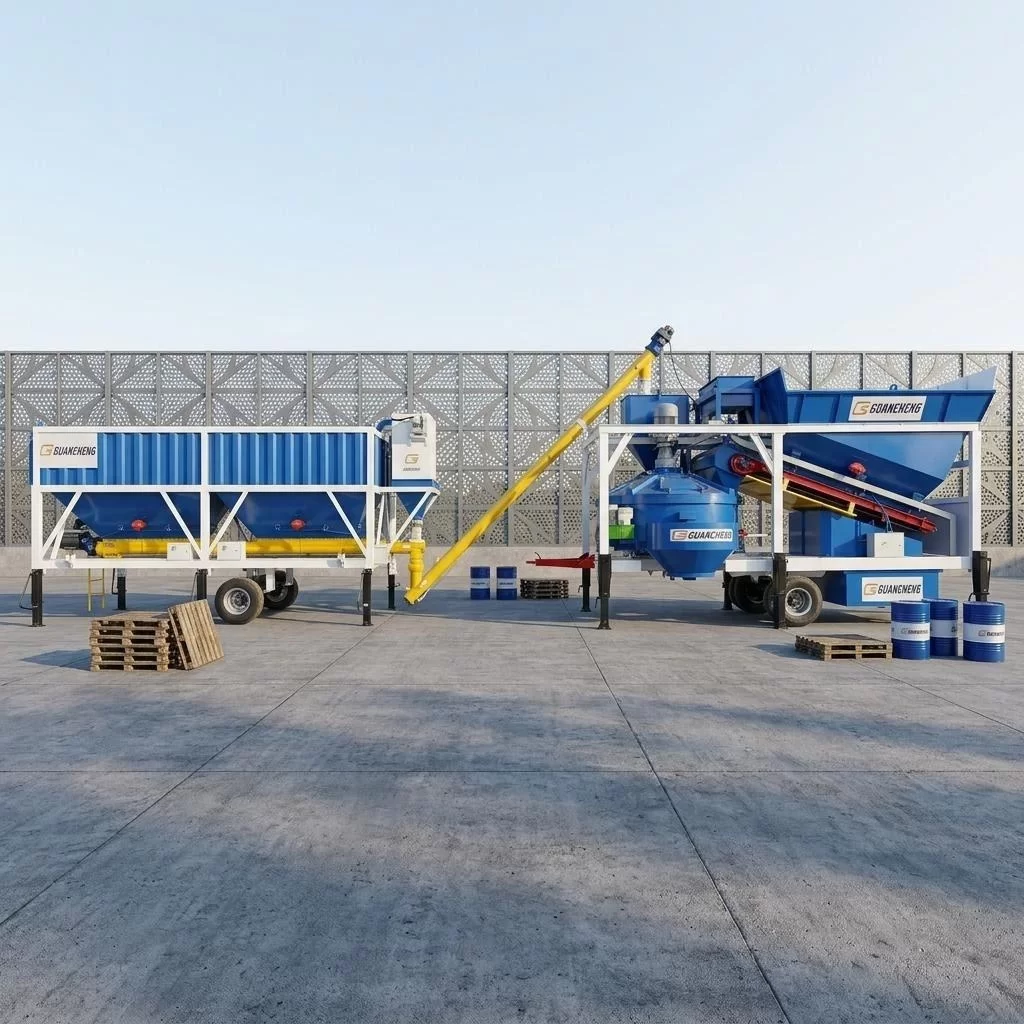
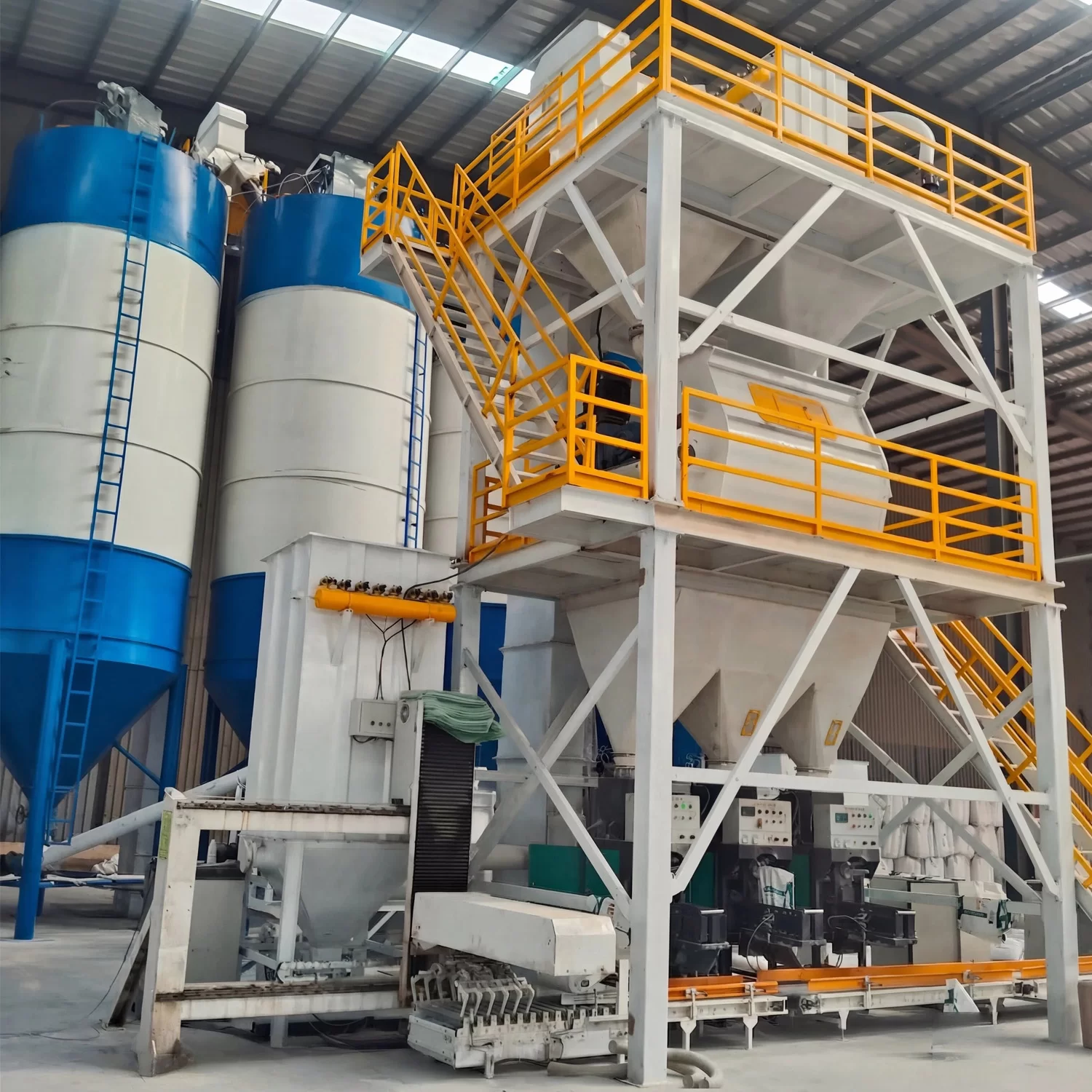
Tracing the progression of concrete mixing equipment from traditional methods to advanced, automated systems.
Market Development History
Historically, concrete production in the UAE relied heavily on central mixing plants and long-distance transportation. In the 1980s and 90s, as infrastructure projects increased, the demand for more efficient solutions grew. This led to the gradual adoption of stationary batching plants located closer to construction sites.
The early 2000s saw the emergence of Mobile Concrete Mixing Plants, offering increased flexibility and reduced logistical burdens. These units became particularly valuable for large-scale projects with remote locations. Technological advancements in automation and control systems further improved the efficiency and accuracy of concrete production.
In recent years, there has been a growing emphasis on sustainable construction practices. This has driven innovation in Stabilized Soil Batching Plant technology, allowing for the use of locally sourced materials and reducing reliance on imported cement.
Future Development Trends
Automation and IoT Integration
The future of concrete mixing in the UAE will be characterized by increased automation and the integration of Internet of Things (IoT) technologies. Real-time data monitoring, predictive maintenance, and remote control capabilities will optimize plant performance and reduce downtime.
Sustainable Material Solutions
There will be a continued focus on utilizing sustainable materials, such as recycled aggregates and supplementary cementitious materials. Vertical Shaft Planetary Mixers are becoming increasingly popular for producing high-quality concrete mixes using alternative materials.
Modular and Compact Designs
Demand for modular and compact concrete mixing plants will rise, enabling greater flexibility and adaptability to project-specific requirements. Dry Mortar Batching Plants are designed for easy transportation and setup, making them ideal for remote locations and smaller-scale projects.