New Zealand Concrete Batching Plant Solutions

New Zealand Concrete Batching Plant Solutions

Delivering robust and reliable concrete solutions to the New Zealand construction industry.

New Zealand Concrete Batching Plant Solutions

Providing cutting-edge concrete batching plant technology for diverse construction needs across New Zealand.

Current Market Landscape in New Zealand

An overview of the construction material supply chain and demand in New Zealand.

New Zealand's construction sector is experiencing consistent growth, fueled by infrastructure projects, residential developments, and a rising population. This demand places significant pressure on the supply of ready-mix concrete and pre-cast elements. The geographical challenges of New Zealand – its mountainous terrain and dispersed population – necessitate mobile and adaptable Concrete Batching Plant solutions.

The stringent environmental regulations in New Zealand require concrete producers to adopt sustainable practices and minimize their carbon footprint. This drives the demand for efficient and accurate batching plants, as well as those capable of utilizing supplementary cementitious materials. Concerns over material supply chain disruptions further emphasize the need for localized concrete production capabilities.

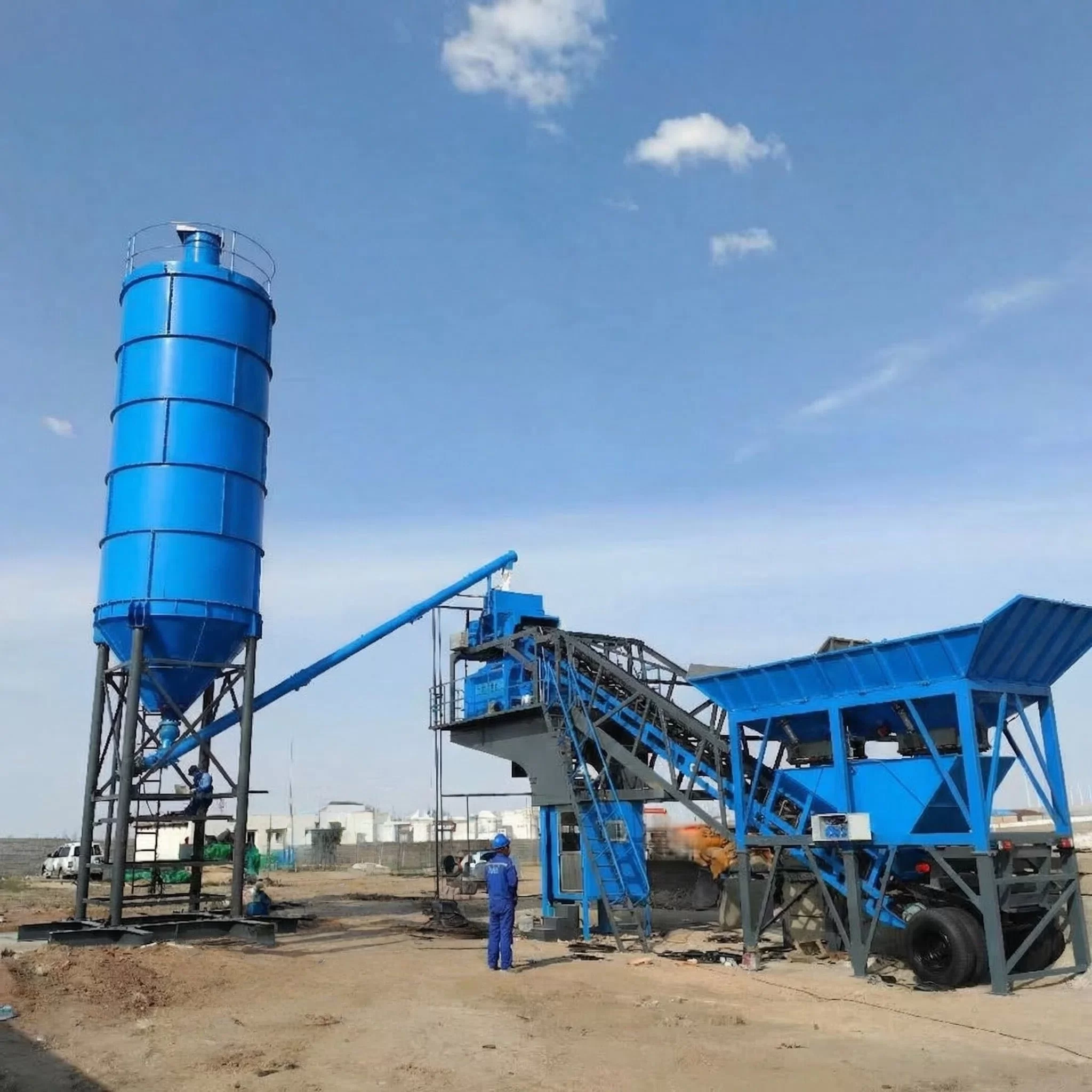
Furthermore, New Zealand’s seismic activity necessitates the production of concrete mixes with enhanced durability and resistance to earthquake damage. Mobile Concrete Mixing Plant are becoming increasingly popular due to their flexibility and ability to relocate to various project sites quickly, reducing transportation costs and environmental impact.
Evolution of Concrete Batching in New Zealand

A historical overview of concrete production technology in the region.

Market Development History

Initially, concrete production in New Zealand relied heavily on manual mixing and small-scale, site-based batching. From the 1950s onwards, the introduction of centralized, stationary batching plants marked a significant shift towards larger-scale production. These plants primarily served urban areas.

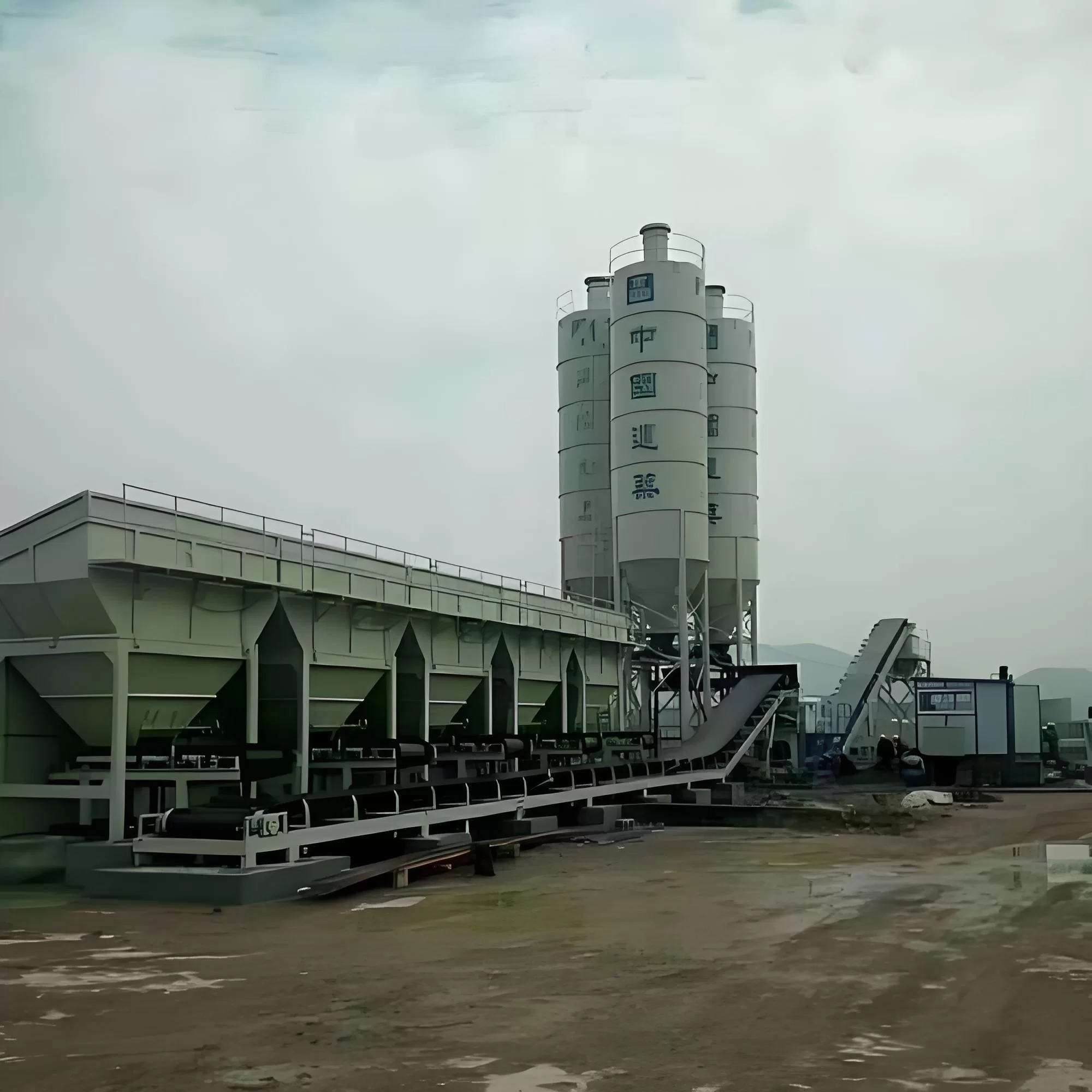
The 1980s and 90s saw the adoption of computer-controlled batching systems, improving accuracy and efficiency. However, these systems were often expensive and complex to maintain. The early 2000s witnessed growing interest in Stabilized Soil Batching Plant for road construction and infrastructure projects.

In recent years, there's been a surge in demand for mobile and containerized batching plants, offering greater flexibility and reduced setup times. Automation and digitalization are becoming increasingly prevalent, with remote monitoring and control systems now commonplace.

Future Development Trends

Smart Batching Systems

The integration of IoT sensors and AI-powered analytics will enable predictive maintenance, optimized mix designs, and real-time quality control.

Sustainable Concrete Technologies

Increased adoption of recycled aggregates, supplementary cementitious materials, and low-carbon concrete mixes will drive environmental sustainability.

Modular and Portable Plants

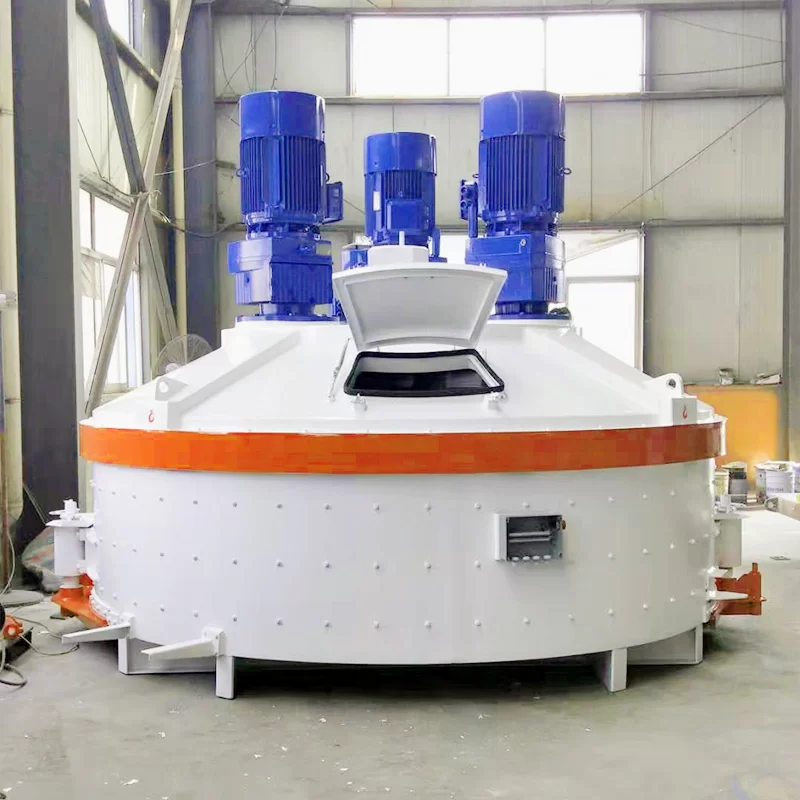
Further development of compact, easy-to-transport, and rapidly deployable batching plants will cater to the demands of remote construction sites and smaller projects. Utilizing Vertical Shaft Planetary Mixer to improve the efficiency of concrete mixing

Industry Trends and Future Outlook

A projection of the future of concrete batching in New Zealand.

Increased Automation
Automated systems will minimize manual labor, improve accuracy, and reduce waste.
Remote Monitoring & Control
Real-time data analytics and remote control capabilities will enable proactive maintenance and optimized performance.
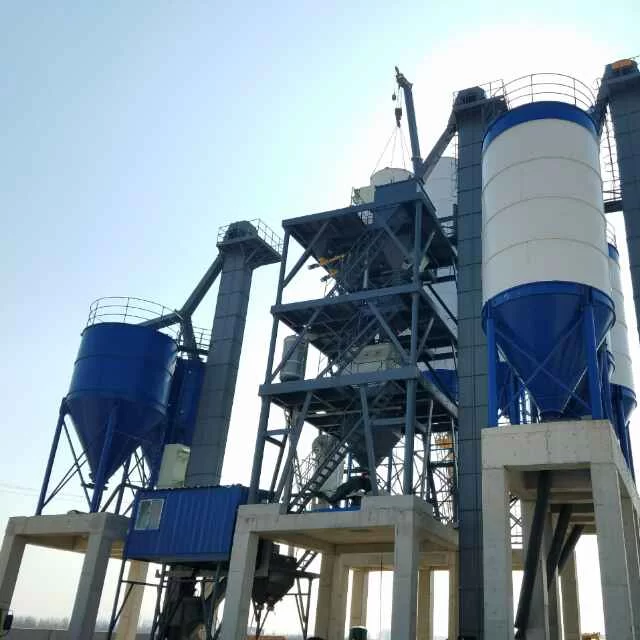
Increased Use of Dry Mortar Batching Plant
Growing demand for pre-mixed mortars and specialized concrete mixes will increase the adoption of these plants.
Focus on Sustainability
Continued development and adoption of eco-friendly concrete production technologies will be crucial.

Industry Outlook

The New Zealand concrete batching plant market is projected to grow steadily over the next 3-5 years, driven by infrastructure development, residential construction, and a focus on sustainability. Manufacturers who can provide innovative, efficient, and environmentally friendly solutions will be best positioned to succeed.

The demand for mobile and modular batching plants is expected to remain strong, particularly in remote areas and for projects with limited space. Digitalization and automation will play an increasingly important role in optimizing plant performance and reducing operating costs.

Local Application Scenarios

Concrete batching solutions tailored for New Zealand's unique needs.

1. Auckland Infrastructure Projects

Supplying concrete for large-scale infrastructure projects such as the City Rail Link and road upgrades requires high-capacity batching plants with precise control systems.

2. Canterbury Rebuild

Ongoing rebuild efforts in the Canterbury region following the earthquakes demand robust and reliable concrete solutions for residential and commercial construction.

3. Rural Farm Developments

Mobile batching plants are ideal for providing concrete for farm buildings, irrigation systems, and other rural infrastructure projects in remote locations.

4. Queenstown Tourism Infrastructure

The rapid growth of tourism in Queenstown necessitates the construction of new hotels, resorts, and transportation infrastructure, driving demand for high-quality concrete.

5. Northland Roading Projects

The increasing need for road repairs and upgrades in the Northland region benefits from the use of Stabilized Soil Batching Plant, providing cost-effective and durable road base materials.

Brand Story

Shandong Guancheng Machinery Technology Co., Ltd.'s global development journey

Innovation in Concrete Solutions

Founded on a commitment to quality and innovation, we strive to deliver cutting-edge concrete batching plant technology to meet the evolving needs of our clients.

Customer-Centric Approach

We prioritize understanding our customers' challenges and providing tailored solutions that enhance their efficiency and profitability.

Sustainable Practices

We are committed to developing environmentally friendly concrete production technologies that minimize our carbon footprint.

Global Reach, Local Support

We serve customers worldwide, providing comprehensive support and expertise to ensure their success.

Delivering Durability & Reliability

Our plants are engineered for long-lasting performance, even in the most demanding environments.

Complete Product Range for the New Zealand Market

Our comprehensive selection of concrete batching plants caters to a wide range of applications.

Frequently Asked Questions - New Zealand

Answers to common questions regarding concrete batching plants in New Zealand.

What are the key considerations when choosing a concrete batching plant for a New Zealand construction project?

Consider the project size, concrete mix requirements, site accessibility, environmental regulations, and the availability of skilled operators. Mobility and adaptability are also crucial given New Zealand’s diverse terrain.

How do New Zealand’s seismic standards impact concrete batching plant design?

Plants must be designed to withstand seismic activity, with robust foundations and secure component mounting. Concrete mixes also need to be formulated for enhanced durability and resistance to earthquake damage.

What are the typical lead times for delivering a concrete batching plant to New Zealand?

Lead times vary depending on the plant’s complexity and customization requirements, but typically range from 8 to 16 weeks, including shipping and installation.

What maintenance requirements do concrete batching plants typically have in New Zealand's climate?

Regular maintenance is essential, including lubrication, filter replacement, and inspection of wear parts. Coastal environments may require additional protection against corrosion.

What are the options for automation and control systems in modern concrete batching plants?

Options range from basic programmable logic controllers (PLCs) to sophisticated SCADA systems with remote monitoring, data logging, and automated mix design capabilities.

How can a mobile concrete batching plant help with remote construction projects in New Zealand?

A mobile plant eliminates the need for long-distance concrete transportation, reducing costs and environmental impact. It provides on-site concrete production, ensuring a consistent supply of fresh concrete.

Get in Touch for Concrete Solutions in New Zealand

We are dedicated to providing tailored concrete batching plant solutions for projects throughout New Zealand.

Contact Us Now

If you are interested in our products, you can choose to leave your information here, and we will be in touch with you shortly.