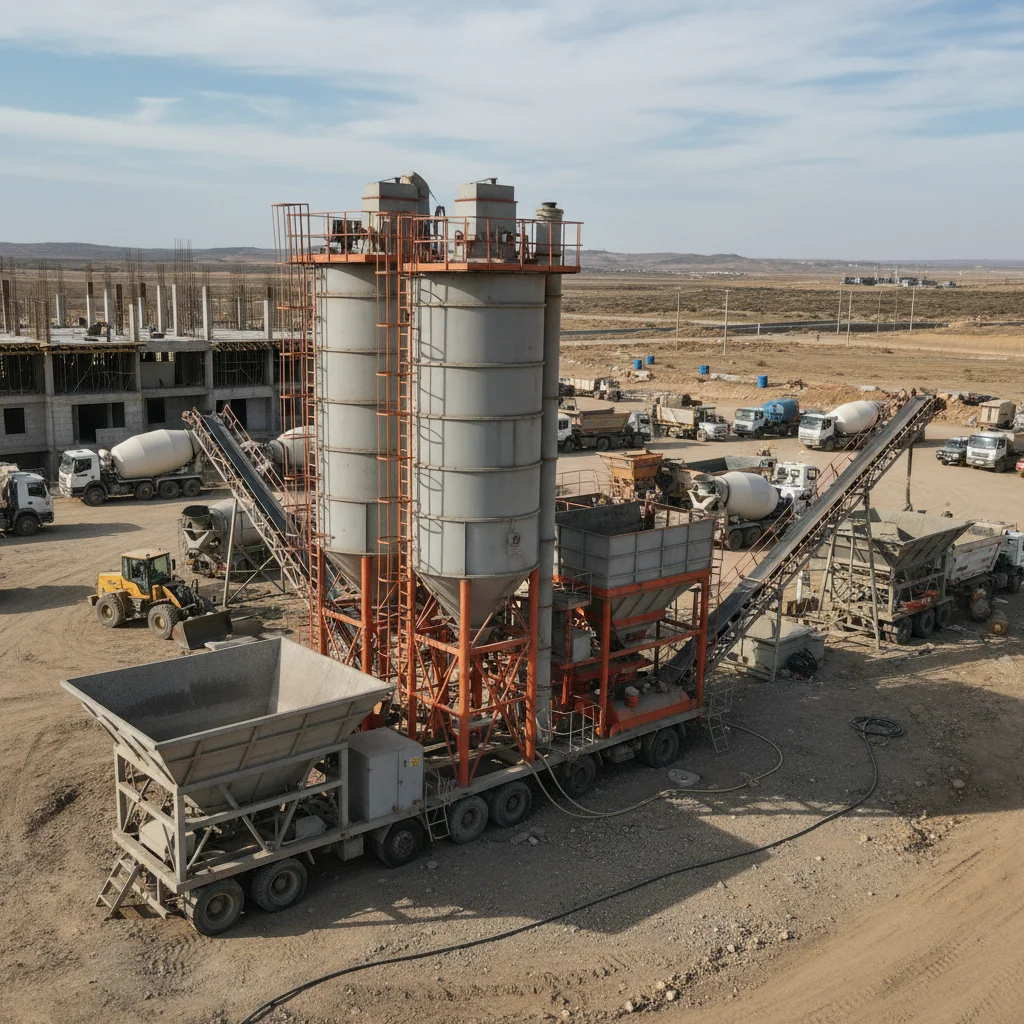
Finding a reliable mobile concrete batching plant supplier is a critical strategic decision for any construction firm operating in remote or dynamic environments. Unlike stationary plants, mobile units offer the agility to relocate production directly to the job site, drastically reducing transportation costs and preventing the risk of concrete premature setting during long hauls.
In the current global infrastructure boom, the demand for versatility has shifted the industry toward modular and towable solutions. A professional mobile concrete batching plant supplier provides not just the hardware, but a comprehensive ecosystem involving precise weighing systems, high-efficiency mixers, and rapid deployment protocols that ensure project timelines are met without compromise.
Understanding the nuances of mobile batching—from volumetric mixing to fully automated computerized plants—allows project managers to optimize their resource allocation. By partnering with an experienced mobile concrete batching plant supplier, companies can achieve a level of logistical independence that is essential for large-scale highway projects, bridge construction, and remote mining infrastructure.
The Global Impact of Choosing a Mobile Concrete Batching Plant Supplier
The global construction landscape is undergoing a massive transformation, with an increasing emphasis on rapid urbanization in developing regions. According to recent infrastructure trends highlighted by the World Bank, the need for resilient and fast-deployable building materials has made the role of a mobile concrete batching plant supplier indispensable. By moving the production point closer to the point of use, these suppliers help mitigate the logistical bottlenecks that typically plague large-scale public works.
Furthermore, the ability to maintain strict quality control over concrete mixes in remote areas is a challenge that only a high-tier mobile concrete batching plant supplier can solve. With integrated sensors and automated dosing, these mobile units ensure that the structural integrity of bridges, dams, and roads is consistent, regardless of how far the site is from a traditional industrial hub.
Defining the Role of a Mobile Concrete Batching Plant Supplier
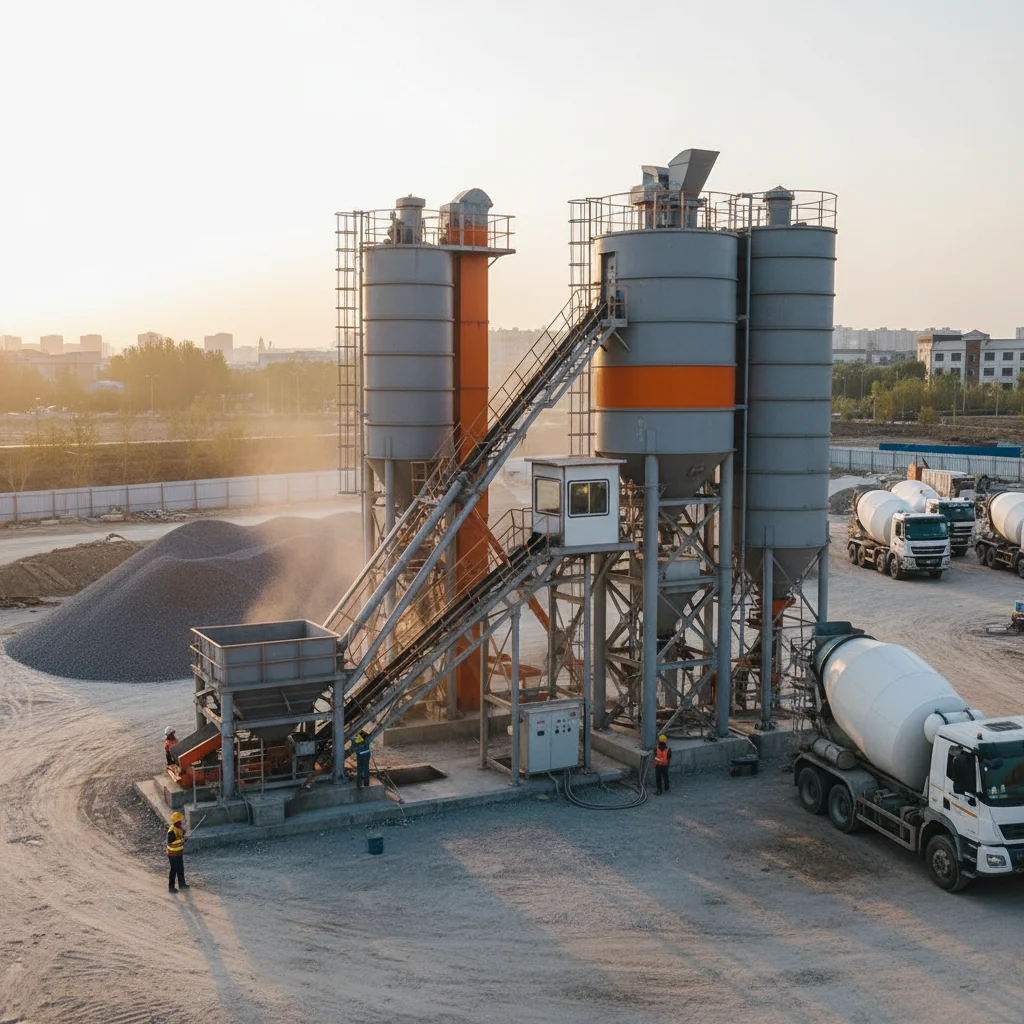
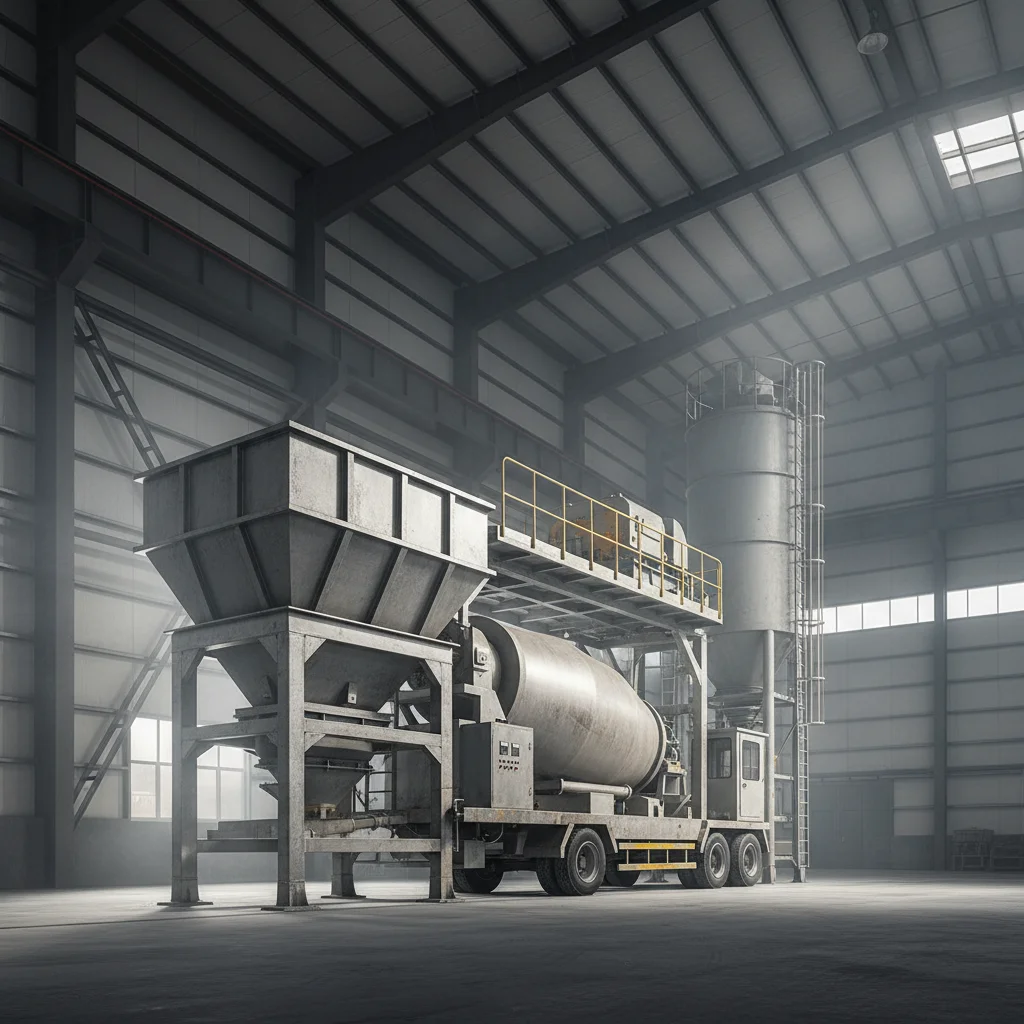
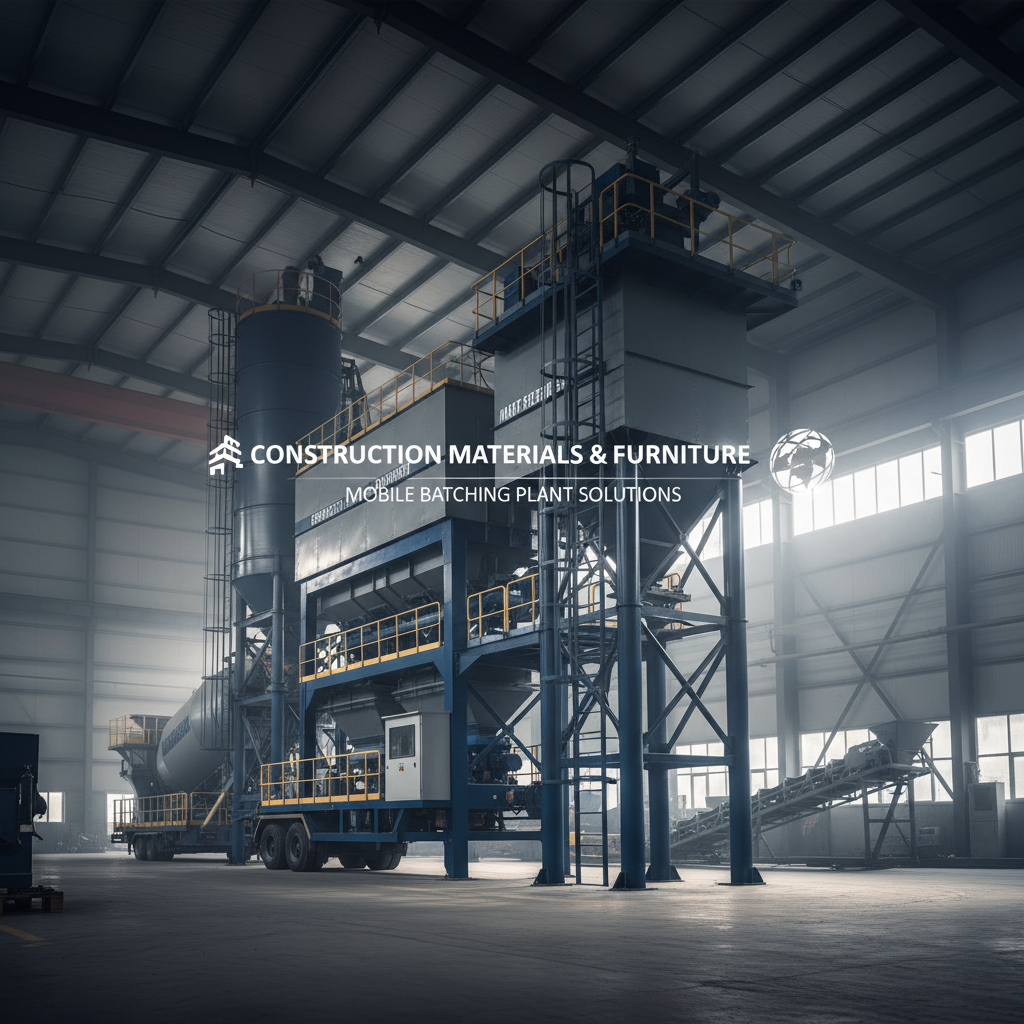
At its core, a mobile concrete batching plant supplier is more than just a machinery vendor; they are providers of mobile industrial capacity. These suppliers specialize in engineering systems that combine aggregate bins, cement silos, weighing scales, and mixers into a single, towable, or modular chassis. This integration allows for the precise mixing of cement, water, and aggregates on-site, providing a "factory-on-wheels" experience for the contractor.
The distinction between a standard supplier and a premium mobile concrete batching plant supplier lies in the focus on "deployment speed." In humanitarian crises or emergency infrastructure repair—such as after earthquakes or floods—the ability to set up a functioning concrete plant in a matter of hours rather than weeks can be life-saving. This makes the mobile batching plant a vital tool for both commercial profit and humanitarian aid.
From a technical perspective, these suppliers bridge the gap between the rigidity of a stationary plant and the inconsistency of hand-mixing. By utilizing advanced PLC (Programmable Logic Controller) systems, a professional mobile concrete batching plant supplier ensures that every cubic meter of concrete produced meets the exact ASTM or ISO specifications required for the specific engineering application.
Core Components provided by a Mobile Concrete Batching Plant Supplier
Durability is the first hallmark of a quality mobile concrete batching plant supplier. The chassis must be constructed from high-strength alloy steel to withstand the constant vibrations of the mixer and the stress of being towed across uneven terrain. Without a rugged frame, the precision of the weighing components would be compromised over time.
Scalability and flexibility are where a leading mobile concrete batching plant supplier truly shines. Depending on the project size, these suppliers offer different configurations, such as twin-shaft mixers for high-output requirements or planetary mixers for specialized dry mortar and stabilized soil applications, ensuring the equipment matches the project's specific volume needs.
Precision dosing systems are the "brain" provided by the mobile concrete batching plant supplier. By employing high-precision load cells and automated water-cement ratio controllers, the supplier ensures that the mix design is perfectly executed every time, preventing structural failures and reducing material waste.
Performance Metrics for Mobile Concrete Batching Plant Supplier Solutions
When evaluating a mobile concrete batching plant supplier, project managers typically look at several Key Performance Indicators (KPIs). These include the setup time (the time from arrival to first pour), the output capacity per hour, and the energy efficiency of the mixing motor. A superior supplier will provide detailed data sheets showing how their plant performs under extreme temperature variations.
Another critical metric is the "reliability rating" of the automation software. A mobile concrete batching plant supplier that integrates intuitive, cloud-based monitoring allows owners to track material consumption and production rates in real-time from a remote office, significantly reducing the need for constant on-site supervision.
Efficiency Comparison across Mobile Concrete Batching Plant Supplier Models
Global Applications of Mobile Concrete Batching Systems
In remote industrial zones, such as the mining sectors of Australia or the oil fields of Canada, the mobile concrete batching plant supplier provides the only viable way to create foundations and pads without spending fortunes on trucking concrete from distant cities. These applications often require "hardened" equipment that can operate in extreme cold or desert heat.
Additionally, in post-disaster relief operations, NGOs and governments rely on a mobile concrete batching plant supplier to rapidly rebuild critical infrastructure like piers, retaining walls, and emergency housing. The ability to produce high-strength concrete on the spot allows for an immediate transition from emergency response to permanent reconstruction.
Long-Term Value and Sustainability Benefits
The long-term financial value of partnering with a reputable mobile concrete batching plant supplier extends far beyond the initial purchase. By eliminating the "middleman" of ready-mix delivery services, contractors can reduce their per-cubic-meter cost by as much as 20-30% on large projects, while gaining full control over the production schedule.
From a sustainability perspective, the mobile concrete batching plant supplier helps reduce the carbon footprint of a project. Fewer truck trips mean lower CO2 emissions and less traffic congestion on local roads. Moreover, the precision of modern batching reduces material waste, ensuring that only the exact amount of cement needed is used.
Ultimately, the trust built with a reliable supplier translates into operational safety. When equipment is engineered correctly and maintained by the mobile concrete batching plant supplier, the risk of on-site mechanical failure—which can lead to costly project delays or dangerous structural flaws—is minimized.
Future Trends in Mobile Concrete Batching Plant Supplier Technology
The next frontier for the mobile concrete batching plant supplier is the integration of "Green Concrete" technology. We are seeing a move toward plants that can easily incorporate fly ash, slag, or recycled aggregates into the mix without requiring a total system overhaul, aligning with global net-zero targets.
Digital transformation is also playing a huge role. Leading suppliers are now incorporating IoT (Internet of Things) sensors that predict when a part is likely to fail, shifting from reactive maintenance to predictive maintenance. This ensures that a mobile concrete batching plant supplier can provide support even before the customer realizes there is a problem.
Finally, automation is moving toward fully autonomous operation. Future systems from a mobile concrete batching plant supplier may allow for "one-touch" operation, where the entire process from aggregate loading to discharge is handled by AI, optimizing the mix based on real-time ambient humidity and temperature.
Comparison Analysis of Mobile Concrete Batching Plant Supplier Solutions
| Plant Type |
Setup Speed |
Mobility Score |
Cost Efficiency |
| Towable Mini-Plant |
Ultra-Fast (2h) |
10/10 |
High (Low OpEx) |
| Modular Heavy-Duty |
Moderate (24h) |
7/10 |
Medium (High Vol) |
| Volumetric Mixer |
Instant |
10/10 |
High (Precision) |
| Hybrid Electric Plant |
Fast (6h) |
8/10 |
Very High (Eco) |
| Stabilized Soil Plant |
Moderate (12h) |
6/10 |
Medium (Specialty) |
| Planetary Mix Mobile |
Moderate (18h) |
7/10 |
High (Quality) |
FAQS
Focus on three main factors: output requirements, mobility needs, and after-sales support. A good supplier should provide a customized configuration based on your average daily cubic meter requirement and the terrain of your site. Ensure they offer a comprehensive warranty and have a track record of providing spare parts quickly to avoid project downtime.
Yes, provided you choose a high-end mobile concrete batching plant supplier. Modern mobile plants use the same high-precision load cells and PLC automation systems as stationary plants. The key is the calibration of the weighing system, which professional suppliers perform before shipping to ensure consistency within ±1% of the target mix.
The primary focus should be on the mixer liners and the weighing sensors. Because mobile plants operate in harsher environments, dust protection for the electrical panels and regular lubrication of the conveyor belts are essential. Most reputable suppliers provide a scheduled maintenance checklist to ensure the equipment lasts for a decade or more.
Absolutely. A versatile mobile concrete batching plant supplier can equip their plants with additive dispensers for plasticizers or waterproofing agents. For specialized needs like dry mortar or stabilized soil, they may offer planetary mixers instead of standard drum mixers to ensure a more homogenous blend.
Depending on the model, relocation can take anywhere from a few hours to a full day. Towable units are designed for "plug-and-play" operation, requiring only basic leveling and power connection. Modular plants require a bit more time for disassembly and reassembly, but are still significantly faster than building a new stationary site.
Yes, most regions require strict management of water runoff and dust emissions. A professional mobile concrete batching plant supplier will often include dust collection systems (bag filters) and suggest water recycling pits to ensure your on-site production remains compliant with local environmental laws.
Conclusion
In summary, partnering with a professional mobile concrete batching plant supplier is a game-changer for modern construction logistics. By integrating high-precision dosing, rugged mobility, and scalable output, these systems eliminate the inefficiencies of traditional concrete procurement and empower contractors to maintain absolute quality control regardless of location. From the reduction of carbon footprints to the acceleration of emergency infrastructure, the value of mobile batching is evident in every cubic meter poured.
Looking ahead, the industry will continue to evolve toward smarter, greener, and more autonomous systems. For businesses aiming to remain competitive in an era of rapid infrastructure growth, investing in high-quality mobile equipment is no longer an option but a necessity. We recommend evaluating your long-term project pipeline and choosing a supplier that offers not just a machine, but a partnership in engineering excellence. Visit our website for more professional solutions: www.batchplantpro.com