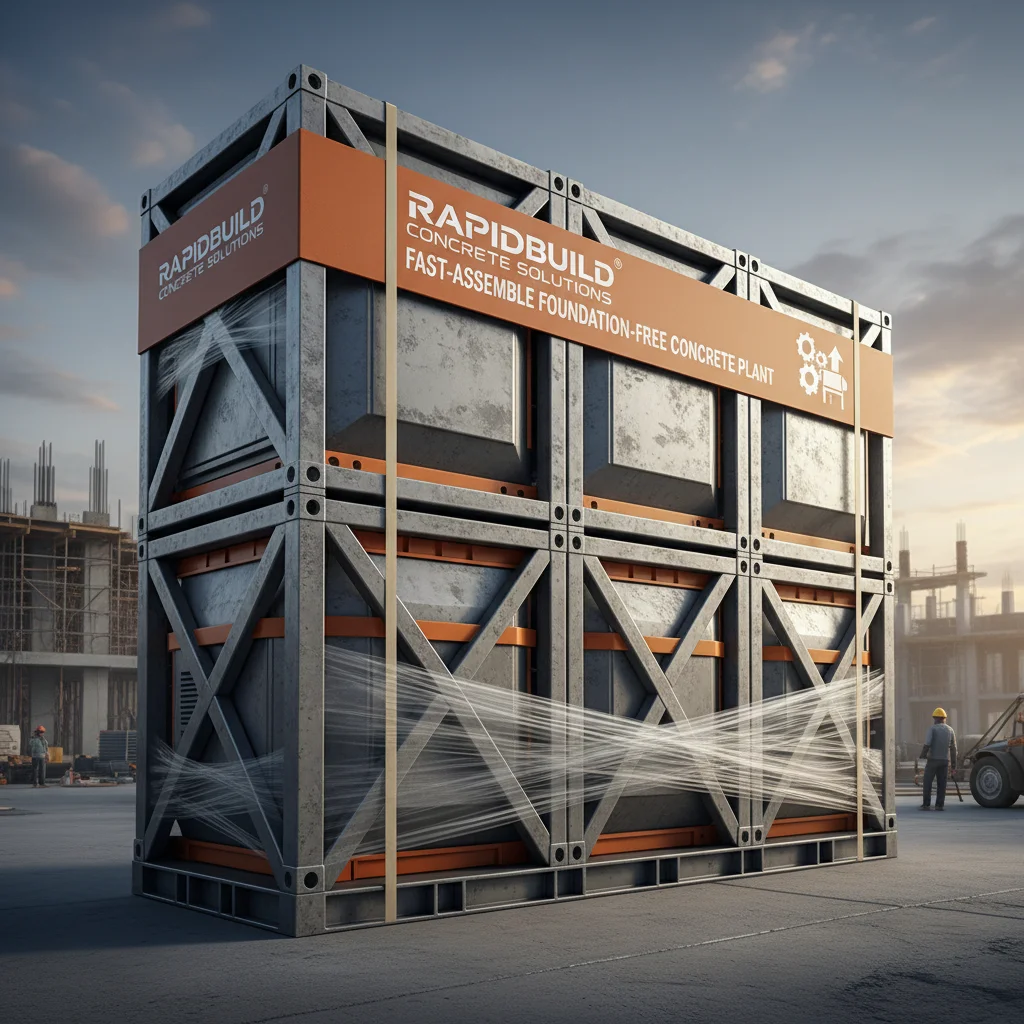
In the rapidly evolving landscape of global infrastructure, the demand for flexibility and efficiency in concrete production has led to the rise of the export type mobile concrete batching plant. These sophisticated systems are engineered to bridge the gap between centralized production and remote project sites, ensuring that high-quality concrete is available exactly where it is needed without the logistical nightmare of long-distance hauling.
For international contractors and engineering firms, selecting an export type mobile concrete batching plant is not merely a purchase but a strategic investment in operational agility. By integrating advanced mixing technology with a chassis-mounted design, these plants allow for rapid deployment across borders, adhering to diverse international shipping standards while maintaining rigorous output precision.
Understanding the nuances of these systems—from their modular assembly to their compliance with global environmental certifications—is essential for any project manager aiming to reduce overhead costs. This guide explores how the export type mobile concrete batching plant optimizes the construction lifecycle and supports sustainable urban and rural development worldwide.
Global Relevance of Export Type Mobile Concrete Batching Plant
The global construction market is currently experiencing a shift toward decentralized infrastructure. With the World Bank emphasizing the need for improved connectivity in developing regions, the export type mobile concrete batching plant has become a critical asset. These units enable the construction of bridges, dams, and highways in areas where permanent plants are geographically or economically unfeasible.
By reducing the reliance on ready-mix concrete suppliers, who often struggle with delivery times in remote terrains, the export type mobile concrete batching plant mitigates the risk of "cold joints" and material wastage. This ensures that structural integrity is maintained according to ISO standards, regardless of the project's isolation.
Defining the Export Type Mobile Concrete Batching Plant
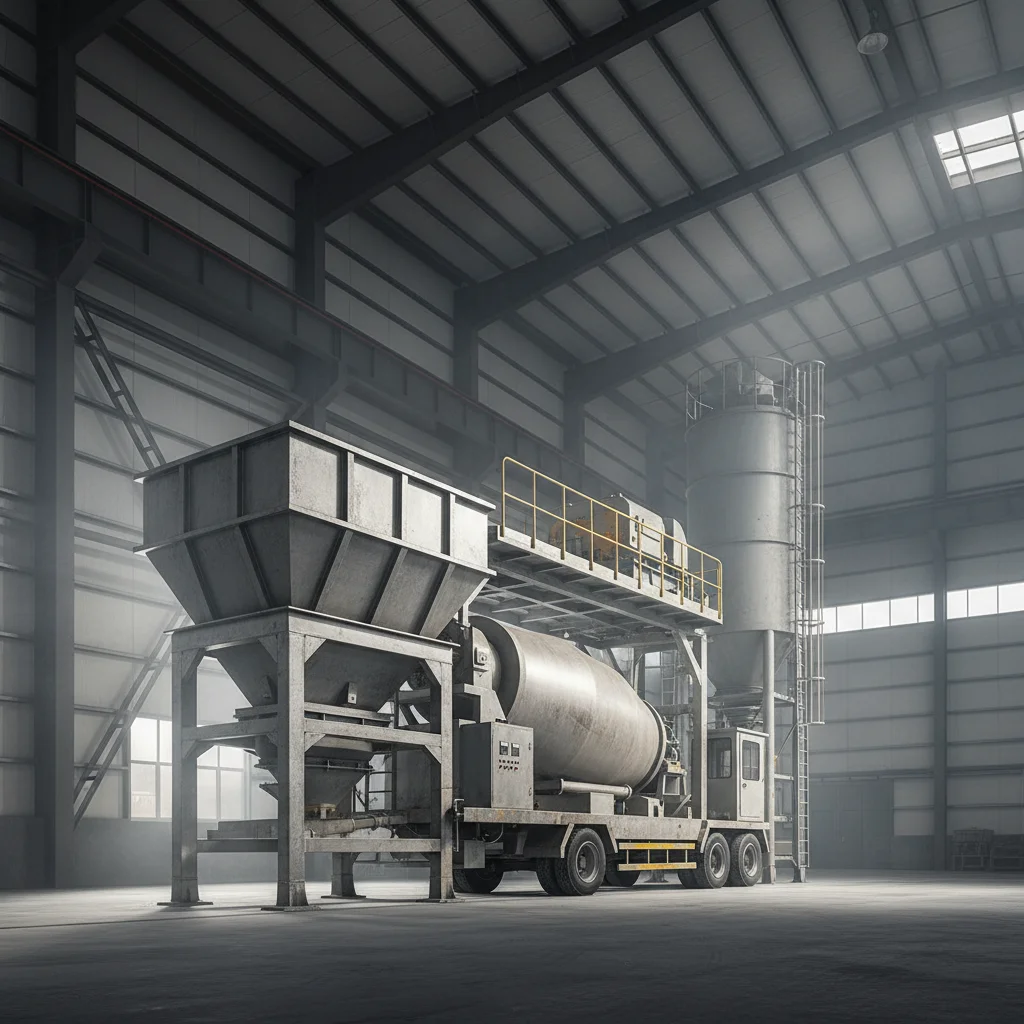
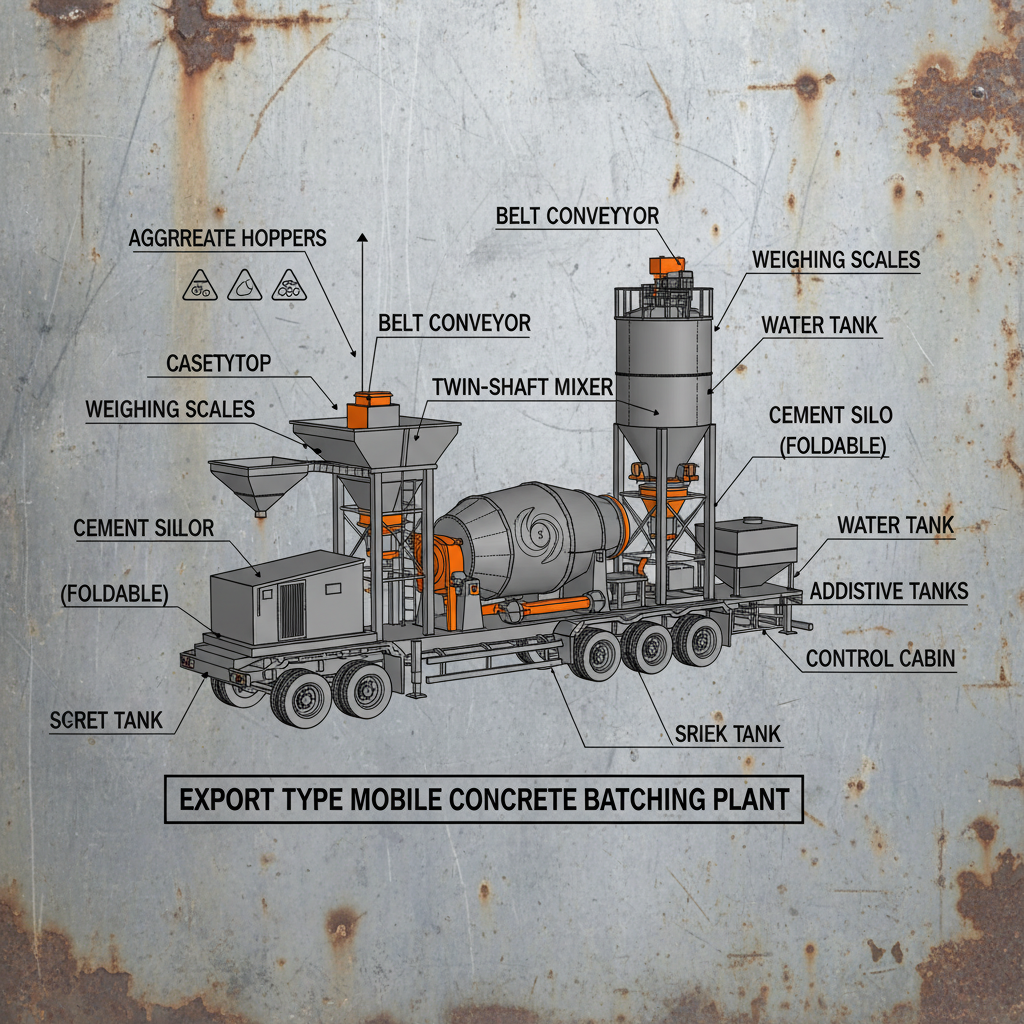
An export type mobile concrete batching plant is a fully integrated, towable, or modular concrete production facility designed specifically for international transport and rapid onsite commissioning. Unlike stationary plants that require extensive civil foundations, these mobile units are built on heavy-duty chassis, allowing them to be moved via truck or ship and deployed within a matter of days.
At its core, this system combines precise weighing sensors, a high-efficiency mixer (often a twin-shaft or planetary design), and an automated control system into a compact footprint. The "export" designation indicates that the equipment is manufactured to meet diverse international voltage requirements, emission standards, and shipping container dimensions, making it a versatile tool for global contractors.
Beyond the technical specifications, the export type mobile concrete batching plant serves a humanitarian and developmental purpose. In post-disaster recovery zones, these plants provide the immediate capacity to rebuild critical infrastructure, such as clinics and shelters, without waiting for the restoration of local supply chains.
Core Components for High-Performance Export Systems
The durability of an export type mobile concrete batching plant begins with its structural chassis. High-grade alloy steel is utilized to withstand the stresses of ocean freight and the uneven terrain of construction sites, ensuring that the alignment of the weighing hoppers remains precise over years of operation.
Precision in an export type mobile concrete batching plant is managed by the PLC (Programmable Logic Controller) system. These controllers are often equipped with multi-language interfaces and cloud-based monitoring, allowing engineers in a home office to troubleshoot a plant operating thousands of miles away in real-time.
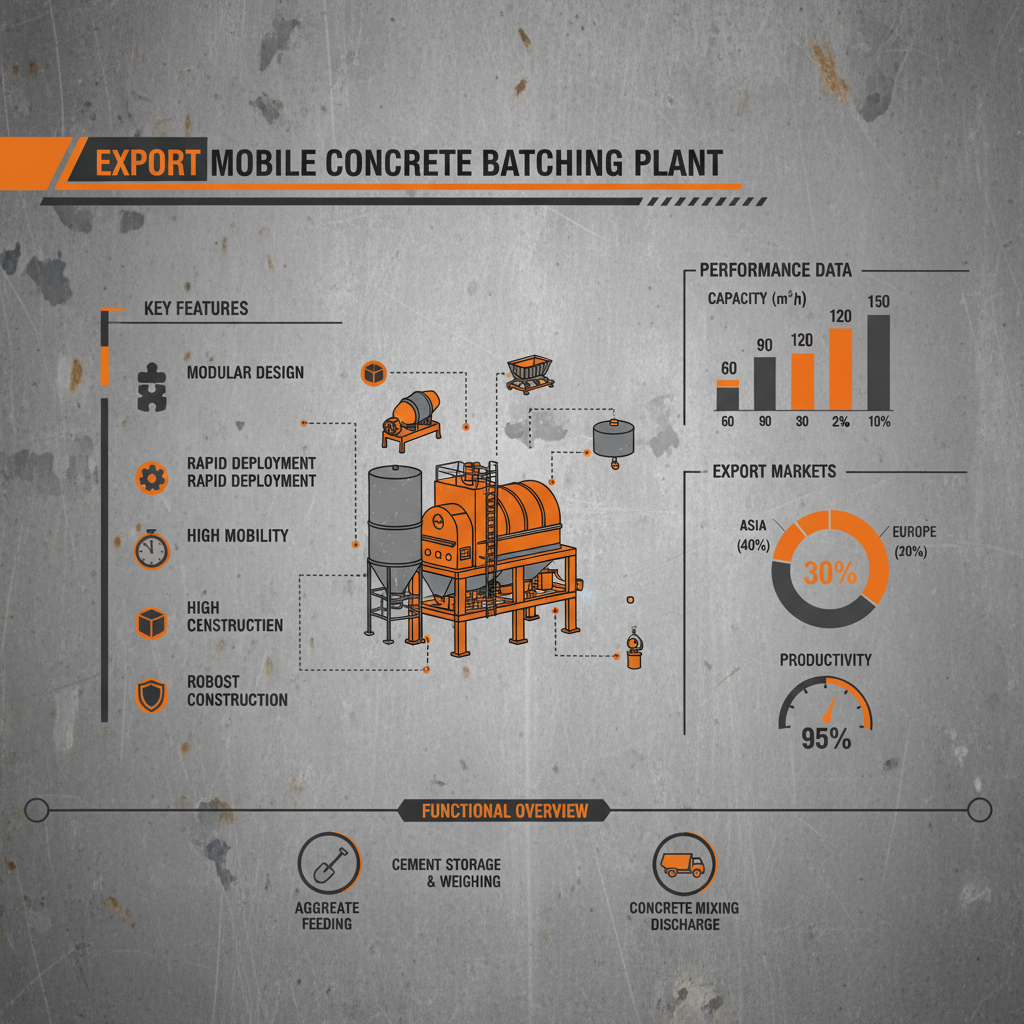
Scalability is another hallmark of the modern export type mobile concrete batching plant. By utilizing modular aggregate bins and optional silo extensions, operators can scale their output from 30m³/h to over 120m³/h, adapting to the growing needs of a project without needing to purchase entirely new machinery.
Economic Impact and Cost Efficiency Analysis
Implementing an export type mobile concrete batching plant significantly alters the project's financial trajectory. By producing concrete on-site, companies eliminate the high cost of concrete transport and the associated fuel surcharges, which can account for up to 30% of total material costs in remote regions.
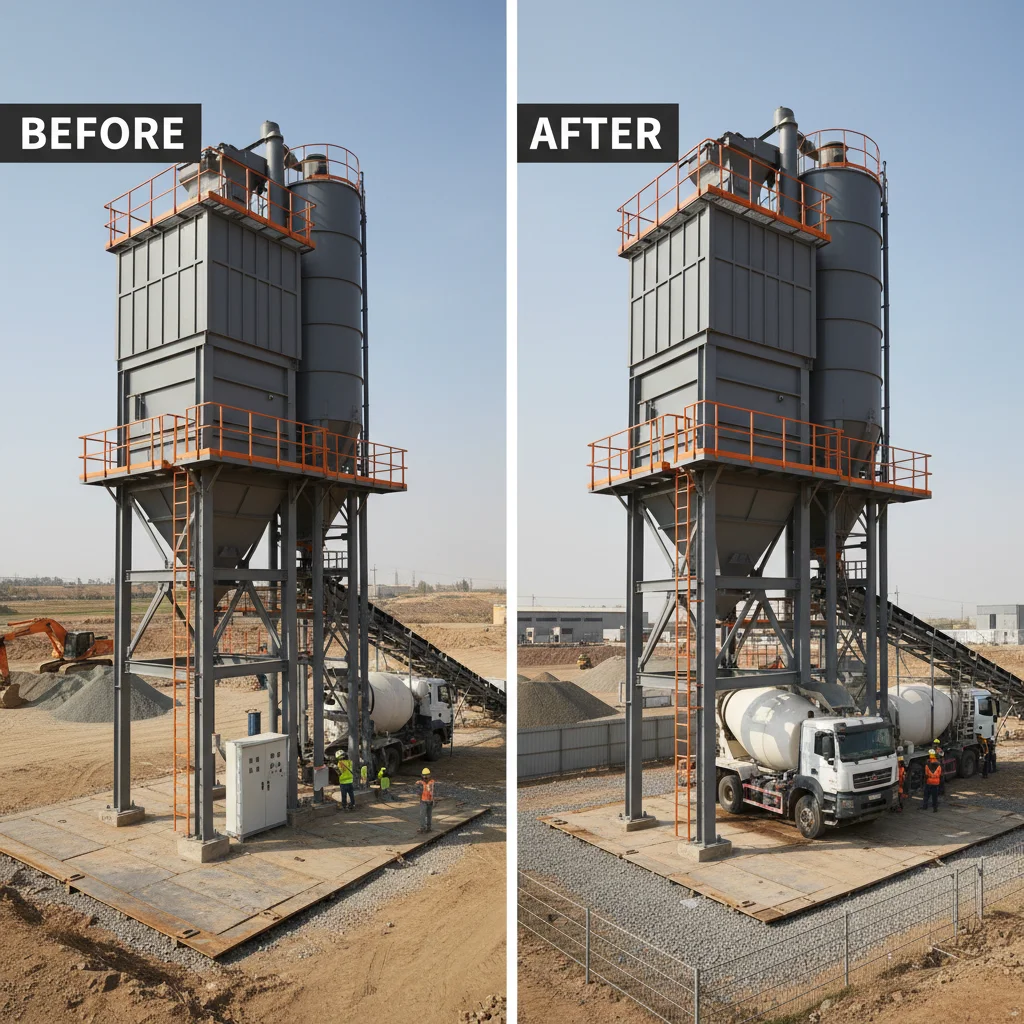
Furthermore, the rapid setup time of these mobile plants reduces labor costs associated with site preparation. Instead of pouring a permanent concrete pad for a stationary plant, the mobile unit simply requires a leveled area of ground, allowing production to begin almost immediately upon arrival.
Comparative Efficiency of Export Type Mobile Concrete Batching Plant Models
Global Applications and Strategic Use Cases
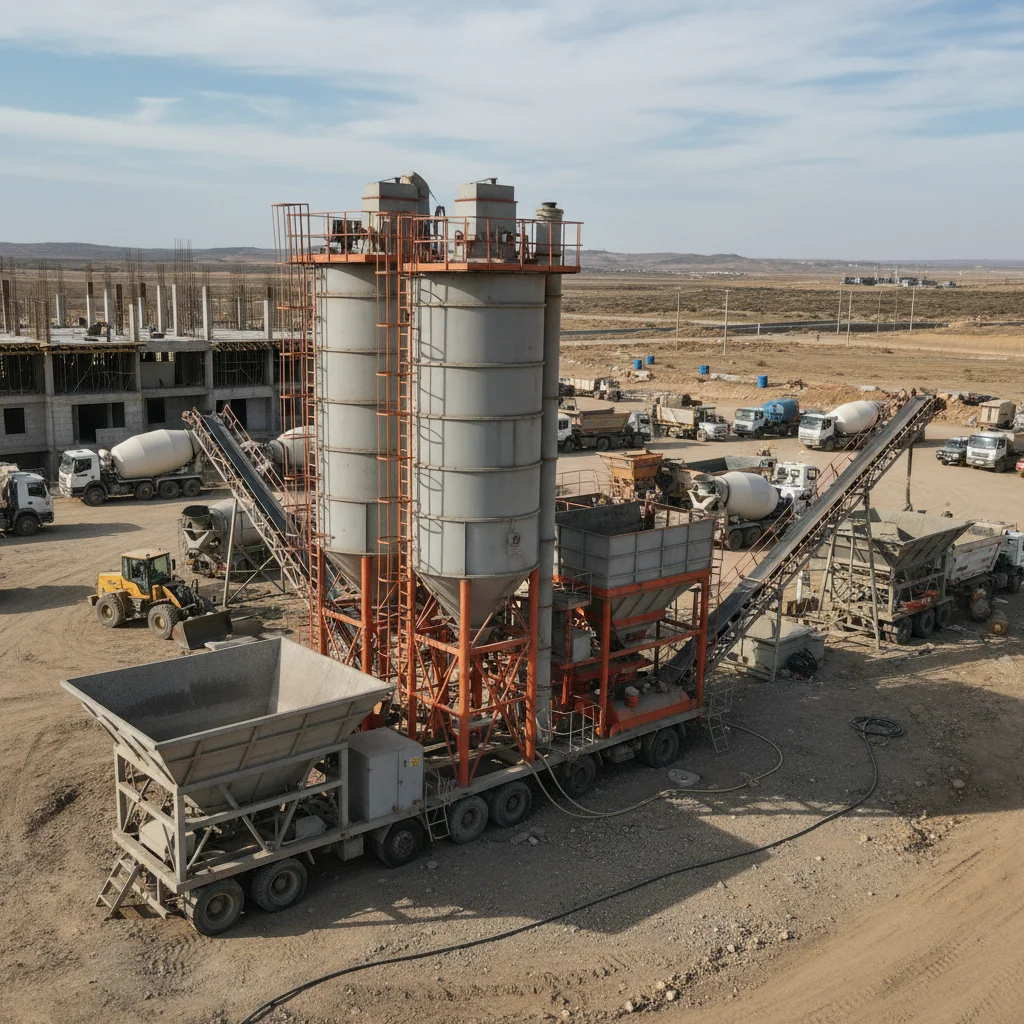
In the realm of large-scale mining and metallurgy, the export type mobile concrete batching plant is indispensable for creating reinforced tailings dams and site access roads. These projects often span vast, inhospitable terrains where the only way to maintain a strict construction schedule is to have the production facility move alongside the progress of the build.
Similarly, in Southeast Asia and Africa, where urbanization is accelerating rapidly in regions with poor road infrastructure, these plants allow for the localized production of high-grade concrete for urban flyovers and sewage systems. This decentralization reduces the carbon footprint associated with heavy vehicle transport and supports the local economy by utilizing nearby aggregate sources.
Long-Term Value and Sustainability Benefits
The long-term value of investing in an export type mobile concrete batching plant extends beyond immediate cost savings. By controlling the entire mixing process on-site, contractors can optimize the water-to-cement ratio more accurately, leading to more durable structures with a longer lifespan, thereby reducing the need for premature repairs.
Sustainability is integrated into these modern systems through dust collection filters and water recycling loops. Export-grade plants now often feature integrated scrubbing systems that prevent cement dust from polluting the surrounding environment, making them compliant with strict European and North American EPA regulations.
Moreover, the ability to reuse the equipment across multiple international projects prevents the "throwaway" culture of site-specific temporary plants. A high-quality mobile plant can serve five to ten different global projects over its lifetime, offering an exceptional return on investment (ROI) and promoting a circular economy in construction equipment.
Future Trends in Mobile Concrete Technology
The next generation of the export type mobile concrete batching plant is moving toward full electrification and autonomous operation. We are seeing a shift from diesel-powered generators to hybrid systems and large-scale battery arrays, significantly reducing the noise and emission profiles of onsite production.
Digital transformation is also playing a key role, with the integration of AI-driven mix optimization. Future plants will be able to analyze the moisture content of aggregates in real-time and automatically adjust the water dosage to ensure a perfect slump, removing human error from the equation entirely.
As global policies move toward "Green Building" certifications (like LEED), the export type mobile concrete batching plant will incorporate advanced additives and carbon-capture technologies during the mixing phase. This ensures that the concrete produced on-site is not only strong but also contributes to a lower overall carbon footprint for the project.
Technical Analysis and Performance Comparison of Export Type Mobile Concrete Batching Plant Configurations
| Plant Configuration |
Deployment Speed |
Shipping Complexity |
Maintenance Level |
| Single-Axle Compact |
Ultra-Fast (< 24h) |
Low (1 Container) |
Minimal |
| Dual-Shaft Modular |
Fast (2-3 Days) |
Medium (2 Containers) |
Moderate |
| High-Capacity Chassis |
Moderate (4-7 Days) |
High (Flat Rack) |
Regular |
| Eco-Hybrid Model |
Fast (3 Days) |
Medium (2 Containers) |
Low (Digital) |
| Heavy-Duty Mining Spec |
Moderate (5 Days) |
High (Oversized) |
Frequent |
| Rapid-Response Relief |
Ultra-Fast (< 12h) |
Low (Standard 20ft) |
Minimal |
FAQS
Export-type plants are specifically engineered for international logistics and global compliance. They feature modular designs that fit into standard shipping containers, use voltage-adjustable electrical systems to suit different countries, and are built with corrosion-resistant coatings to survive long sea voyages. They also typically include multi-language control software to facilitate operation by diverse international crews.
Depending on the model, deployment can range from a few hours to a few days. Compact units on wheels can be operational within 24 hours of arrival. Larger modular systems may require 3 to 7 days for the assembly of aggregate bins and the connection of cement silos. However, compared to stationary plants that take weeks for foundation curing, the time saving is massive.
Yes, provided the plant uses high-precision weighing sensors and a professional mixer. Modern export type mobile concrete batching plants utilize twin-shaft mixers and PLC automation that ensure exact dosing of cement, water, and aggregates. When operated correctly, they produce concrete that meets or exceeds ASTM and EN standards, making them suitable for high-strength structural applications.
Most high-end export plants now come with remote diagnostic capabilities. Through an internet connection, the manufacturer's engineers can access the PLC data to identify faults. Additionally, these plants are designed with "common-part" philosophy, meaning wearing parts like mixer blades and liners are standardized and can be shipped quickly via air freight to any global location.
Modern units are designed with sustainability in mind. They incorporate integrated dust collectors to minimize air pollution and water recycling systems to reduce waste. By producing concrete on-site, they also drastically reduce the carbon emissions associated with the transportation of wet concrete from distant city plants to remote sites.
Absolutely. Most manufacturers offer a range of capacities (e.g., 30, 60, 90, or 120 m³/h). Furthermore, because these plants are modular, you can often add extra aggregate bins or increase the number of cement silos as your project requirements grow, providing a flexible path for scaling your production capacity.
Conclusion
The export type mobile concrete batching plant represents a paradigm shift in how we approach global infrastructure development. By combining the precision of a stationary factory with the mobility of a vehicle, these systems empower contractors to maintain quality control, reduce logistical expenses, and accelerate project timelines regardless of geographical challenges. From the durability of the chassis to the intelligence of the PLC systems, every aspect is designed for resilience and efficiency.
Looking forward, the integration of green energy and AI automation will only enhance the value proposition of mobile batching technology. For companies seeking to compete on a global stage, adopting these agile production solutions is no longer optional—it is a prerequisite for sustainable and profitable growth. We invite you to explore the future of concrete production and optimize your next international project. Visit our website: www.batchplantpro.com