

April 04, 2026
Understanding the Benefits of a No Foundation Concrete Batching Plant
In the dynamic world of construction and concrete production, efficiency and cost-effectiveness are paramount. A no foundation concrete batching plant offers a compelling solution for businesses seeking a mobile and readily deployable concrete mixing system. This article will delve into the advantages, applications, and considerations surrounding these plants, helping you determine if this technology is the right fit for your operation. We'll explore how these plants minimize setup costs and maximize project flexibility.
What is a No Foundation Concrete Batching Plant?
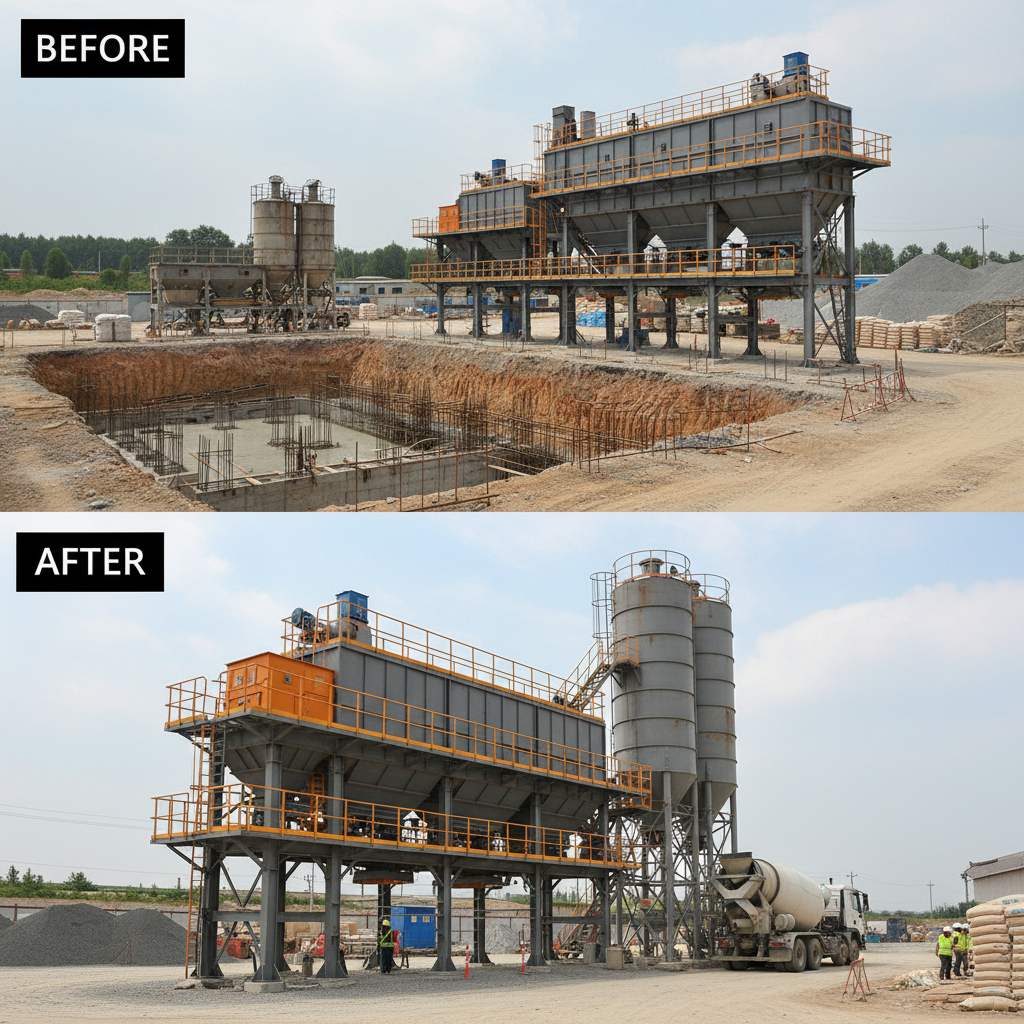
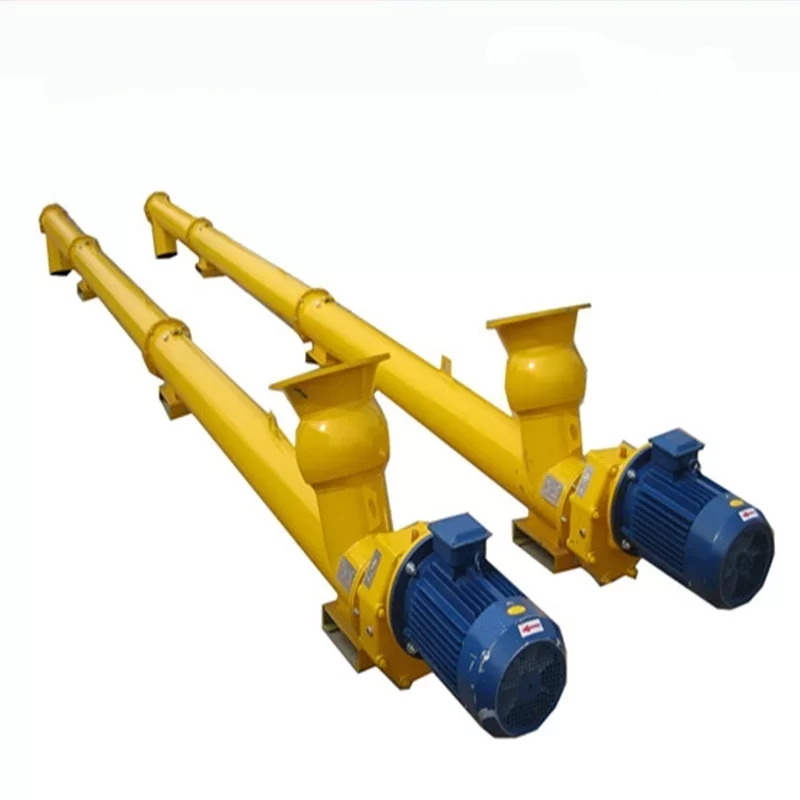
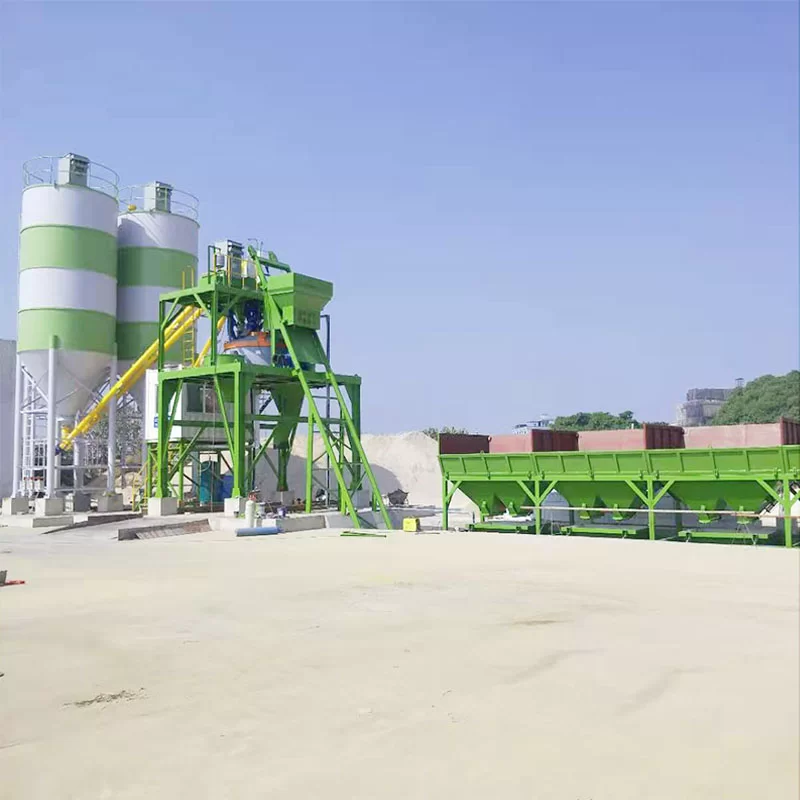
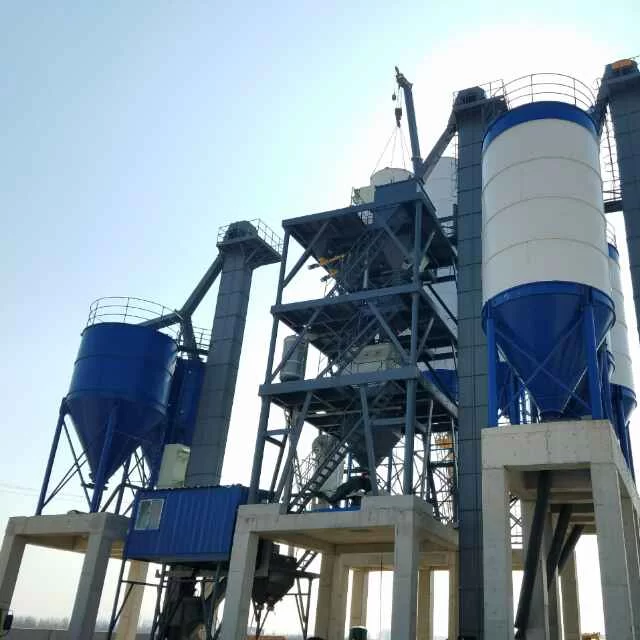
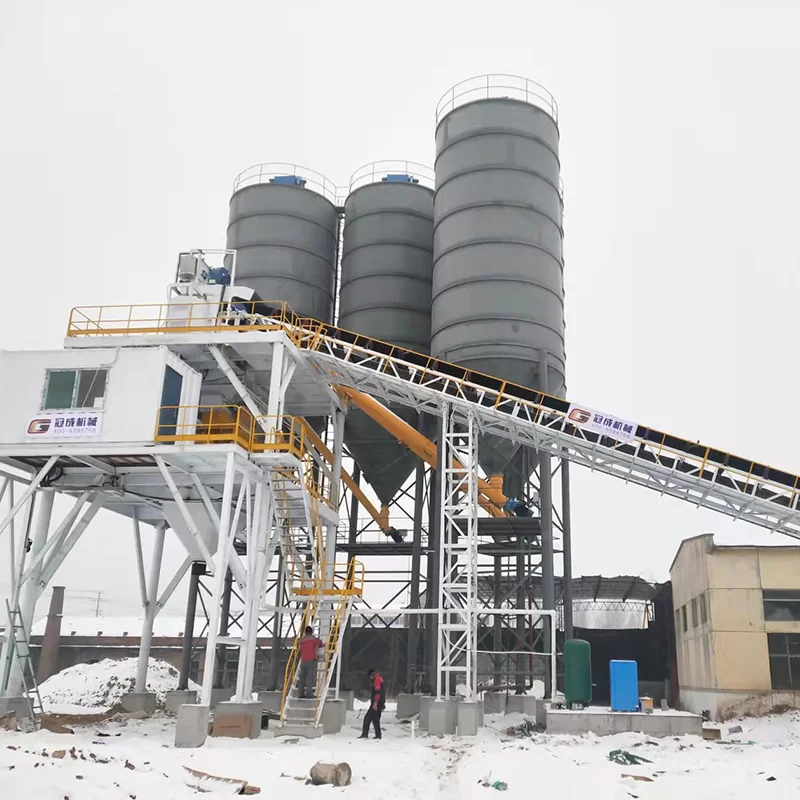
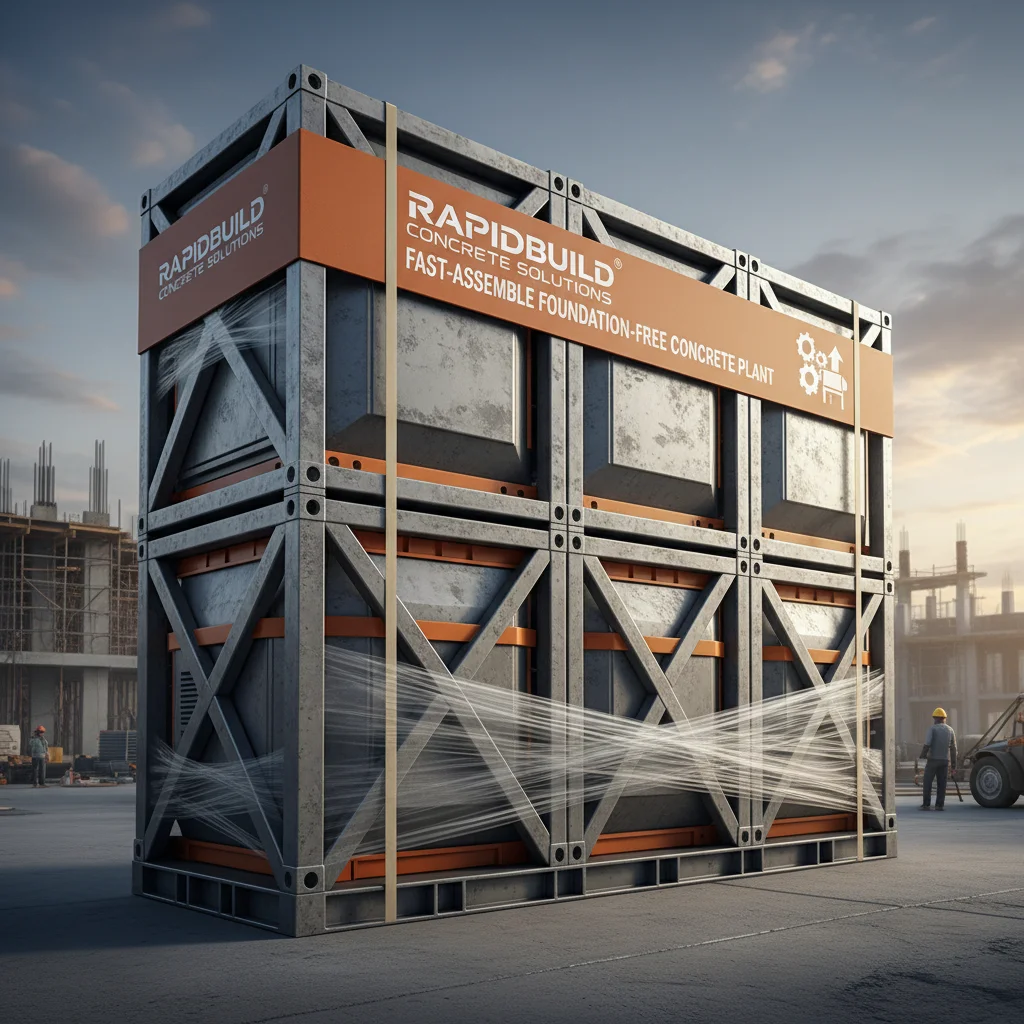
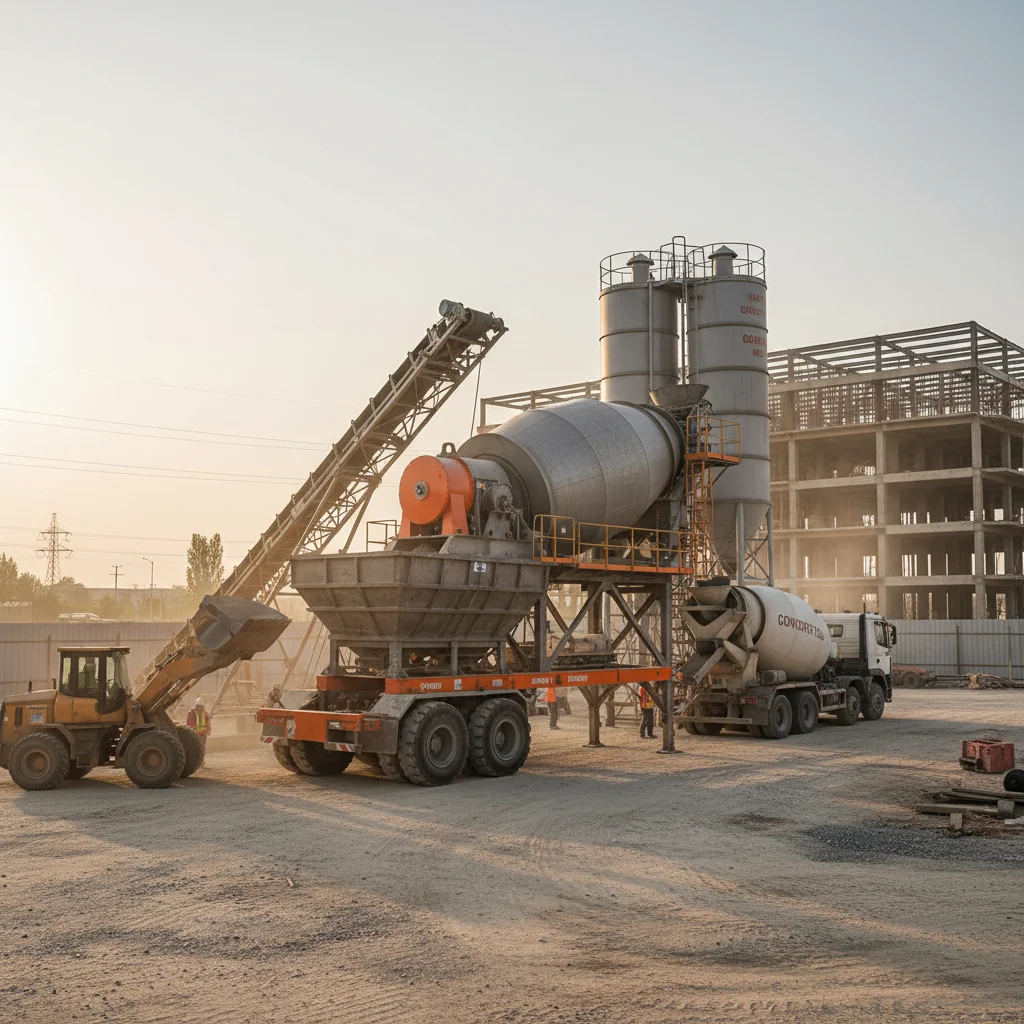
A no foundation concrete batching plant, as the name suggests, doesn't require a traditional concrete foundation for installation. Instead, these plants are designed to be assembled directly onto a prepared, level ground surface. This is achieved through a self-supporting structural design and the use of robust, stable frames. The key components—mixing unit, aggregate bins, cement silos, screw conveyors, and control system—are typically pre-assembled and easily transportable. This mobility is a significant advantage, allowing for rapid deployment to various project sites. The entire plant is designed for ease of disassembly and relocation, making it ideal for short-term or geographically dispersed projects.
Key Benefit: Reduced installation time and costs compared to traditional plants requiring extensive foundation work.
The Advantages of Choosing a No Foundation Plant
The benefits of opting for a no foundation concrete batching plant are numerous. Beyond the obvious cost savings on foundation construction, these plants offer enhanced flexibility. They are particularly well-suited for remote locations, temporary construction sites, and projects with tight deadlines. Because they require minimal site preparation, mobilization is significantly faster. Furthermore, these plants are often more environmentally friendly, as they leave a smaller footprint and minimize disruption to the surrounding landscape. Batch Plant Pro provides custom solutions to meet diverse project requirements.
No Foundation vs. Traditional Concrete Batching Plants: A Detailed Comparison
Understanding the key differences between no foundation and traditional concrete batching plants is crucial for making an informed decision. Traditional plants require substantial groundwork, including a reinforced concrete foundation to support the heavy equipment. This process can be time-consuming and expensive. No foundation plants, on the other hand, are designed for mobility and rapid deployment, eliminating the need for a permanent foundation. Here's a comparative overview:
Applications of No Foundation Concrete Batching Plants
These versatile plants excel in a variety of applications. They are ideal for infrastructure projects like road construction and bridge building, where mobility is essential. Precast concrete manufacturers also benefit from the flexibility of these plants. Furthermore, they are perfect for emergency construction situations, disaster relief efforts, and remote site operations where establishing a permanent concrete facility is impractical. From small-scale residential projects to large-scale commercial developments, a no foundation concrete batching plant can deliver efficient and cost-effective concrete production.
Key Considerations When Choosing a No Foundation Plant
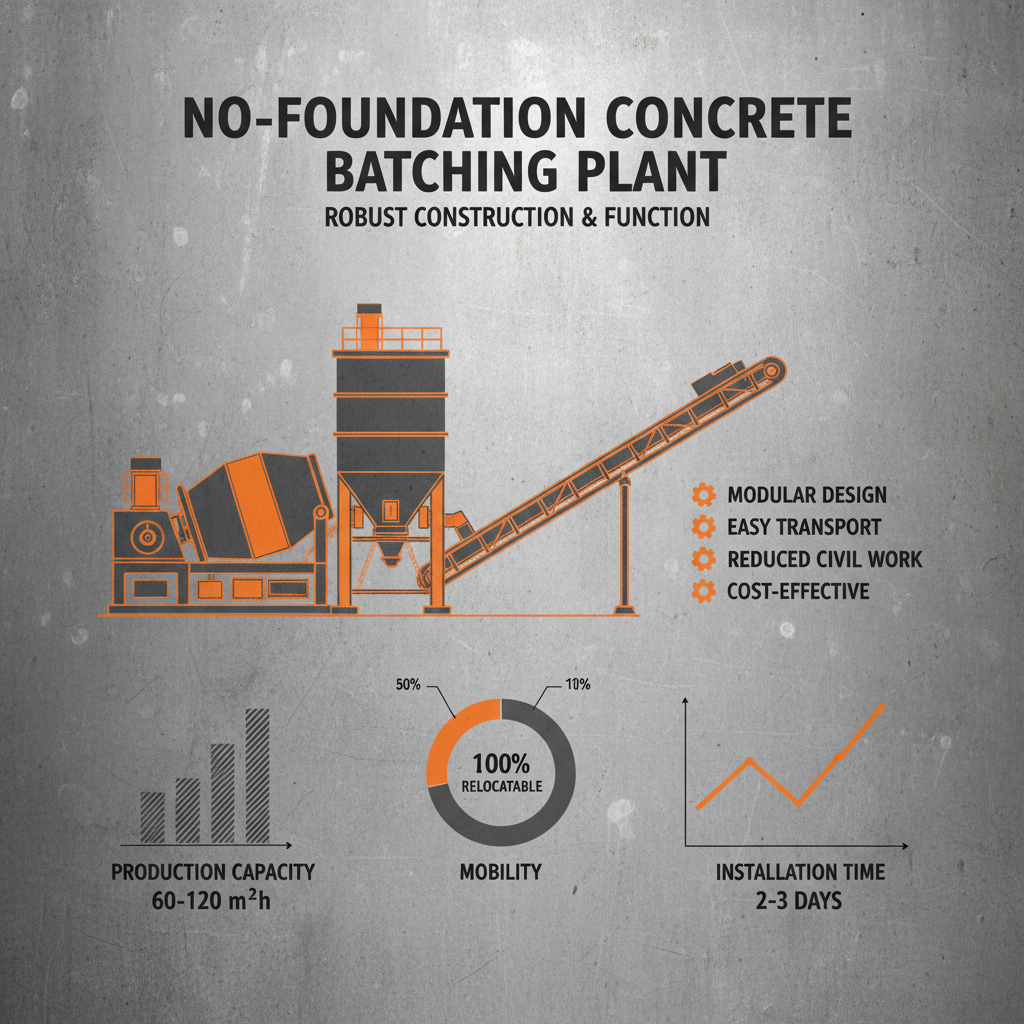
While offering numerous advantages, selecting the right no foundation concrete batching plant requires careful consideration. Assess your project's specific concrete output requirements, the types of concrete mixes needed, and the available space. Ensure the plant's capacity aligns with your production demands. Consider the power supply requirements and the availability of qualified personnel for operation and maintenance. Finally, prioritize reputable suppliers like Batch Plant Pro that offer comprehensive support and reliable equipment.
Conclusion: Embrace Efficiency with a No Foundation Concrete Batching Plant
A no foundation concrete batching plant represents a smart investment for businesses seeking flexibility, cost savings, and efficiency in concrete production. By eliminating the need for a permanent foundation, these plants unlock new possibilities for project deployment and streamline operations. If your projects demand mobility and rapid setup, explore the benefits of this innovative technology.
Frequently Asked Questions (FAQs)
What kind of ground preparation is required for a no foundation plant?
While these plants don't require a full concrete foundation, proper ground preparation is still crucial. The ground must be level, compacted, and capable of supporting the plant’s weight. Typically, a well-compacted gravel or crushed stone base is sufficient. It’s essential to ensure adequate drainage to prevent water accumulation. A geotechnical survey is recommended to assess the soil's load-bearing capacity and identify any potential issues before installation.
How long does it take to set up a no foundation concrete batching plant?
Setup time is significantly faster compared to traditional plants. Typically, a no foundation plant can be fully operational within a few days, depending on the plant's size and complexity. The majority of components are pre-assembled, requiring minimal on-site assembly. Connecting utilities (power and water) and calibrating the control system are the main tasks after physical setup.
What is the typical production capacity of a no foundation plant?
Production capacity varies depending on the plant’s size and configuration. Smaller, mobile plants typically range from 30 to 60 cubic meters per hour. Larger, more sophisticated units can achieve capacities of 80 to 120 cubic meters per hour. It’s important to select a plant with a capacity that matches your project’s concrete demand. Batch Plant Pro can help you determine the appropriate size for your needs.
What maintenance is required for a no foundation concrete batching plant?
Regular maintenance is essential for optimal performance and longevity. This includes routine inspections of the mixing unit, conveyor systems, and control panel. Lubricating moving parts, cleaning aggregate bins, and checking for wear and tear are crucial. Following the manufacturer's recommended maintenance schedule and employing skilled technicians will minimize downtime and ensure reliable operation.
Hit enter to search or ESC to close


