

April 16, 2026
Efficiency Redefined: The Mobile Foundation-Free Concrete Batching Plant
In the fast-paced world of modern construction, agility and speed are the primary drivers of profitability. The emergence of the mobile foundation-free concrete batching plant has revolutionized how contractors approach on-site concrete production. By eliminating the need for costly and time-consuming reinforced concrete foundations, these plants allow for rapid deployment and effortless relocation. Whether you are managing a remote highway project or a series of urban developments, understanding the advantages of this technology is key to optimizing your workflow and reducing overhead costs. In this guide, we will explore why this specific setup is becoming the industry standard for flexible infrastructure projects.
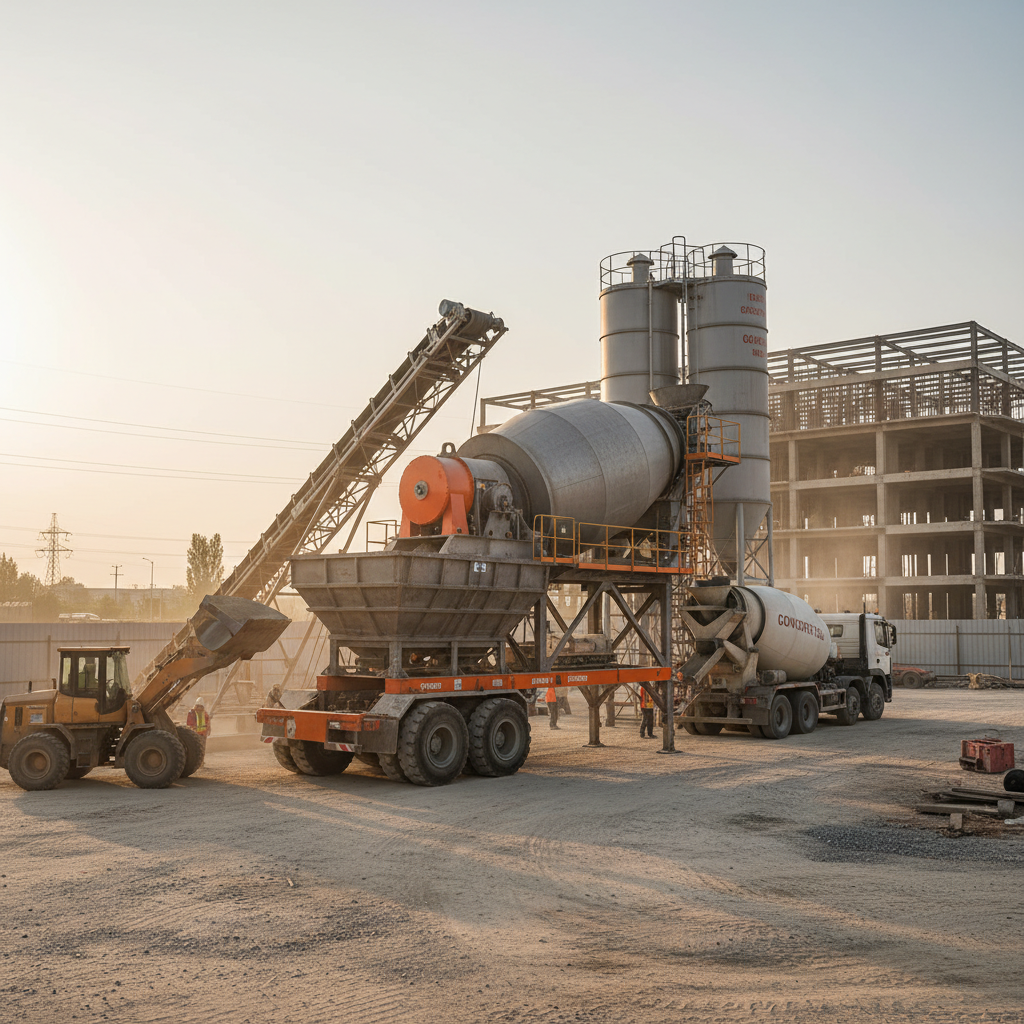
The Core Advantages of a Mobile Foundation-Free Concrete Batching Plant
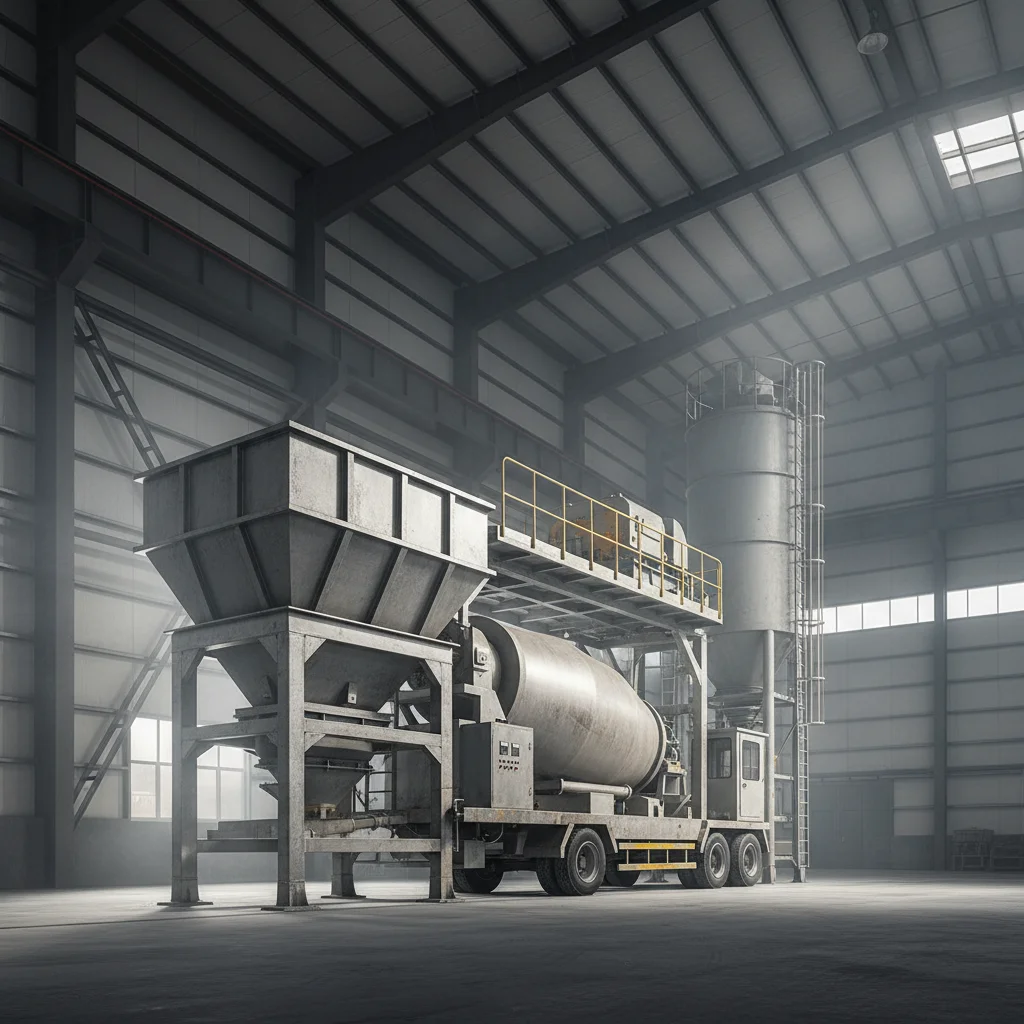
The most striking feature of a mobile foundation-free concrete batching plant is its structural independence. Traditional plants require extensive civil engineering work just to set up the base, which can take weeks to cure. In contrast, the foundation-free design utilizes a specialized support chassis that distributes weight evenly across a leveled ground surface. This means immediate installation and zero demolition costs when it is time to move to a new site. This flexibility is indispensable for projects with multiple delivery points, as it minimizes the transport distance of wet concrete, thereby ensuring higher quality and reducing carbon emissions from transit trucks.
Key Strategic Benefit: By bypassing the foundation phase, companies can reduce their initial site setup time by up to 70%, allowing project timelines to accelerate and capital to be utilized more efficiently.
Technical Specifications of the Mobile Foundation-Free Concrete Batching Plant
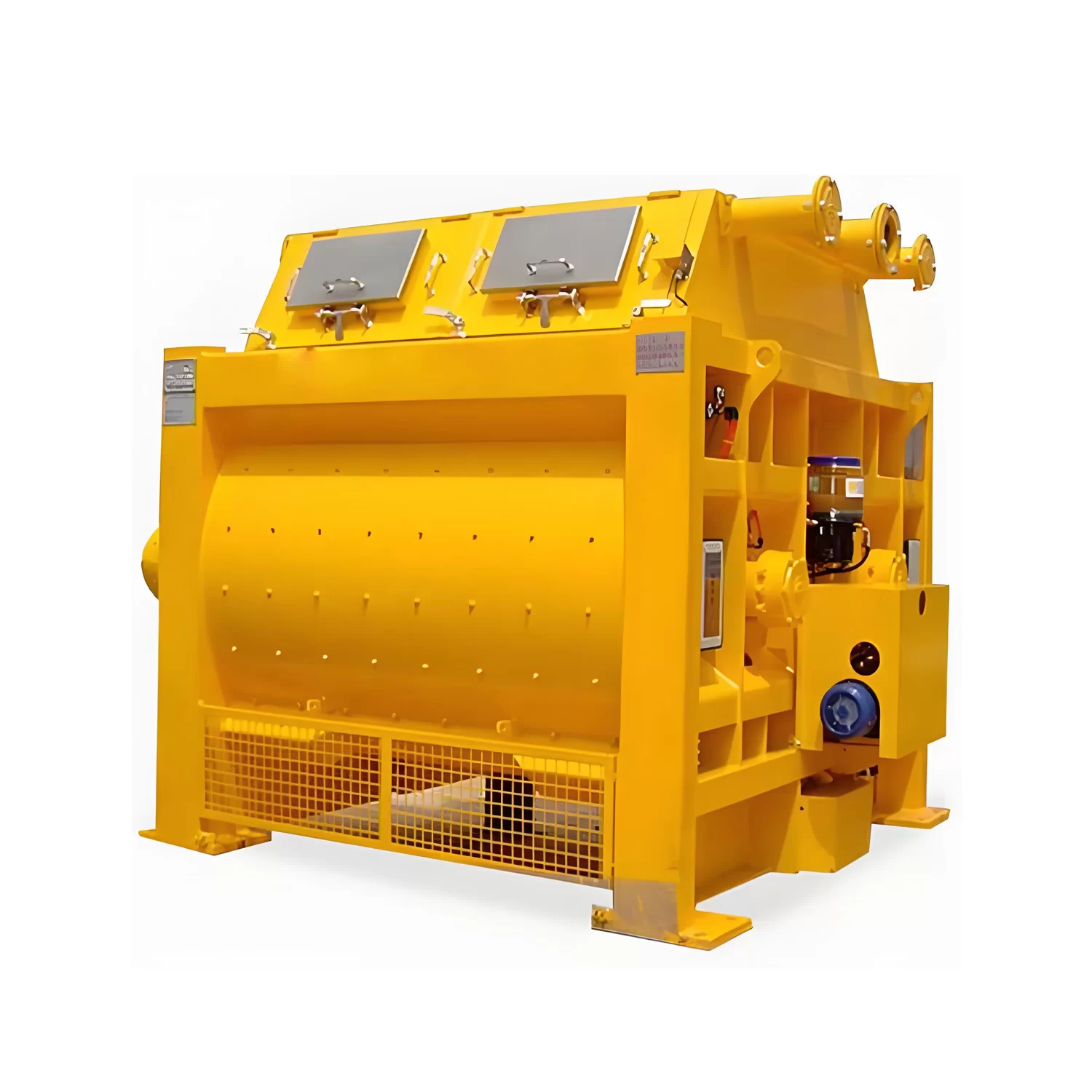
When selecting the right equipment, technical precision is non-negotiable. A high-quality mobile foundation-free concrete batching plant integrates advanced weighing sensors and a robust mixing system within a compact, transportable frame. These plants are engineered to handle various aggregate sizes while maintaining a precise water-cement ratio, ensuring that the concrete meets strict architectural standards. Below is a detailed specification table for a standard medium-capacity mobile unit.
Comparing Mobile Foundation-Free vs. Stationary Batching Plants
Deciding between a stationary plant and a mobile foundation-free concrete batching plant depends entirely on the project's nature. Stationary plants are ideal for long-term production in a fixed location, such as a precast concrete factory. However, for infrastructure projects like dams, bridges, and highways, the mobile version is vastly superior. The primary difference lies in the Initial Investment in Infrastructure. While a stationary plant requires a massive concrete slab to support the weight and vibration, the mobile plant is designed to absorb these forces through its own frame.
Comparison Highlights:
• Installation: Mobile (Days) vs. Stationary (Weeks/Months)
• Mobility: High (Towed/Transportable) vs. Zero (Fixed)
• Cost: Lower setup cost for mobile units
• Site Impact: Minimal environmental disruption with mobile units
Optimizing ROI with Mobile Foundation-Free Solutions
The Return on Investment (ROI) for a mobile foundation-free concrete batching plant is realized through three main avenues: reduced labor, eliminated foundation costs, and minimized logistics. By producing concrete exactly where it is needed, you eliminate the risk of "cold joints" caused by traffic delays and significantly reduce the cost of renting multiple transit mixers. Furthermore, the modular nature of these plants means they can be sold or moved to another project after the first one is completed, preserving the asset's value over time.
Common Applications for Mobile Concrete Plants
The versatility of a mobile foundation-free concrete batching plant makes it the preferred choice for a variety of specialized environments. In remote mountainous regions where transporting wet concrete is impossible, these plants provide the only viable solution. They are also widely used in urban "in-fill" projects where space is limited and there is no room to build a permanent facility. From emergency disaster recovery projects to high-speed rail construction, the ability to set up and start producing in a matter of hours is a competitive advantage that cannot be overlooked.
Maintenance and Sustainability of Foundation-Free Plants
Sustainability is no longer optional in the construction industry. A mobile foundation-free concrete batching plant contributes to "green" building practices by reducing the carbon footprint associated with concrete transport. Additionally, because these plants do not require a permanent concrete foundation, the site can be restored to its original state more easily after the project. Maintenance is simplified through modular designs that allow for the quick replacement of wear parts, ensuring that downtime is kept to an absolute minimum.
Conclusion: The Future of On-Site Concrete Production
The transition toward a mobile foundation-free concrete batching plant represents a shift toward leaner, more intelligent construction management. By combining high production capacity with extreme mobility, these plants remove the bottlenecks of site preparation and logistics. For any contractor looking to increase efficiency and reduce operational risks, investing in foundation-free technology is the smartest path forward. Experience the freedom of mobility and the precision of industrial batching today.
Frequently Asked Questions (FAQs)
Does a foundation-free plant really require no foundation at all?
Yes, that is the primary purpose of the design. While a traditional plant requires a reinforced concrete slab to handle the static and dynamic loads, a foundation-free plant uses a heavy-duty integrated steel chassis. However, it is important to note that the ground must be level and compacted. A simple layer of crushed stone or a well-leveled dirt surface is usually sufficient. This eliminates the need for curing time and expensive civil engineering, making it an ideal choice for temporary sites.
How long does it take to install a mobile foundation-free concrete batching plant?
One of the biggest advantages is the installation speed. Depending on the model and the scale of the project, a mobile foundation-free concrete batching plant can be operational within a few days. The process involves transporting the modular components to the site, positioning them on leveled ground, and connecting the electrical and water systems. Compared to the weeks or months required for stationary plants, this allows for an almost immediate start to the concrete pouring phase of your project.
Is the concrete quality the same as that from a stationary plant?
Absolutely. The quality of concrete depends on the precision of the batching system and the efficiency of the mixer, not the foundation of the plant. Modern mobile plants are equipped with high-precision electronic sensors and PLC control systems that ensure the exact ratio of cement, water, and aggregates. In many cases, the concrete quality from a mobile plant is actually superior because it is used immediately after mixing, eliminating the degradation and water loss that occur during long-distance transport from a stationary city plant.
Can these plants be moved multiple times during a single project?
Yes, they are specifically designed for this. The modular components can be disassembled or simply towed (depending on the model) to a new location. This is particularly useful for linear projects like road construction or pipelines, where the production point needs to move forward as the project progresses. By moving the plant closer to the point of application, you significantly reduce transport costs and ensure the concrete remains at the optimal temperature and consistency for pouring.
Hit enter to search or ESC to close


