

April 09, 2026
Efficiency Redefined: The Foundation-Free Fast-Assemble Concrete Plant
In the fast-paced world of modern construction, the ability to deploy resources quickly and efficiently can be the difference between a project's success and its delay. The foundation-free fast-assemble concrete plant is revolutionizing the industry by eliminating the need for costly and time-consuming concrete foundations. Designed for mobility and rapid deployment, this innovative system allows contractors to set up high-capacity production sites in a fraction of the traditional time. Whether you are managing a remote infrastructure project or a temporary urban development, understanding the advantages of this technology is key to optimizing your operational workflow.
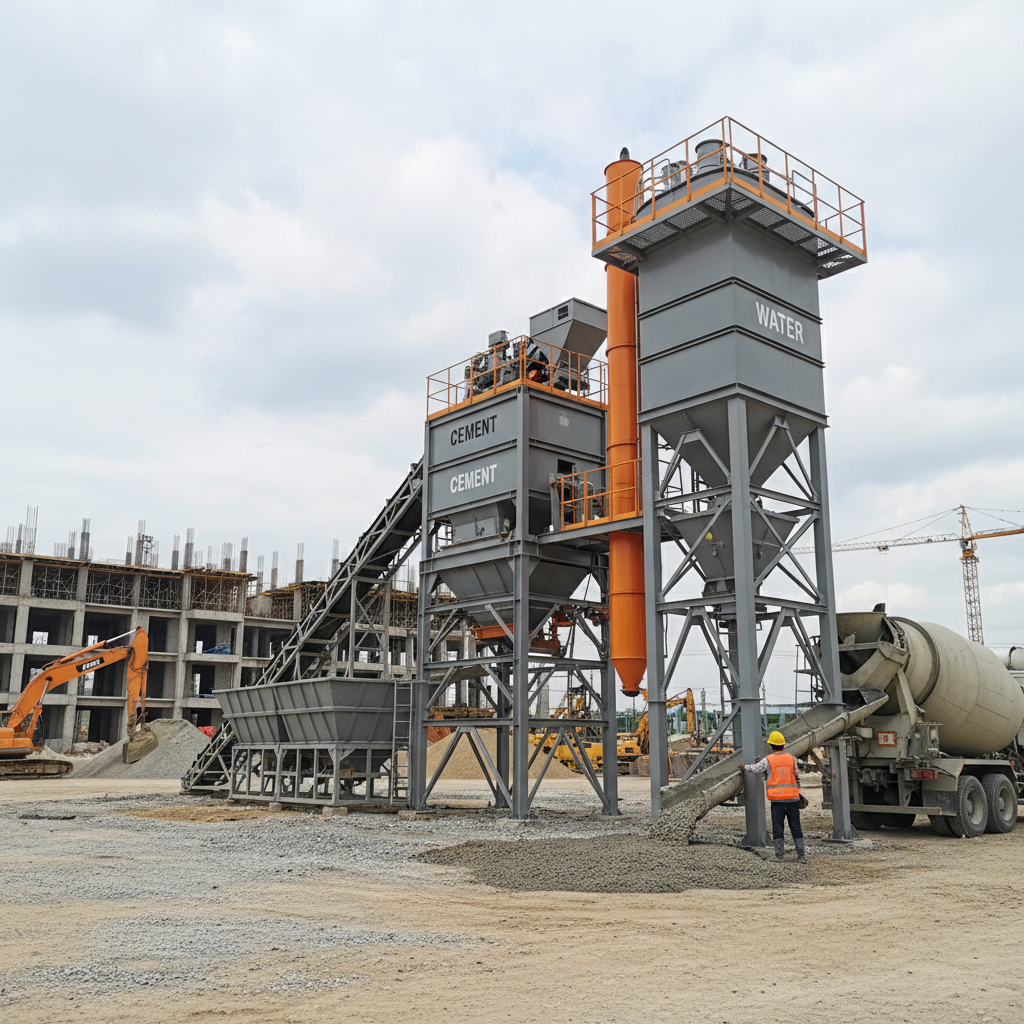
The Core Advantages of Foundation-Free Design
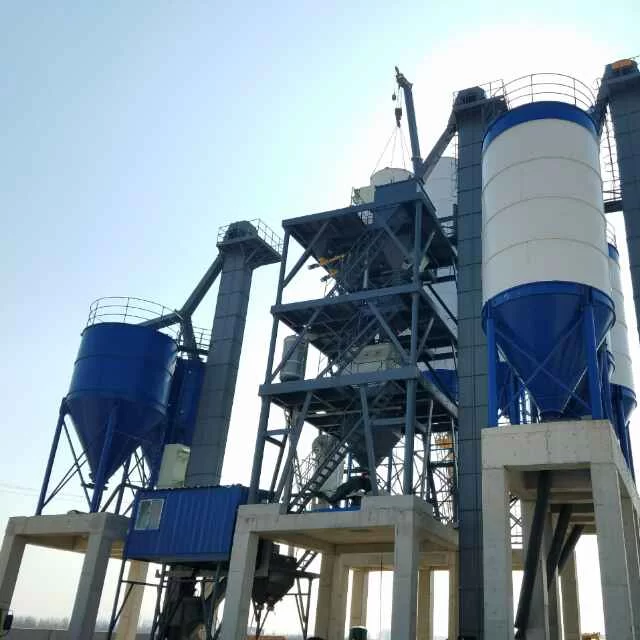
Traditional concrete plants require extensive civil engineering work to create a stable base, often taking weeks to cure. The foundation-free fast-assemble concrete plant utilizes a specialized support structure that distributes weight evenly across a leveled ground surface. This removes the need for reinforced concrete slabs, drastically reducing initial investment costs and environmental impact. By utilizing high-strength steel frameworks and precision-engineered leveling jacks, these plants maintain absolute stability even under full load, ensuring that mixing accuracy remains consistent regardless of the location.
Key Highlights: No curing time required for foundations, significant reduction in site preparation costs, and a smaller ecological footprint due to the lack of permanent concrete installations.
Rapid Deployment with Fast-Assemble Concrete Plant Technology
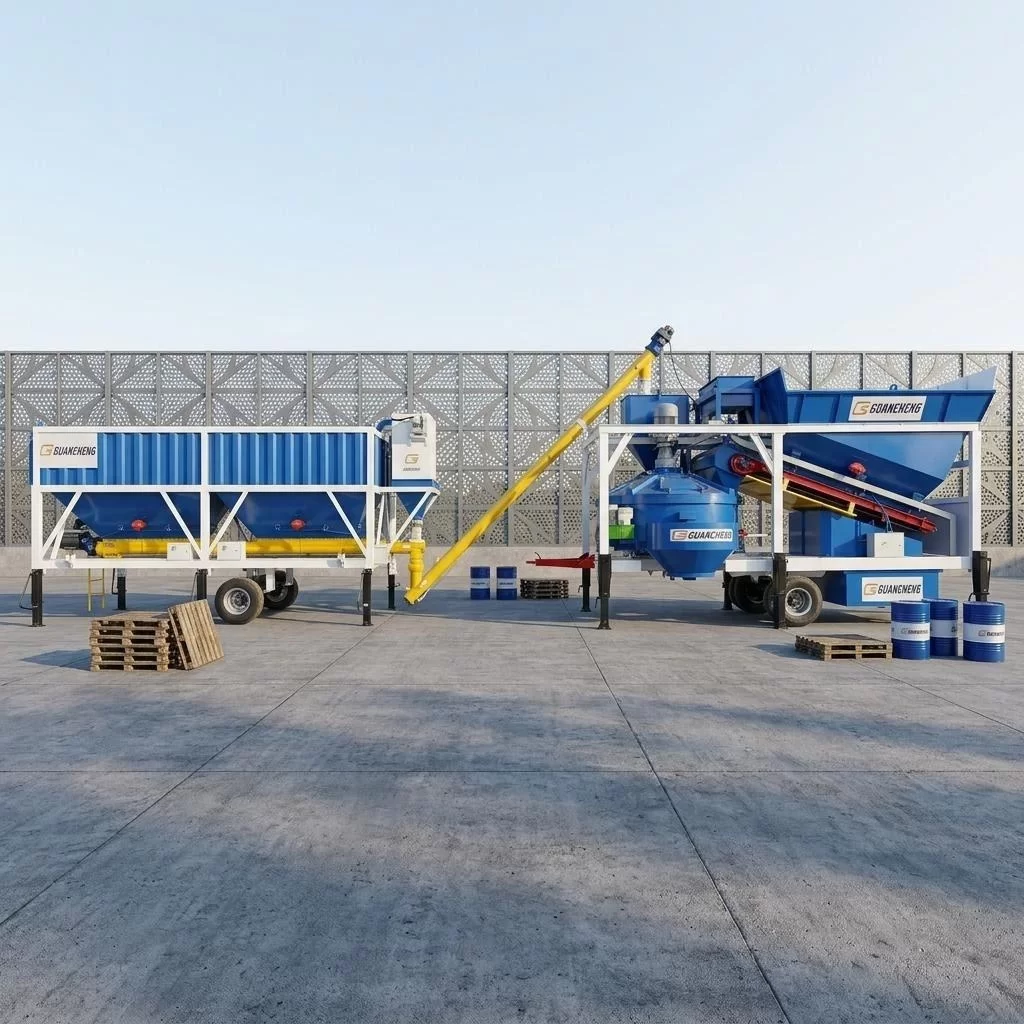
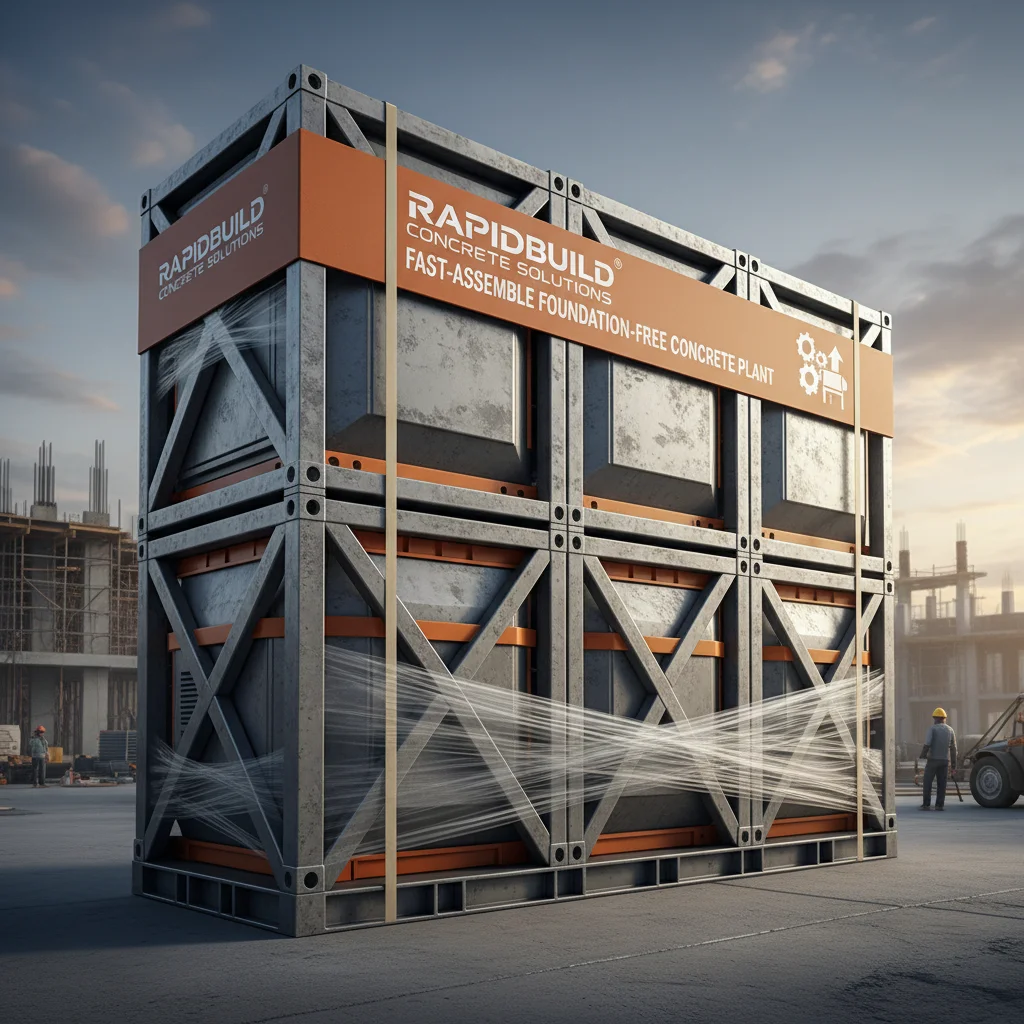
Speed is the primary driver behind the adoption of the foundation-free fast-assemble concrete plant. Most of the components are pre-fabricated and modular, meaning they arrive at the site ready to be bolted together. This "plug-and-play" approach minimizes the need for specialized on-site welding or complex assembly. For companies operating on tight deadlines, this means transitioning from shipment arrival to first-batch production in just a few days. The integration of automated control systems further accelerates the process, allowing for rapid calibration and immediate operational readiness.
Comparing Traditional vs. Foundation-Free Fast-Assemble Concrete Plants
When analyzing the ROI, it becomes clear that the foundation-free fast-assemble concrete plant offers superior flexibility. Traditional plants are essentially permanent fixtures; once the foundation is poured, moving the plant is a logistical nightmare. In contrast, fast-assemble plants are designed for relocation. If a project phase ends or a new site opens up, the plant can be dismantled and moved with minimal effort. This adaptability makes them ideal for road construction, bridge building, and large-scale housing developments where the production center must move with the progress of the work.
Technical Specifications of Modern Concrete Plants
To maintain industrial-grade quality without a permanent base, the foundation-free fast-assemble concrete plant incorporates high-precision weighing sensors and robust mixing drums. These plants are typically equipped with PLC (Programmable Logic Controller) systems that ensure a consistent mix ratio, which is critical for structural safety. The stability is guaranteed through a wide-base support system that prevents vibration-induced shifting. Below are the typical specifications for a mid-range unit:
Sustainability and Environmental Impact
Sustainability is no longer optional in construction. The use of a foundation-free fast-assemble concrete plant contributes significantly to "green" building practices. By eliminating the need for a massive concrete foundation for the plant itself, you reduce the total volume of cement used and decrease the amount of land disturbance. Furthermore, the ability to move the plant closer to the point of use reduces the transport distance for wet concrete, which lowers fuel consumption and carbon emissions from transit mixers. This lean approach to site logistics ensures that resources are used where they are most needed.
Optimizing Site Logistics for Maximum Output
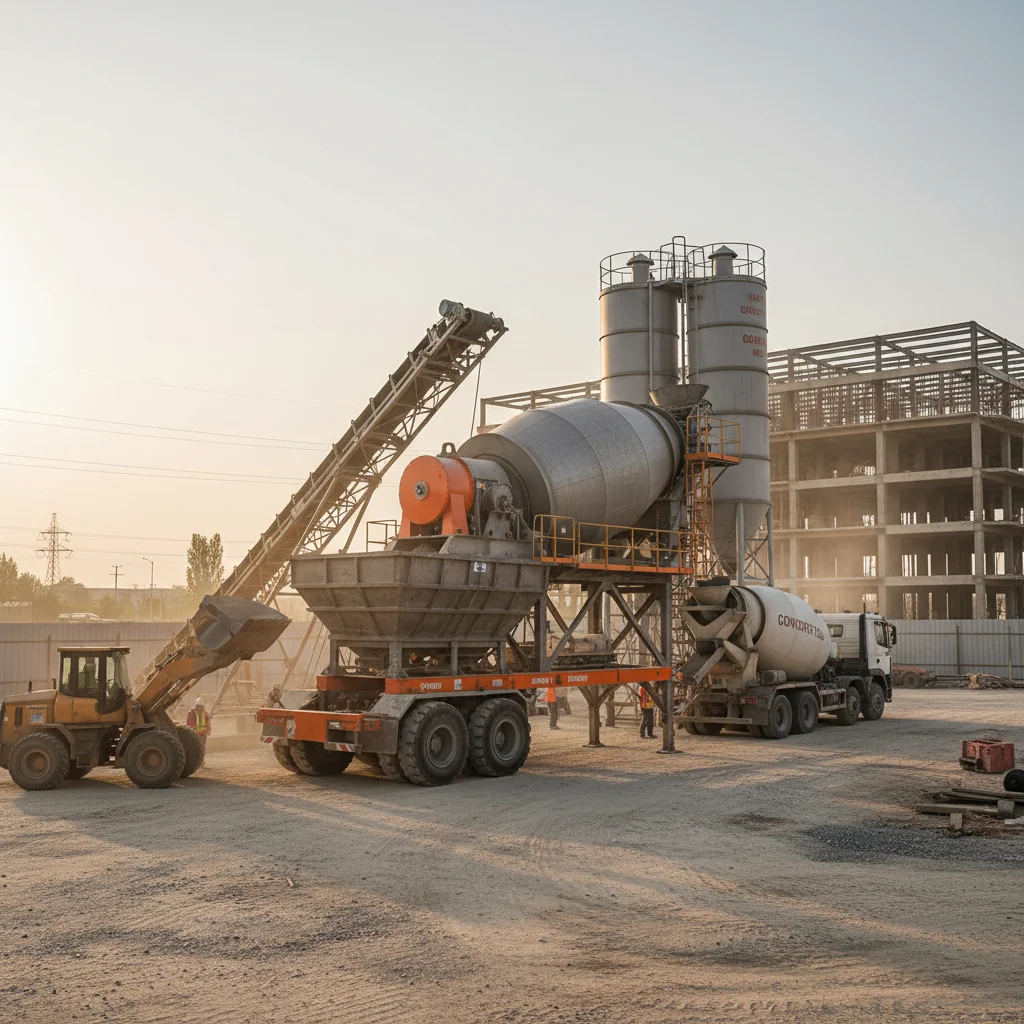
To get the most out of your foundation-free fast-assemble concrete plant, strategic site planning is essential. Since the plant does not require a foundation, the primary focus shifts to ground leveling and accessibility. Ensuring a compacted gravel or crushed stone base provides the necessary support and prevents mud accumulation during rainy seasons. Additionally, positioning the plant to minimize the travel path of aggregate loaders and concrete trucks can increase daily output by up to 15%. When combined with an efficient assembly process, the result is a high-performance production hub that evolves with your project's needs.
Conclusion: The Future of Concrete Production
The transition toward the foundation-free fast-assemble concrete plant represents a shift toward agility and efficiency in construction. By slashing setup times, reducing civil costs, and providing unmatched mobility, these plants empower contractors to stay competitive and responsive. Investing in modular, foundation-free technology is not just about saving time—it's about adopting a smarter, more sustainable way of building. Embrace the efficiency of rapid assembly and elevate your project's productivity today.
Frequently Asked Questions (FAQs)
Is a foundation-free plant as stable as a traditional one?
Yes, provided the ground is properly leveled and compacted. Modern foundation-free plants use heavy-duty steel supports and advanced leveling systems that distribute the load across a wider area. This design effectively manages the vibrations produced during the mixing process, ensuring the plant remains stable and the mixing quality is not compromised. For very soft soil, a simple layer of crushed stone is usually sufficient to provide the necessary bearing capacity.
How long does the "fast-assemble" process actually take?
The assembly time typically ranges from 3 to 7 days, depending on the plant's capacity and the size of the installation team. Because the components are pre-engineered and modular, most of the work involves bolting sections together rather than on-site fabrication. This is a stark contrast to traditional plants, where the foundation curing alone can take several weeks before the actual machinery is even installed.
Can these plants be moved multiple times?
Absolutely. One of the primary selling points of the foundation-free fast-assemble concrete plant is its relocatability. The modular design allows the plant to be dismantled into transportable sections. This makes it the ideal choice for linear projects like highways or railways, where the production center must move as the construction front advances.
What are the cost savings compared to traditional plants?
Cost savings occur in three main areas: First, you eliminate the expense of designing and pouring a reinforced concrete foundation. Second, you significantly reduce labor costs associated with long-term site preparation. Third, you reduce logistics costs by placing the plant closer to the point of use. For many contractors, these combined savings can reduce the initial setup budget by 20% to 40% while accelerating the project timeline.
Hit enter to search or ESC to close


