

April 07, 2026
Foundation-Free Mobile Concrete Batching Plant: A Comprehensive Guide
In the fast-paced world of construction, efficiency and mobility are paramount. A foundation-free mobile concrete batching plant offers a solution to these demands, delivering concrete production directly to your job site. This article explores the benefits, applications, components, and key considerations when choosing a mobile batching plant, with a focus on foundation-free models. We'll examine how these plants streamline operations, reduce costs, and enhance project timelines.
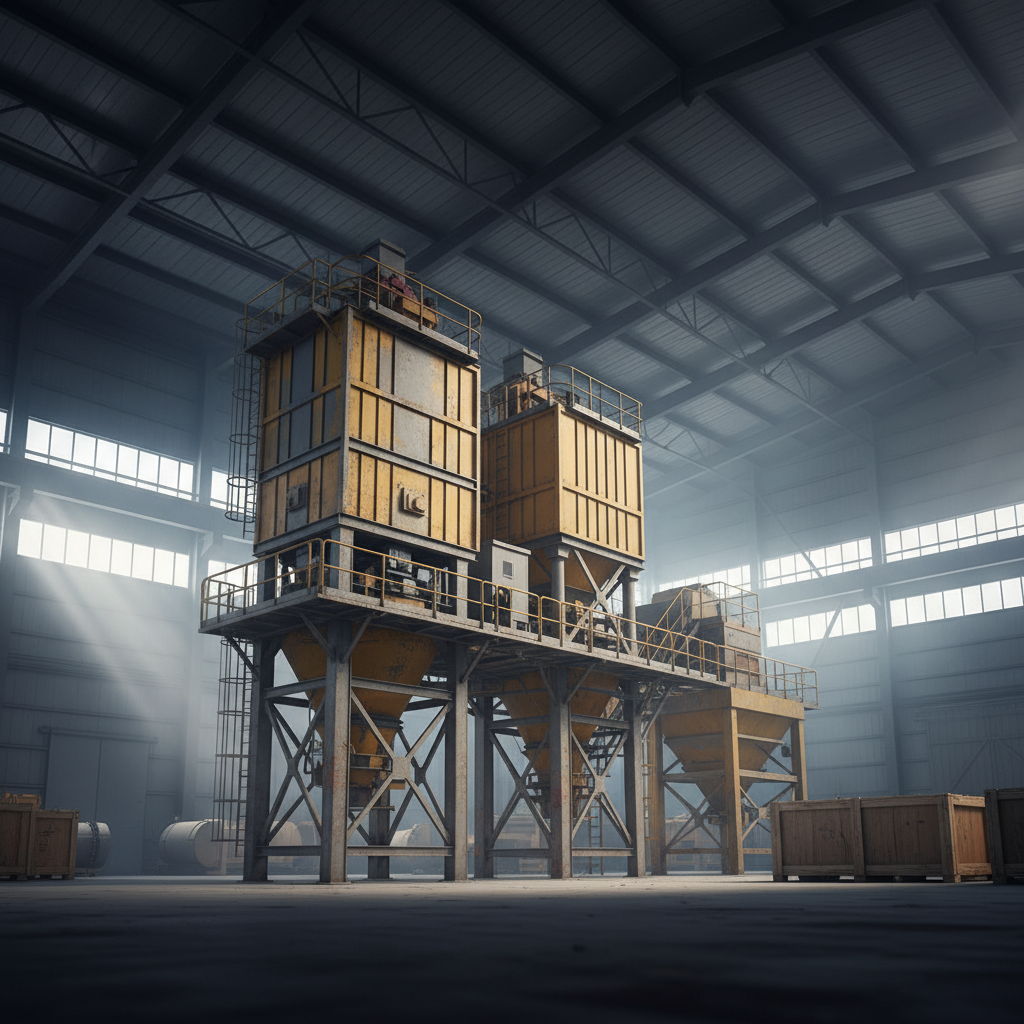
Understanding Foundation-Free Mobile Concrete Batching Plants
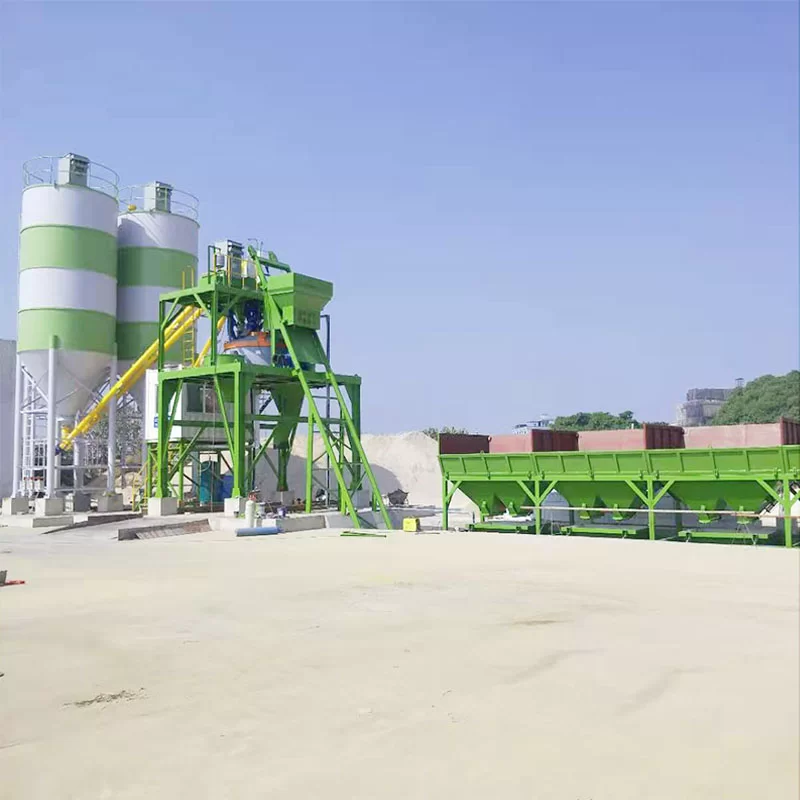
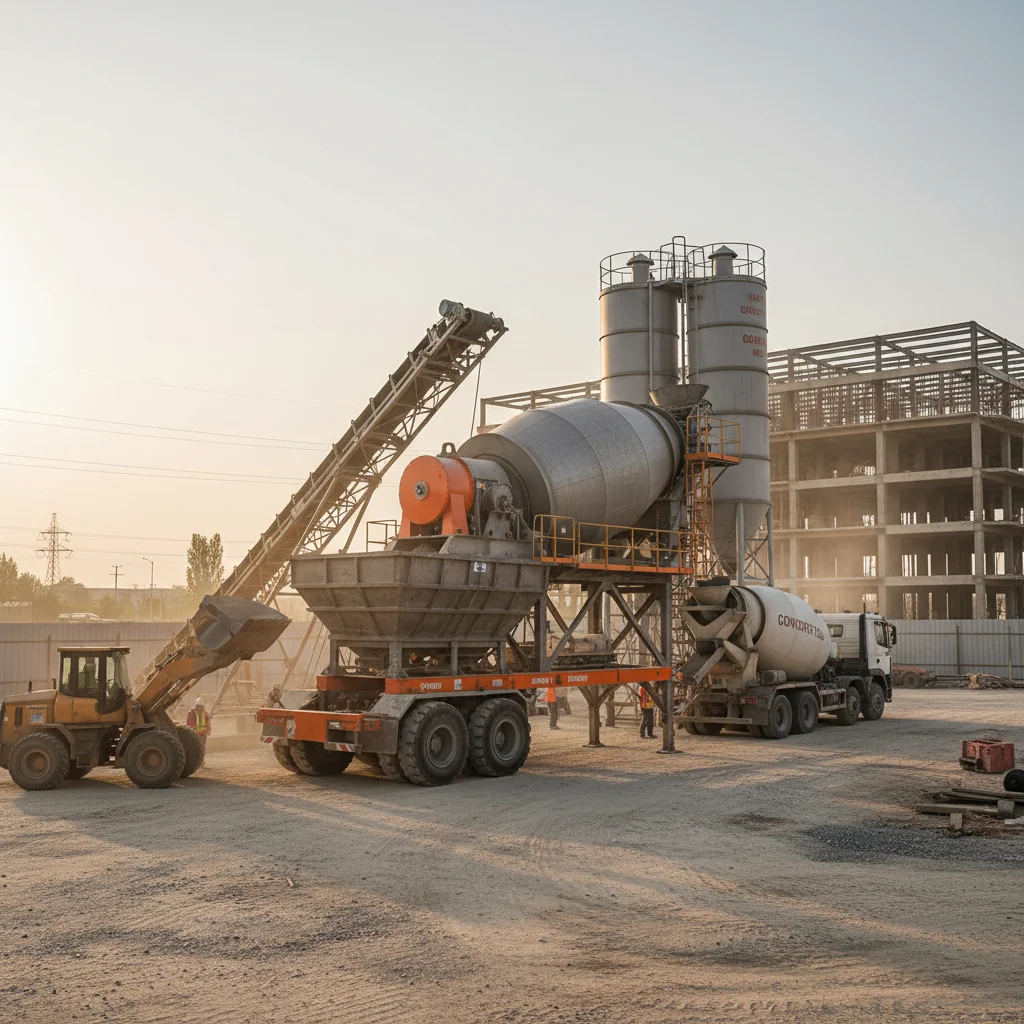
Unlike traditional concrete batching plants that require substantial concrete foundations, foundation-free mobile plants are designed for portability and quick setup. They are built on a chassis, often with wheels or tracks, allowing for easy transportation between job sites. The self-contained nature of these plants means all essential components – including the mixer, aggregate bins, cement silos, and control system – are integrated into a single, mobile unit. This minimizes installation time and costs, making them ideal for projects with short durations or remote locations.
Key Benefit: Reduced Setup Costs & Time. Foundation-free plants eliminate the need for costly foundation work, significantly shortening the setup process and allowing for quicker project commencement.
The Core Components of a Mobile Batching Plant
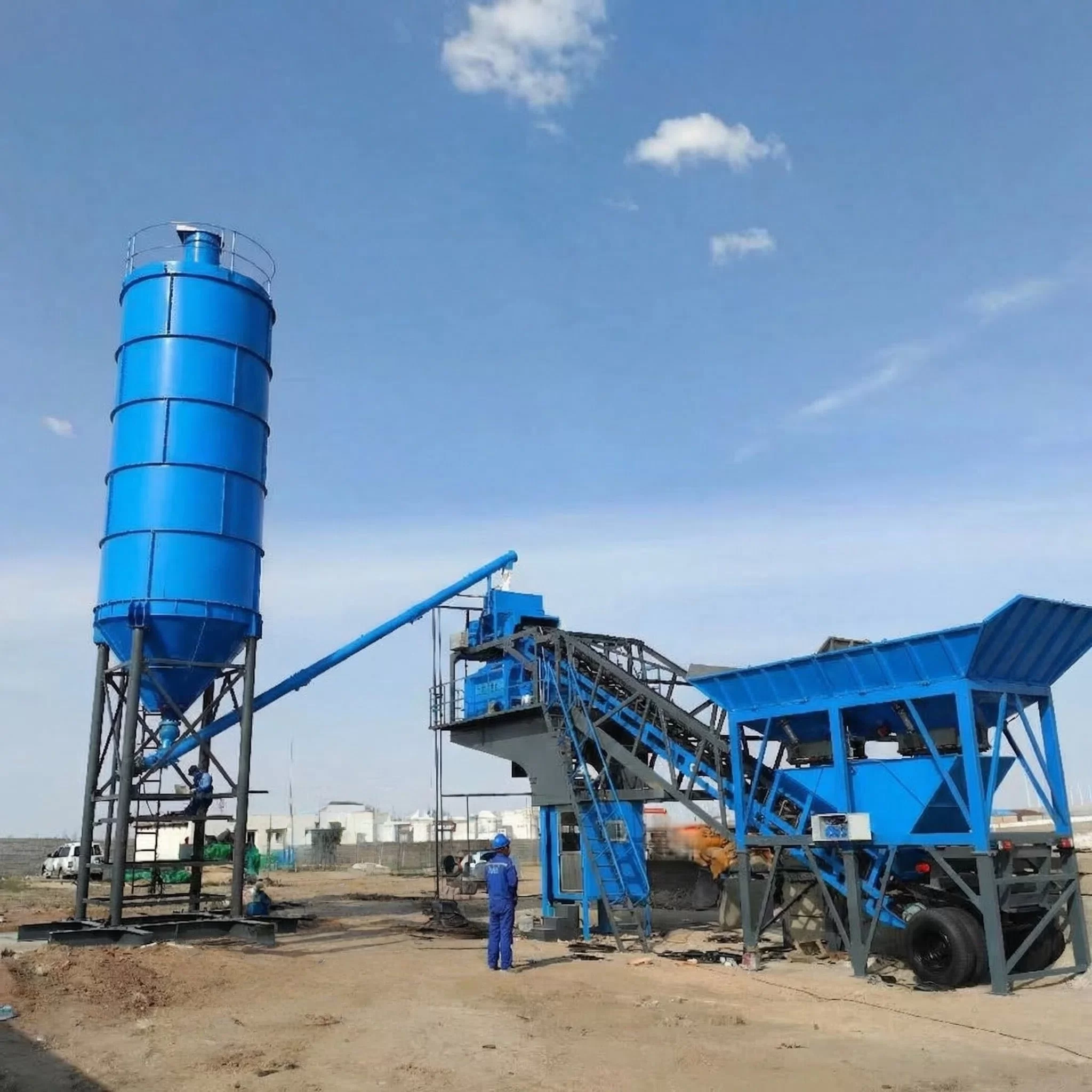
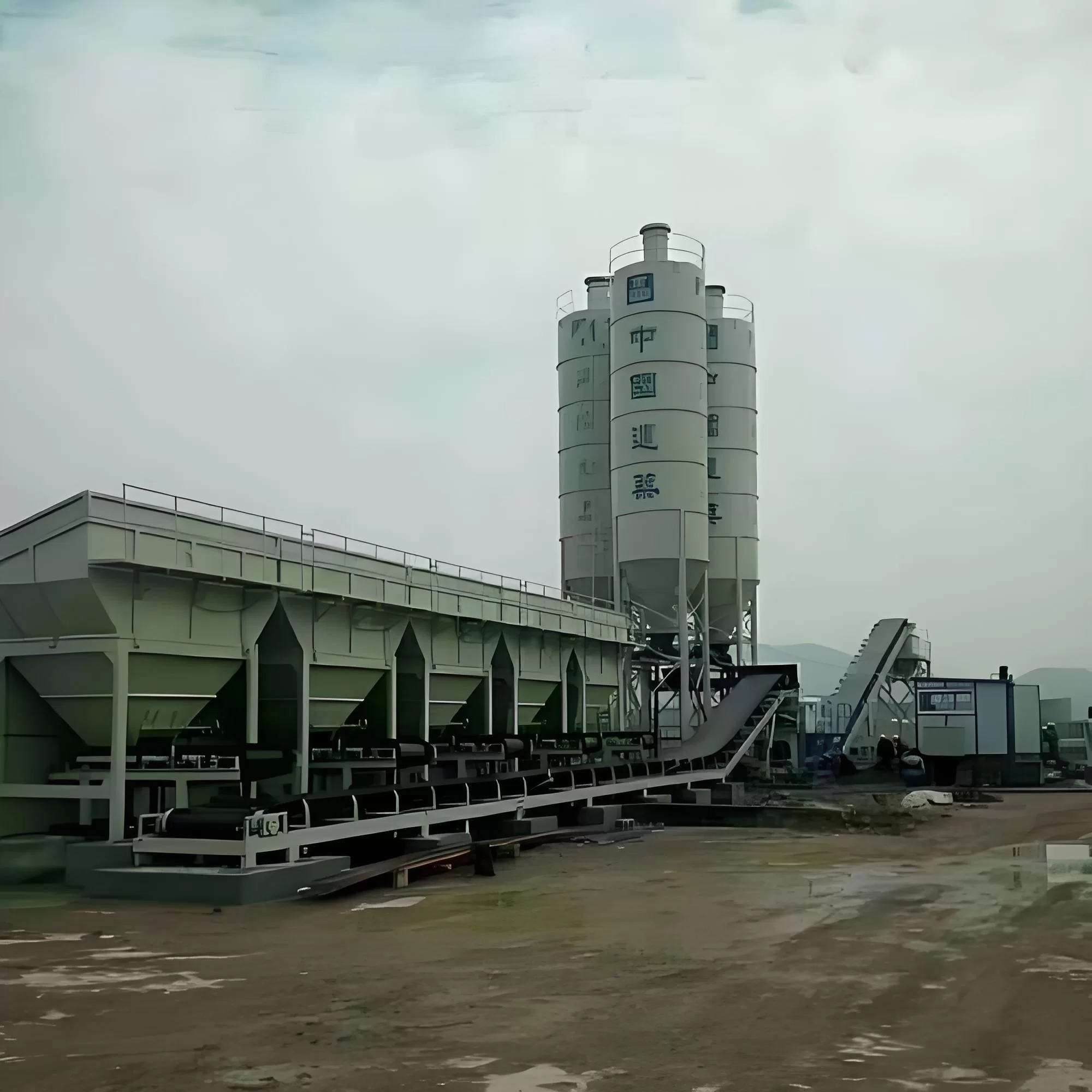
A typical foundation-free mobile concrete batching plant comprises several key components. The aggregate bins store different sizes of sand and gravel. Cement silos hold the cement, and a weighing system ensures accurate ingredient proportions. The heart of the plant is the concrete mixer, where the ingredients are blended. A control system, often computerized, automates the batching process. Finally, a discharge chute delivers the mixed concrete. Each component is carefully integrated to maximize efficiency and minimize downtime. Batch Plant Pro offers customized solutions designed to meet specific project requirements.
Applications: Where Do Foundation-Free Plants Excel?
These plants are particularly well-suited for a variety of applications, including road construction, bridge building, tunnel projects, and remote construction sites. They are also invaluable for precast concrete operations and infrastructure development in areas with limited access or unstable ground conditions. Their portability allows them to follow the progress of the construction, reducing transportation costs and ensuring a consistent supply of fresh concrete. The ability to quickly relocate a mobile concrete plant also reduces concrete waste.
Ideal Use Cases:
• Road Construction & Repair
• Bridge & Tunnel Projects
• Remote & Rural Construction
• Infrastructure Development
Foundation-Free vs. Stationary Plants: A Detailed Comparison
Choosing between a foundation-free mobile plant and a traditional stationary plant depends on project specifics. Stationary plants offer higher production capacities but demand significant upfront investment in land and infrastructure. Mobile plants, while typically having lower capacities, prioritize flexibility and cost-effectiveness. Here's a comparison table to illustrate the key differences:
Choosing the Right Mobile Batching Plant: Key Considerations
When selecting a foundation-free mobile concrete batching plant, consider factors like production capacity, the size of your job site, the type of concrete required, and your budget. Ensure the plant meets all relevant safety standards and regulations. Also, prioritize a reputable supplier that offers comprehensive support, including installation, training, and maintenance. Batch Plant Pro provides expert guidance to help you select the optimal solution for your project needs.
Conclusion: Embracing Mobility in Concrete Production
The foundation-free mobile concrete batching plant represents a significant advancement in concrete production technology. Its portability, rapid setup, and cost-effectiveness make it an ideal solution for a wide range of construction projects. By embracing this technology, contractors can optimize efficiency, reduce expenses, and deliver high-quality concrete exactly where and when it’s needed.
Frequently Asked Questions (FAQs)
What is the typical production capacity of a foundation-free mobile plant?
Production capacities vary depending on the plant’s size and configuration. Smaller, more compact models may produce around 30-50 cubic meters per hour, while larger plants can reach capacities of 80-100 cubic meters per hour. It’s crucial to assess your project’s concrete demand to select a plant with an appropriate output. Factors like mixing cycle time, aggregate loading rates, and cement delivery speed all contribute to overall production. Batch Plant Pro offers plants customized to specific capacity needs.
What kind of maintenance is required for a mobile batching plant?
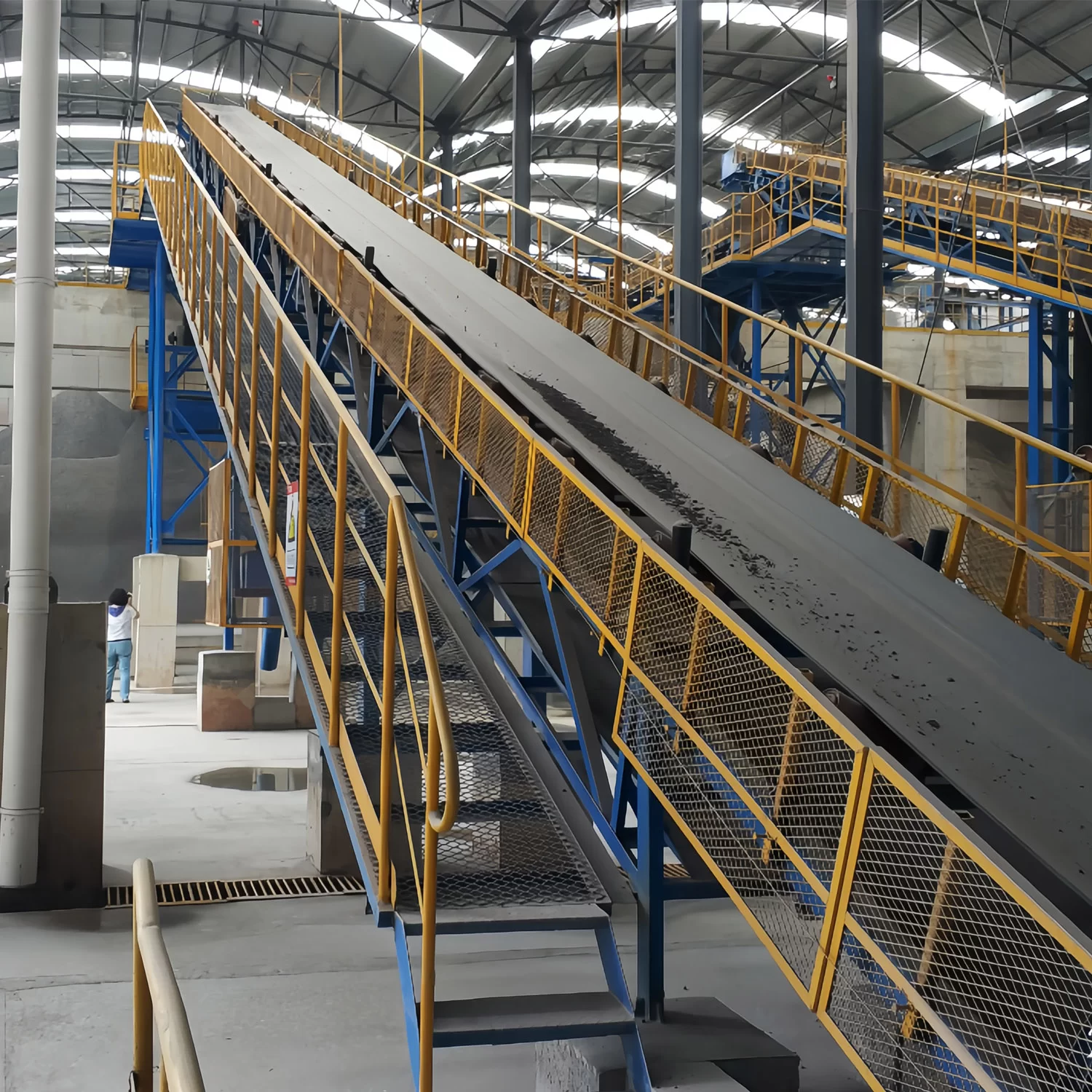
Regular maintenance is essential for ensuring optimal performance and longevity. This includes lubricating moving parts, inspecting conveyor belts, cleaning aggregate bins, and checking the calibration of weighing systems. Routine inspections of the mixer, cement silos, and control system are also crucial. It's recommended to establish a preventative maintenance schedule and follow the manufacturer’s guidelines. Batch Plant Pro offers comprehensive maintenance packages and support.
How easy is it to transport a foundation-free plant between job sites?
Foundation-free plants are designed for easy transport. Most models are built on a trailer chassis with wheels, allowing them to be towed by a standard truck tractor. Disassembly and reassembly are typically straightforward, requiring minimal specialized tools or expertise. However, it’s important to adhere to all applicable transportation regulations and ensure the plant is properly secured during transit. Detailed transportation guides are provided by Batch Plant Pro.
Are there any environmental considerations when using a mobile batching plant?
Environmental considerations are important. Dust control measures are essential, particularly when handling aggregates and cement. Containment systems should be in place to prevent spills and runoff. Proper waste management practices are also crucial. Choosing a plant with efficient water recycling systems can minimize water consumption. Batch Plant Pro offers environmentally conscious plant designs and solutions.
Hit enter to search or ESC to close


